
If you’re wondering what materials you can sublimate on, the answer isn’t as simple as “anything.” Before choosing a fabric, review our guide to sublimation on rayon for compatibility limits and heat-setting tips.
Sublimation printing only works on specific surfaces mainly polyester or polymer-coated materials. Using the wrong material often leads to faded colors, poor transfer, or completely failed prints. If you are considering a film-based workaround, see our guide to using DTF film with sublimation ink.
In this guide, you’ll learn exactly which materials work best, which ones need coatings, and which ones to avoid so you can get consistent, high-quality results every time.
What Materials Can You Sublimate On? (Quick Answer)
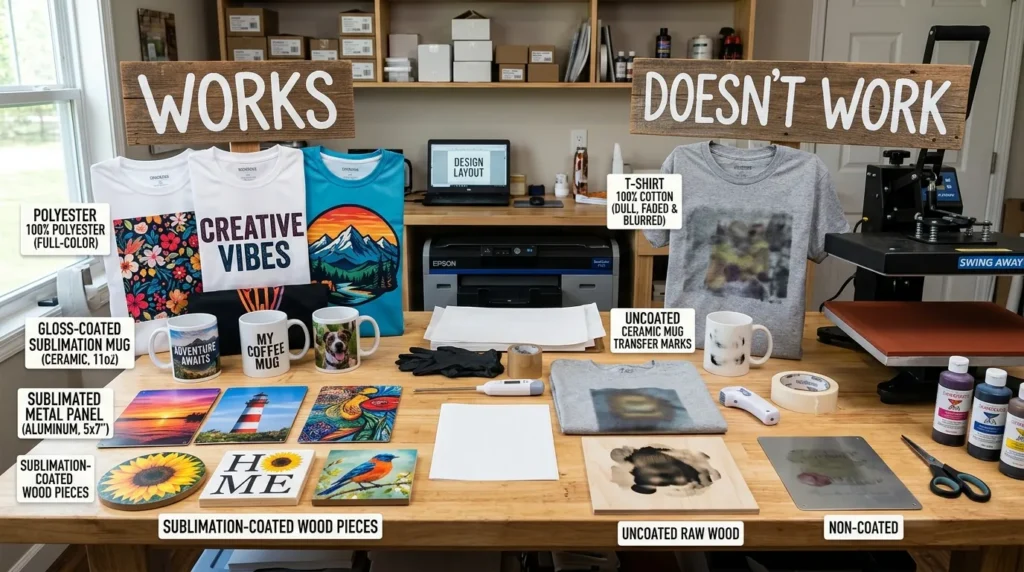
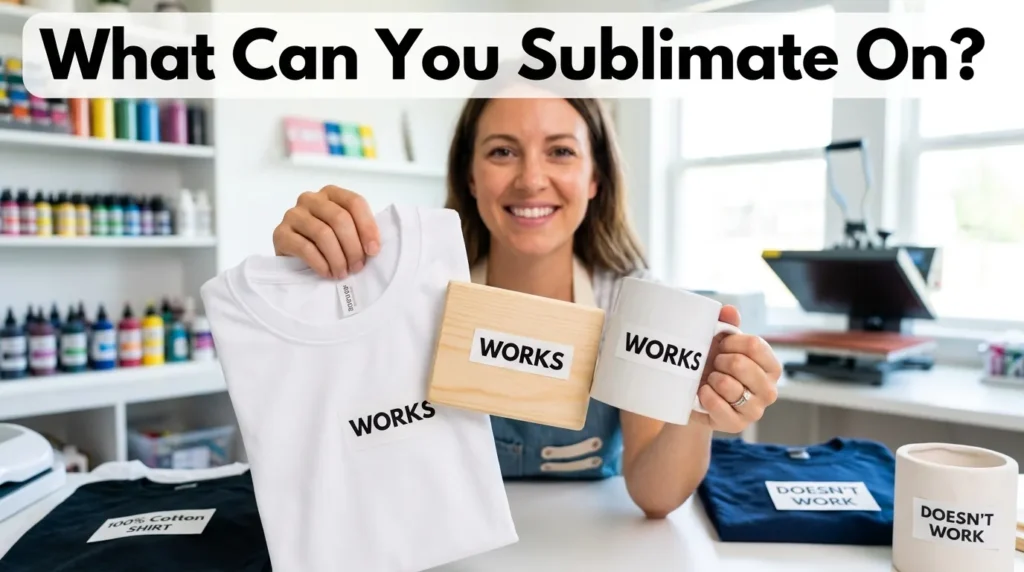
You can sublimate on polyester fabrics and polymer-coated surfaces like coated metal, glass, ceramics, and treated wood. Materials like silicone, plastic, and PVC require special coatings or alternative methods.
Complete List of Sublimation Materials
✔️ Best Materials for Sublimation (Direct Printing)
These materials give the most reliable and vibrant results:
- Polyester fabric (100% or high blends)
- Polymer-coated metal (aluminum panels)
- Coated ceramics (mugs, plates)
- Sublimation-ready blanks
These surfaces allow sublimation ink to bond properly during heat transfer, resulting in sharp and durable prints.
⚠️ Materials That Need Coating
These materials can work, but only with proper preparation:
- Wood (with polycrylic or polyester coating)
- Glass (must be coated)
- Cotton (requires sublimation HTV or spray)
- Acrylic surfaces
Without coating, colors will appear faded or won’t transfer correctly.
❌ Materials That Are Difficult or Not Recommended
These materials are challenging due to heat sensitivity or lack of bonding:
- Silicone
- Raw plastic
- PVC
- Polypropylene
You can still work with them using alternative methods, but results vary.
Why Some Materials Work for Sublimation
Sublimation printing relies on heat activation and dye bonding at a molecular level.
For this to happen, the surface must:
- Contain polyester or polymer coating
- Withstand high heat (350–400°F)
- Allow ink to bond instead of sitting on top
If a material doesn’t meet these conditions, the transfer will fail or fade quickly.
If you want a deeper understanding of how this process works, explore this sublimation printing guide.
How to Check if a Material is Sublimation-Compatible
Before printing, use this quick checklist:
- Does it contain polyester or a coating?
- Can it handle high heat without melting?
- Is it designed as a sublimation blank?
If the answer is no to any of these, you’ll need a workaround like coatings or transfer films.
Can You Sublimate on Silicone?
Short answer: No, not directly silicone requires coatings or transfer methods.
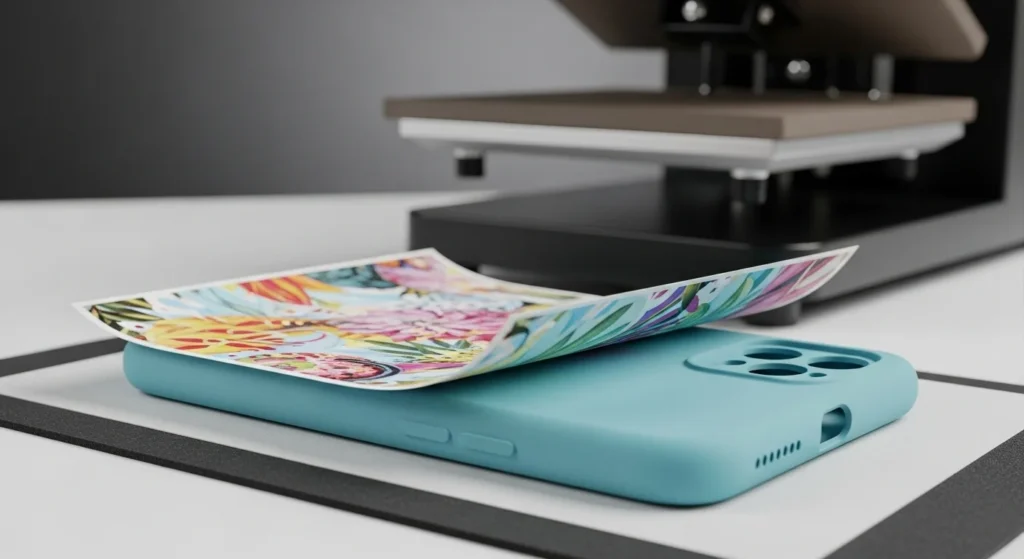
Silicone is flexible and heat-sensitive, which makes direct sublimation difficult. At high temperatures, it can warp, bubble, or distort.
Common Issues:
- Surface softening during pressing
- Uneven heat absorption
- Faded or patchy prints
Workarounds:
- Apply sublimation coating spray
- Use heat-transfer film
- Lower heat with longer pressing time
Silicone works best for experimental projects like watch bands, but it’s not ideal for consistent production.
Can You Sublimate on Plastic?
Short answer: Only if the plastic is coated or specially designed for sublimation.
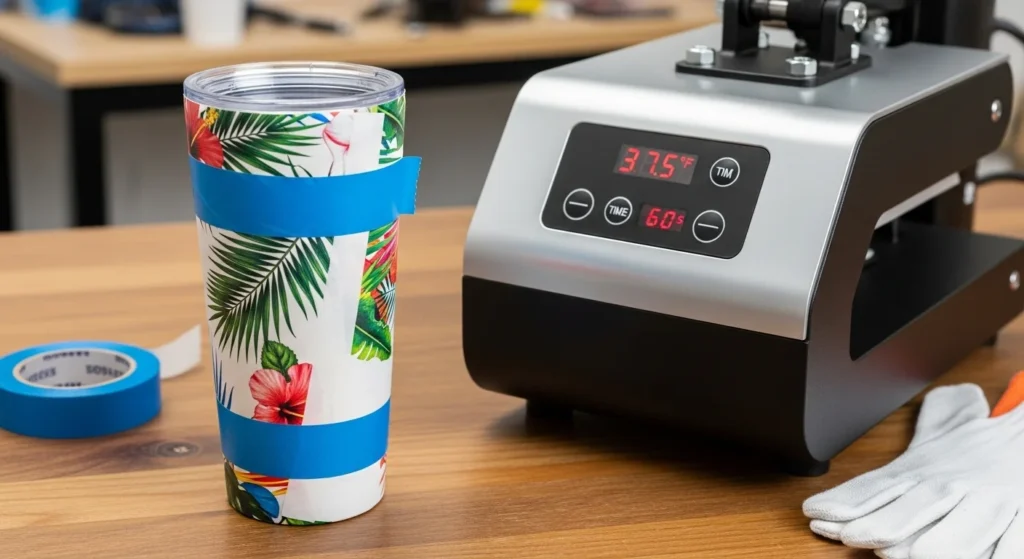
Most plastics melt or deform under high heat. That’s why sublimation-ready plastic items come with a polymer coating.
Best Practices:
- Use coated tumblers and bottles
- Apply shrink wraps for even pressure
- Avoid raw plastic surfaces
For a deeper breakdown, see this guide on sublimation on plastic.
Sublimation on Fabric
Fabric is the most reliable material category for sublimation.
Polyester (Best Option)
- Produces vibrant, long-lasting prints
- Ideal for shirts, sportswear, and apparel
Cotton (Needs Help)
- Requires sublimation HTV or coating
- Results vary depending on method
Blends
- 65%+ polyester works well
- 50/50 blends appear faded
If you’re unsure which fabric to use, this polyester sublimation guide explains it clearly.
Sublimation on Polypropylene
Short answer: Not ideal requires coating or transfer films.
Polypropylene warps under heat and doesn’t bond with sublimation ink.
Workarounds:
- Polyester spray coating
- Sublimation transfer films
- Adhesive vinyl overlays
Even with these methods, durability is limited.
Can You Sublimate on Polycrylic?
Short answer: Yes, polycrylic can act as a sublimation coating.
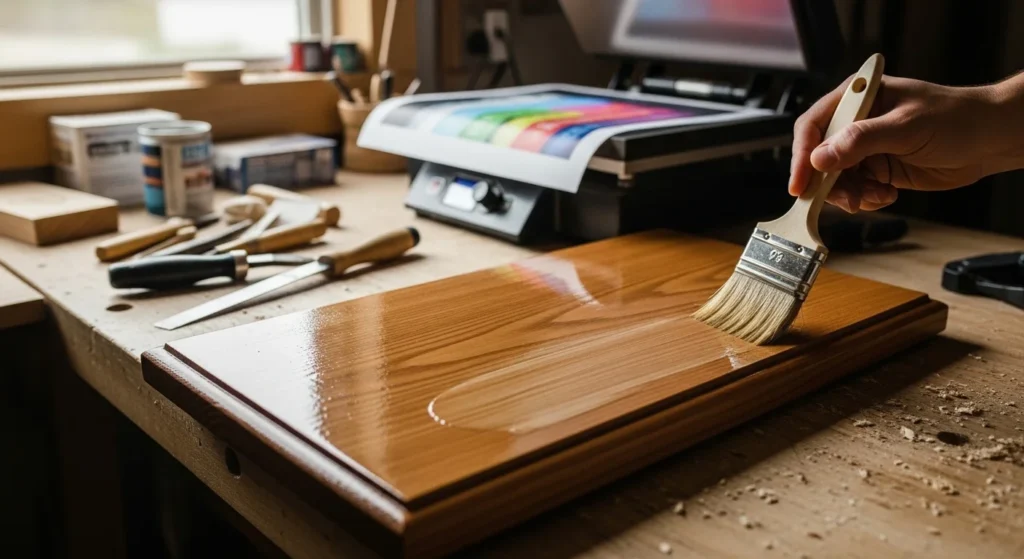
Polycrylic creates a smooth, polymer-like surface that allows sublimation ink to bond.
Best Practices:
- Apply 2–3 thin coats
- Let each coat fully dry
- Sand lightly between coats
This method is popular for DIY sublimation on wood and crafts.
Can You Sublimate on Wood?
Short answer: Yes, but only with coating or pre-treated blanks.
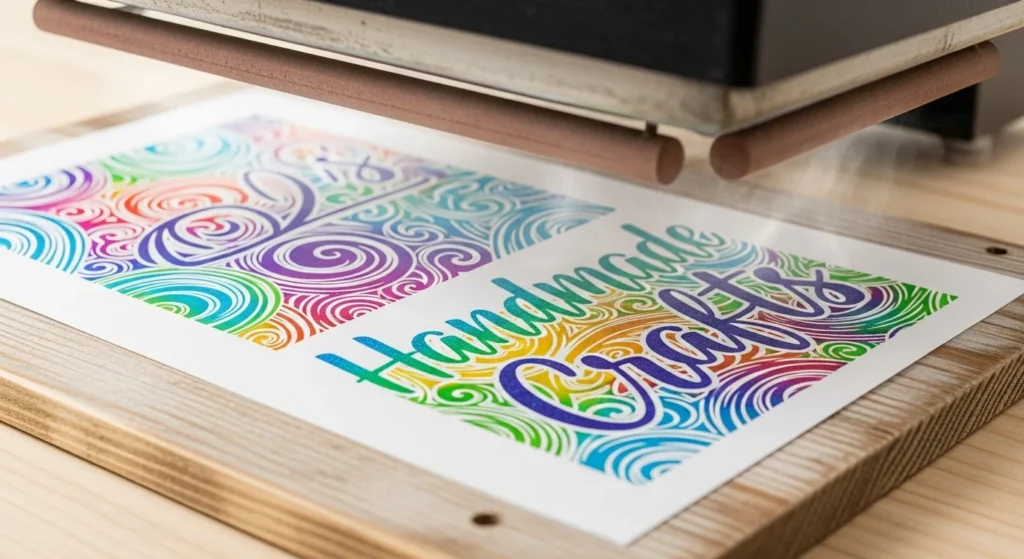
Bare wood absorbs ink unevenly, resulting in dull prints.
Best Option:
- Use coated wood blanks
- Apply polycrylic before pressing
Wood is commonly used for:
- Photo panels
- Signs and décor
- Personalized gifts
Can You Sublimate on Glass?
Short answer: Only if the glass is coated.
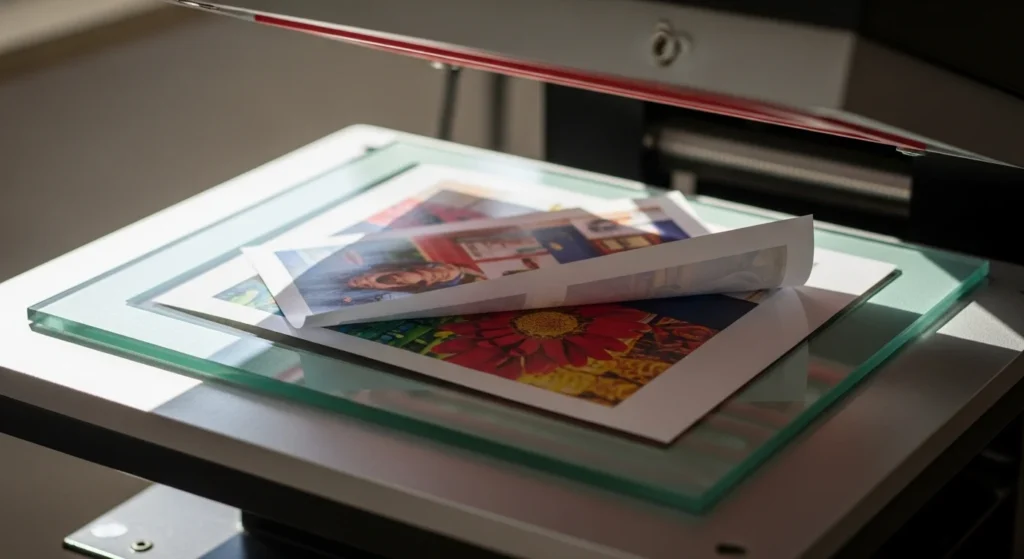
Glass doesn’t absorb sublimation ink naturally.
Best Approach:
- Use pre-coated glass blanks
- Apply sublimation spray for DIY
Flat glass surfaces work better than curved ones.
Can You Sublimate on Metal?
Short answer: Yes, but only on coated metal.
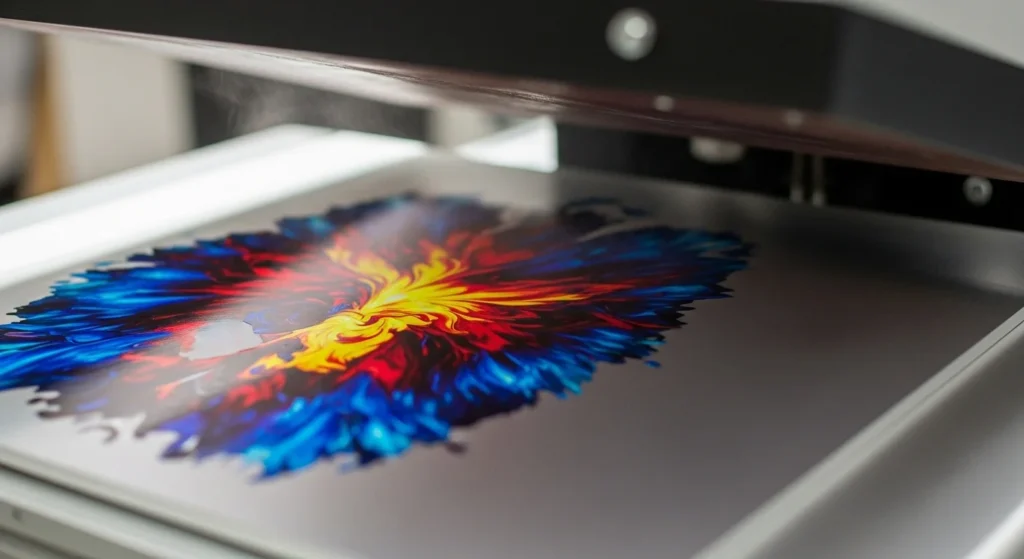
Polymer-coated aluminum is one of the best sublimation surfaces.
Benefits:
- High durability
- Vibrant colors
- Professional finish
Uncoated metal will not hold the print.
Can You Sublimate on PVC?
Short answer: No, not safely without coating.
PVC softens at low temperatures and can release harmful fumes.
Safer Alternatives:
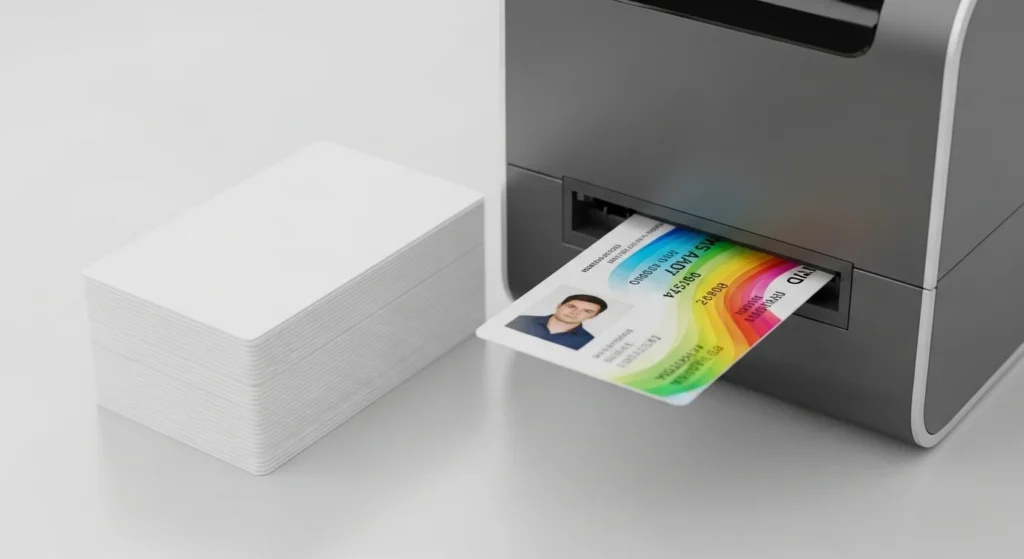
- Coated PVC cards
- Transfer films
- Acrylic or coated aluminum
Avoid using raw PVC in sublimation projects.
Common Mistakes When Choosing Sublimation Materials
Many beginners run into problems because of material selection.
Avoid these mistakes:
- Using cotton without coating
- Ignoring heat resistance
- Sublimating on raw plastic
- Skipping coating cure time
- Choosing low-polyester blends
If your prints are coming out dull or uneven, follow this sublimation troubleshooting guide.
How to Choose the Right Material for Sublimation
To get consistent results:
- Choose polyester or coated blanks
- Match material with your heat press settings
- Test small samples before full production
- Invest in quality blanks for durability
For a full breakdown, explore this sublimation materials guide.
Frequently Asked Questions
Can I sublimate on cotton?
No, not directly. You need sublimation HTV or a coating to make it work.
Do I need special blanks for sublimation?
Yes, sublimation blanks are coated to allow proper ink bonding.
Can I sublimate on dark materials?
Not directly. Sublimation ink is transparent and works best on light-colored surfaces. For related planning, see Can You Sublimate on Microfiber? What Actually Works.
What temperature works best for sublimation?
Most materials require 350–400°F, depending on the substrate.
Final Thoughts
Sublimation printing works best when you use the right materials.
Polyester and polymer-coated surfaces give the most reliable results, while materials like silicone and plastic require extra preparation. Understanding these differences helps you avoid wasted time, materials, and frustration.
Start with proven blanks, test your settings, and expand into advanced materials once you’re comfortable with the process.
Professional Sublimation Printing & Wholesale Custom Products
Looking for high-quality sublimation printing for apparel, drinkware, and promotional items? Subli Genius Print delivers vibrant color, sharp detail, and long-lasting results for businesses, brands, and resellers across the U.S.