Sublimation Material Guide:

If your sublimation prints are fading, washing out, or not transferring at all, the problem is almost always the material. For a fabric-specific comparison, see our guide to sublimation on rayon.
Many beginners assume sublimation works on anything. It doesn’t. Sublimation printing only bonds with specific surfaces, and using the wrong substrate wastes time, ink, and blanks.
In this guide, you’ll learn exactly which materials work for sublimation, why they work, and how to choose the right substrate for consistent, professional results.
What Materials Work for Sublimation?
Sublimation works only on polyester-based materials or polymer-coated surfaces because the ink bonds at a molecular level.
The best materials include:
- Polyester fabrics (65% or higher)
- Polymer-coated mugs and ceramics
- Coated aluminum panels
- Polymer-coated wood and plastic blanks
If a material doesn’t contain polyester or a sublimation coating, the ink will not bond and will either fade or wipe off.
Why Sublimation Only Works on Certain Materials
Sublimation printing uses heat to turn ink into gas. That gas needs something to bond with.
Polyester Bonding
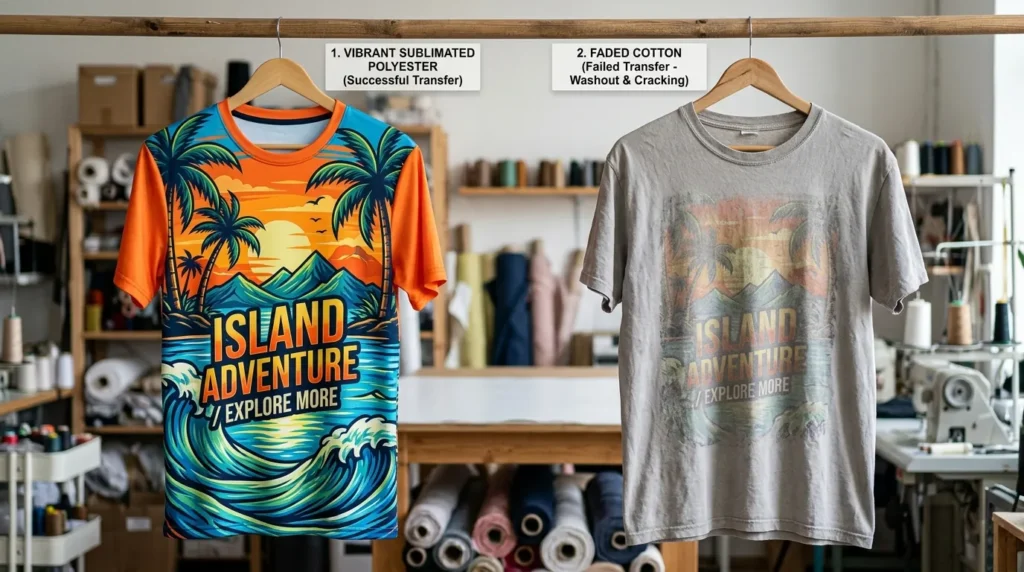
Polyester fibers open under heat and allow the dye to embed permanently. That’s why:
- Colors look vibrant
- Prints don’t crack or peel
- Designs last through washing
Polymer Coating on Hard Surfaces
Hard materials like mugs or metal need a polymer coating to mimic polyester behavior.
Without this coating:
- The ink sits on the surface
- It fades quickly
- It may not transfer at all
If you want a deeper understanding of the process, this sublimation printing guide explains how the bonding works step by step.
Best Materials for Sublimation Printing
Polyester Fabrics
Polyester is the most reliable option for sublimation printing.
- 100% polyester = best results
- 65–80% blends = acceptable
- Below 60% = faded output
Common products:
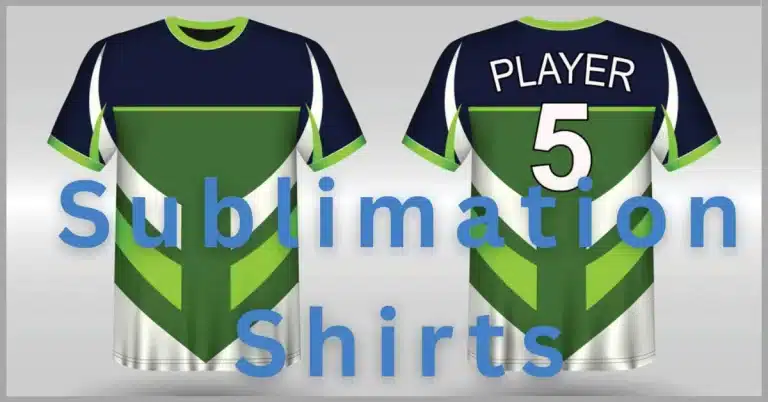
- T-shirts
- Sportswear
- Hoodies
If you’re working with apparel, choosing the right fabric matters. This guide on best hoodies for sublimation helps you avoid common mistakes with blends and fabric weight.
Polymer-Coated Hard Surfaces
These include:
- Sublimation mugs
- Phone cases
- Keychains
- Coated wood signs
Always confirm the product is labeled “sublimation-ready.” Regular items won’t work.
To explore more compatible blanks, check this sublimation blanks and substrates guide.
Metal Panels (Aluminum)
Coated aluminum panels produce:
- Sharp image detail
- High durability
- Scratch resistance
These are commonly used for:
- Photo prints
- Signage
- Wall art
Sublimation Ceramics
Ceramic items like mugs and tiles must have a polymer coating.
Without it:
- The print will appear dull
- It may wash off completely
Materials That Do NOT Work for Sublimation
This is where most beginners make mistakes.
Sublimation does NOT work on:
- 100% cotton fabrics
- Uncoated ceramics
- Raw wood
- Uncoated metal
- Glass without coating
These materials lack polyester or coating, so the ink has nothing to bond with.
If you’re experimenting with unusual surfaces, you may wonder about plastics. Here’s a detailed breakdown of can you sublimate on corrugated plastic and what actually works.
How to Choose the Right Sublimation Substrate
Choosing the right material directly affects your print quality.
1. Check Polyester Content or Coating
Always verify:
- Polyester percentage (for fabrics)
- Polymer coating (for hard goods)
2. Consider Color and Surface
- White or light surfaces = best color results
- Smooth surfaces = sharper prints
- Textured surfaces = reduced detail
3. Evaluate Heat Resistance
Your substrate must handle:
- 375–400°F
- Firm pressure
If it warps or melts, it’s not suitable.
Common Sublimation Material Problems (And Fixes)
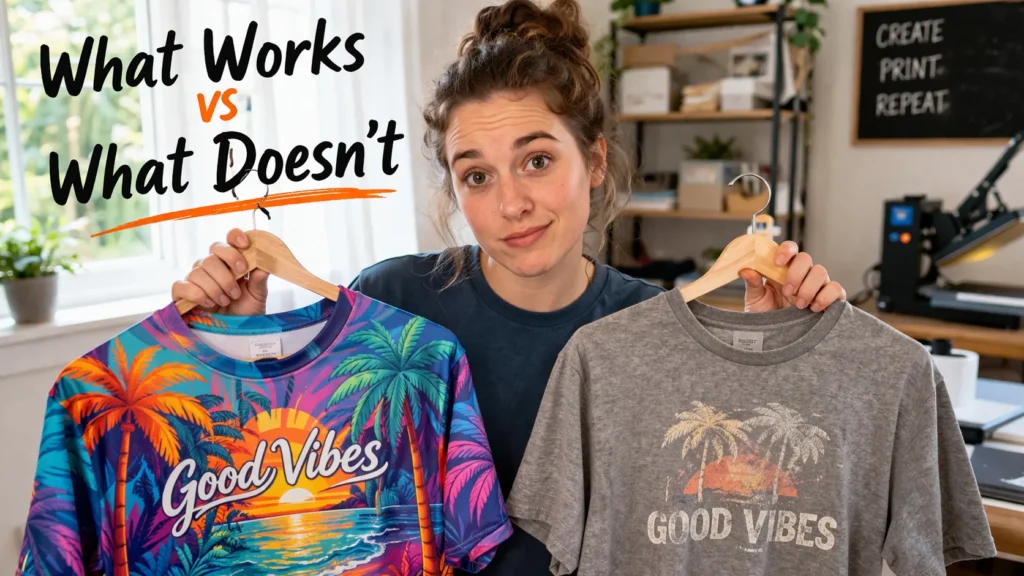
Faded or Dull Prints
Why it happens:
- Low polyester content
- Poor coating quality
Fix:
Use high-polyester materials or verified sublimation blanks.
For deeper troubleshooting, follow this fixing sublimation print issues resource.
Patchy Transfers
Why it happens:
- Uneven coating
- Pressure inconsistency
Fix:
- Use firm, even pressure
- Check blank quality
Print Washes Off
Why it happens:
- No polymer coating
Fix:
Only use sublimation-certified products.
Quick Sublimation Material Cheat Sheet
| Material | Works? | Notes |
|---|---|---|
| Polyester Fabric | ✅ Yes | Best results |
| Polyester Blend | ⚠️ Partial | Less vibrant |
| Cotton | ❌ No | Ink won’t bond |
| Coated Mug | ✅ Yes | Durable prints |
| Uncoated Mug | ❌ No | Washes off |
| Aluminum Panel | ✅ Yes | Sharp detail |
| Raw Wood | ❌ No | Needs coating |
How to Test a Sublimation Blank Before Production
Before printing in bulk, test your material:
- Confirm it’s labeled for sublimation
- Check polyester content or coating
- Pre-press to remove moisture
- Test a small design
- Evaluate color and adhesion
If it fails any of these, don’t use it for production.
Frequently Asked Questions
Can I sublimate on cotton?
No, cotton does not bond with sublimation ink unless treated with a special coating.
Do I need special blanks for sublimation?
Yes, you need polyester-based or polymer-coated blanks for proper ink bonding.
What’s the best material for beginners?
Polyester shirts and sublimation mugs are the easiest and most reliable starting points.
Can I sublimate on plastic?
Only if the plastic has a polymer coating designed for sublimation.