
Sublimation in Psychology: Turn Negative Impulses Into Positive Action

We all experience impulses like anger, jealousy, or intense desire. The issue isn’t having them, it’s how we handle them.
In psychology, sublimation explains how people can turn those difficult impulses into constructive action. Instead of denying or suppressing emotions, sublimation redirects that energy into something productive.
What Is Sublimation in Psychology?
Sublimation is a defense mechanism in which socially unacceptable impulses are transformed into positive, socially acceptable behaviors.
First described in psychoanalytic theory, it explains how instinctual drives such as aggression or desire can be redirected into productive activities rather than expressed destructively.
In short, sublimation turns negative energy into constructive action.
Why It’s Considered a Defense Mechanism
Defense mechanisms protect the mind from anxiety or internal conflict.
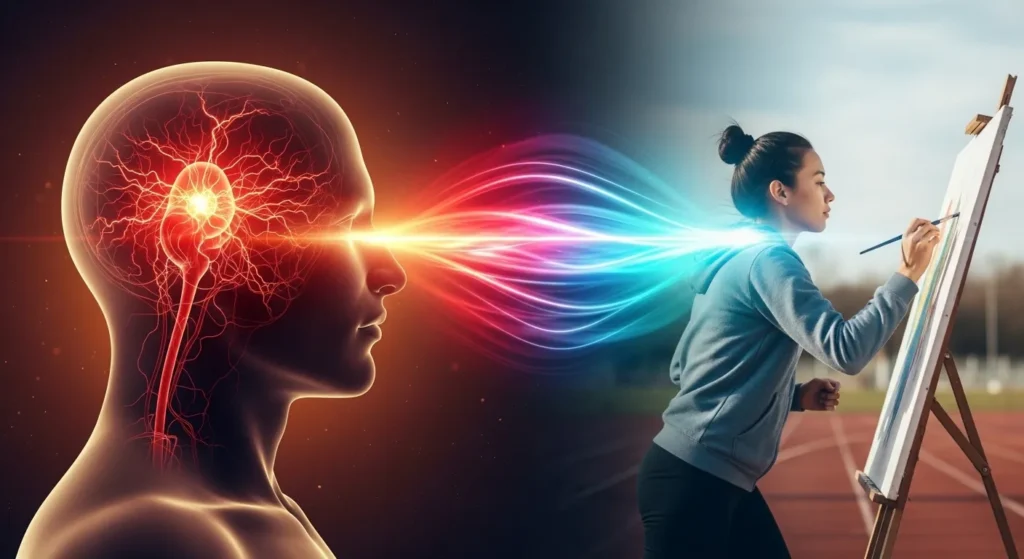
Sublimation allows the ego to manage powerful impulses in a way that aligns with social and moral standards. Instead of repressing or acting out the impulse, it channels it safely.
Because it resolves tension while producing positive outcomes, sublimation is considered a mature and adaptive defense mechanism.
A Simple Everyday Example
Someone feels intense anger after a stressful day at work.
Rather than arguing or bottling it up, they go for a long run or train at the gym. The aggressive energy is released in a healthy way.
That shift from destructive impulse to productive behavior is sublimation.
Origin of the Concept
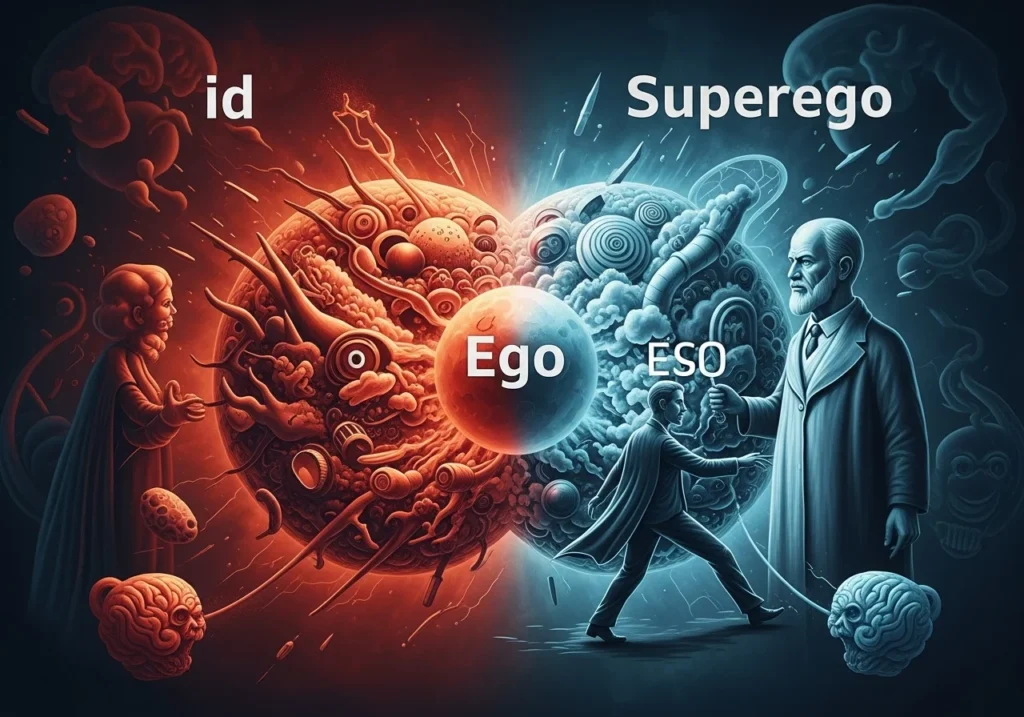
Sigmund Freud introduced sublimation within his psychoanalytic theory. He proposed that the human psyche is made up of three components: the id, ego, and superego. The id harbors primal urges, while the superego imposes moral standards.
The ego serves as the intermediary between these forces, and sublimation is utilized as a method to turn prohibited desires into actions that comply with social norms.

Key Features:
The ability of the mind to adapt and find constructive outlets for deep-seated impulses is highlighted by understanding sublimation.
- Transformation of Impulses: Redirecting unacceptable desires into positive activities.
- Social Acceptance: Engaging in behaviors that are valued by society.
- Long-Term Adaptation: Facilitating personal growth and cultural contributions.
4 Types of Sublimation in Psychology
Sublimation manifests in distinct ways depending on the impulse and outlet:
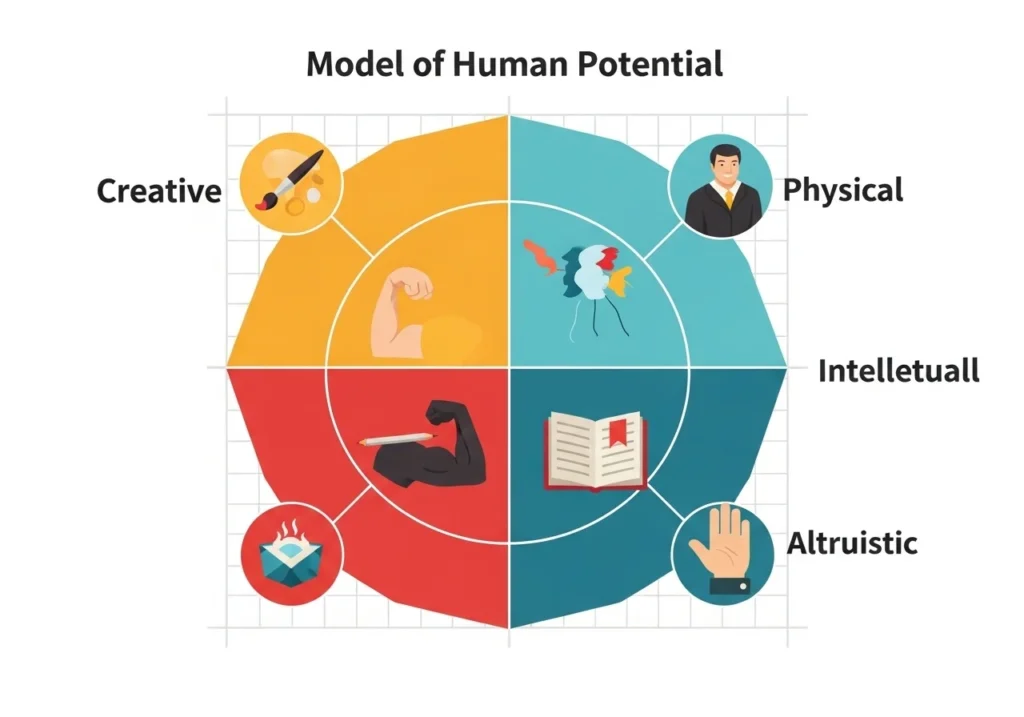
- Creative Sublimation
- Impulse: Emotional turmoil, sexual energy, or anxiety.
- Outlet: Painting, writing, composing music.
- Example: Frida Kahlo channeling physical pain into surrealist art.
- Physical Sublimation
- Impulse: Aggression, restlessness.
- Outlet: Boxing, running, woodworking.
- Example: A combat veteran becoming a martial arts instructor.
- Intellectual Sublimation
- Impulse: Obsessive thoughts, perfectionism.
- Outlet: Research, coding, philosophical debates.
- Example: A detail-obsessed lawyer excelling in forensic analysis.
- Altruistic Sublimation
- Impulse: Grief, guilt, loneliness.
- Outlet: Volunteering, mentoring, activism.
- Example: A bereaved parent starting a support group.
Hybrid Case:
A perfectionist (intellectual) becomes a master carpenter (physical), merging two sublimation types.
Freud’s Role in Defining Sublimation
Sigmund Freud‘s psychodynamic theory offers a framework for understanding human behavior through the interplay of three core components: the id, the ego, and the superego. These elements interact to shape our personalities and influence our actions.
Id, Ego, and Superego in Sublimation
The ego channeled the id’s unacceptable urges into behaviors that conform to the superego’s moral standards during sublimation, transforming potentially disruptive impulses into positive, constructive actions.

- Id: Represents innate, primal desires seeking immediate gratification, operating on the pleasure principle.
- Ego: Mediates between the id’s impulses and reality, functioning on the reality principle to find socially acceptable ways to satisfy desires.
- Superego: Embodies moral standards and ideals internalized from society and parents, guiding judgments about right and wrong.
Reaction Formation Explained:
A defense mechanism where you express the opposite of your true feelings:
- Example: Acting overly kind to someone you dislike.
- Key Difference from Sublimation:
- Reaction formation masks emotions (unhealthy).
- Sublimation repurposes them (healthy).
How Sublimation Works in the Brain
Sublimation, a defense mechanism where individuals channel unacceptable impulses into socially acceptable behaviors, involves intricate brain processes. Understanding these processes sheds light on how we transform internal drives into constructive actions.
1. Impulse Redirection and Dopamine Release
When we redirect impulses through sublimation, the brain’s reward system becomes active. This system involves dopamine, a neurotransmitter linked to pleasure and motivation.
Activities like engaging in creative arts or sports not only serve as outlets for these impulses but also trigger dopamine release, reinforcing the behavior. This release provides a sense of satisfaction, making the constructive activity more appealing and encouraging its repetition.

2. Neurobiology of Self-Control
These regions work together to suppress immediate, potentially harmful impulses, allowing for thoughtful decision-making and the adoption of behaviors that align with societal norms. Self-control relies heavily on specific brain regions responsible for regulating behavior and emotions. Key areas include:
- Prefrontal Cortex (PFC): Essential for decision-making and moderating social behavior.
- Orbitofrontal Cortex (OFC): Involved in evaluating rewards and punishments, aiding in assessing the consequences of actions.
- Anterior Cingulate Cortex (ACC): Plays a role in error detection and emotional regulation.

3. Connection to Behavior Patterns
By understanding the brain’s role in sublimation, we gain insight into how our internal drives shape our behaviors and how we can harness this knowledge to promote positive change. The brain’s ability to redirect impulses through sublimation influences behavior patterns in several ways:
- Learning and Habit Formation: Consistently engaging in sublimated activities strengthens neural pathways, making these behaviors more automatic over time.
- Emotional Regulation: Successfully channeling impulses can lead to better emotional control, reducing stress and enhancing overall well-being.
- Social Integration: Participating in socially acceptable activities fosters positive interactions, reinforcing a sense of belonging and acceptance.

Sublimation vs. Other Defense Mechanisms
Defense mechanisms are psychological strategies employed to cope with internal conflicts and external stressors. Among these, sublimation stands out for its adaptive qualities.
🛡️ Defense Mechanisms Compared
💡 Key Insight: While all defense mechanisms serve psychological protection, sublimation uniquely transforms energy into socially beneficial outcomes.
Displacement vs. Sublimation: Key Differences
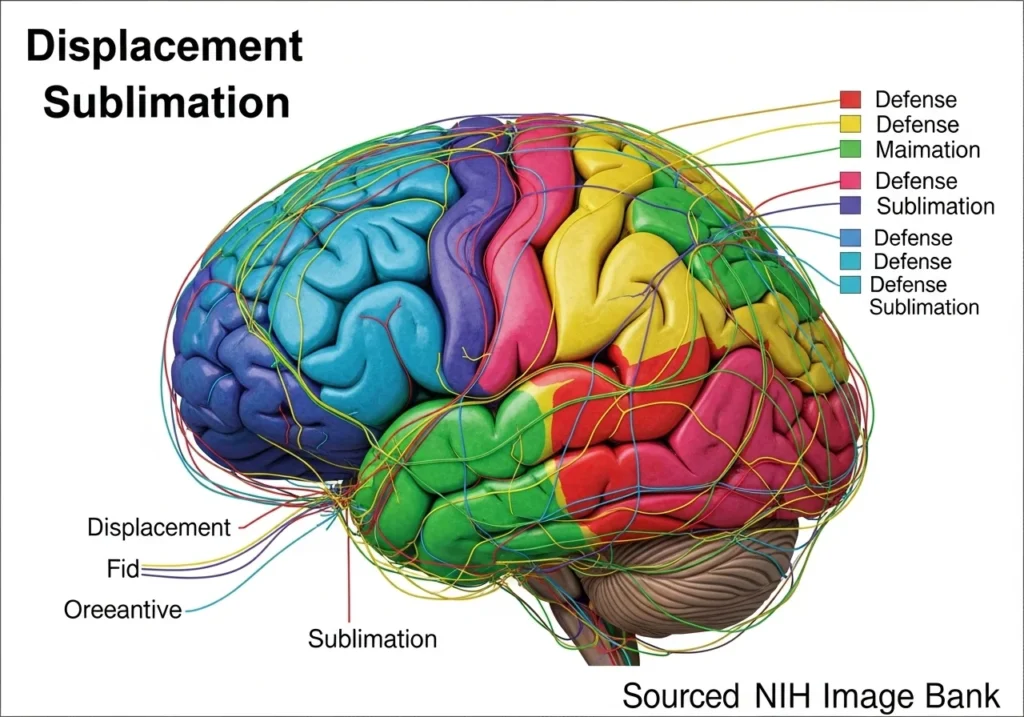
While both redirect emotions:
- Displacement: Shifts feelings onto a safer target (e.g., yelling at your spouse after a bad workday).
- Unconscious, often harmful.
- Sublimation: Transforms the emotion into a productive activity (e.g., working out post-anger).
- Adaptive, socially beneficial.
Example:
- Displacement: Kicking a chair when frustrated with your boss.
- Sublimation: Channeling frustration into a woodworking project.
Rationalization Psychology: When Excuses Replace Growth
Rationalization is a defense mechanism where we invent logical-but-false explanations for behaviors or feelings:
Key Characteristics:
- Creates “good reasons” for poor choices
- Protects self-esteem temporarily
- Prevents genuine self-reflection
Examples:
- “I only cheat on my diet because healthy food is expensive”
- “I failed the test because the teacher doesn’t like me”
How It Differs From Sublimation:
| Mechanism | Process | Outcome |
|---|---|---|
| Rationalization | Inventing excuses | Stagnation |
| Sublimation | Transforming energy | Growth |
Psychological Impact:
While sublimation channels energy productively, rationalization traps us in cycles of self-deception that hinder personal development.
Projection Psychology: Blaming Others for Your Traits
Projection attributes your unacceptable feelings to others:
- Example:
- Accusing your partner of flirting when you feel attracted to someone.
Why Sublimation Is Healthier:
- Projection distorts reality; sublimation aligns impulses with values.
Regression Psychology: Retreating to Childlike Behaviors
Under stress, people revert to earlier developmental stages:
- Examples:
- An adult throwing tantrums during arguments.
- A child sucking their thumb after a new sibling’s birth.
Sublimation as the Antidote:
- Regression is escapism; sublimation is proactive coping.
Fundamental Attribution Error: Why We Misjudge Others
This cognitive bias makes us:
- Blame personality for others’ mistakes (e.g., “They’re lazy”).
- Blame circumstances for our own (e.g., “I was tired”).
Link to Sublimation:
Understanding this error fosters empathy, creating space to sublimate judgment into curiosity (e.g., “What’s their story?”).
Repression vs. Sublimation:
| Aspect | Repression | Sublimation |
|---|---|---|
| Conscious? | Unconscious | Often unconscious |
| Outcome | Emotional buildup | Productive action |
| Health | Leads to anxiety | Promotes growth |
Freudian Insight: Repression fuels neuroses; sublimation fuels culture.
Common Examples of Sublimation in Everyday Life
Sublimation shows up in normal, everyday situations. It’s not dramatic or rare. It’s simply the process of redirecting strong emotions into something useful.
Here are a few clear, modern examples.
Anger Redirected into Sports or Fitness
Instead of exploding or holding resentment, someone channels anger into physical movement.
How it works:
- Trigger: Conflict at work or in a relationship
- Emotion: Anger, frustration
- Outlet: Gym sessions, boxing, running, intense workouts
- Result: Emotional release + improved health
Physical activity provides a controlled way to discharge aggressive energy. The emotion isn’t denied, it’s redirected.
Emotional Pain Transformed into Art
Strong emotions often fuel creativity.
Common pattern:
- Experience loss, heartbreak, or disappointment
- Feel sadness or internal tension
- Channel it into writing, music, painting, or design
- Produce meaningful creative work
Creative expression gives structure to overwhelming feelings. Instead of being stuck in pain, the person creates something tangible from it.
Competitive Drive Channeled into Career Success
Some people have intense ambition or a need to win. That energy can become unhealthy if it turns into rivalry or resentment.
Through sublimation, it becomes focus and discipline.
| Impulse | Healthy Outlet | Outcome |
|---|---|---|
| Need to prove oneself | Skill-building, certifications | Career growth |
| Competitive tension | Performance goals | Measurable progress |
| Restlessness | Structured projects | Increased productivity |
The same drive that could create conflict instead builds achievement.
Why Sublimation Matters in Modern Psychology
Sublimation isn’t just a classic Freudian idea sitting in textbooks. Modern psychology still recognizes it as one of the healthiest ways people manage strong emotions.
Instead of denying difficult feelings, sublimation helps transform them into motivation, creativity, discipline, or service. That’s why it continues to matter in both personal development and therapeutic settings.
For a broader look at how sublimation supports mental health, this overview from Grouport Therapy offers additional insight:
Role in Personal Growth
Sublimation supports personal growth because it converts emotional tension into forward movement.
When frustration becomes drive, or grief becomes creative expression, the individual doesn’t just cope, they evolve. Over time, this pattern strengthens emotional regulation, resilience, and self-awareness.
Rather than being controlled by impulses, a person learns to work with them. That shift builds confidence and long-term psychological stability.
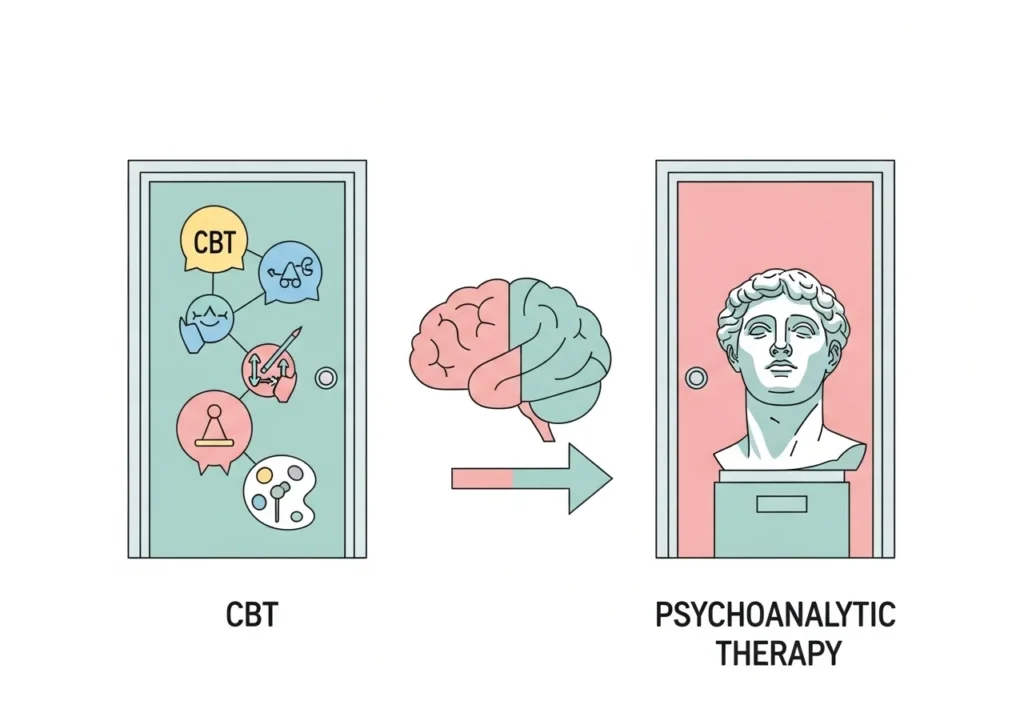
Role in Therapy and Emotional Development
In therapy, sublimation is often viewed as a mature coping strategy.
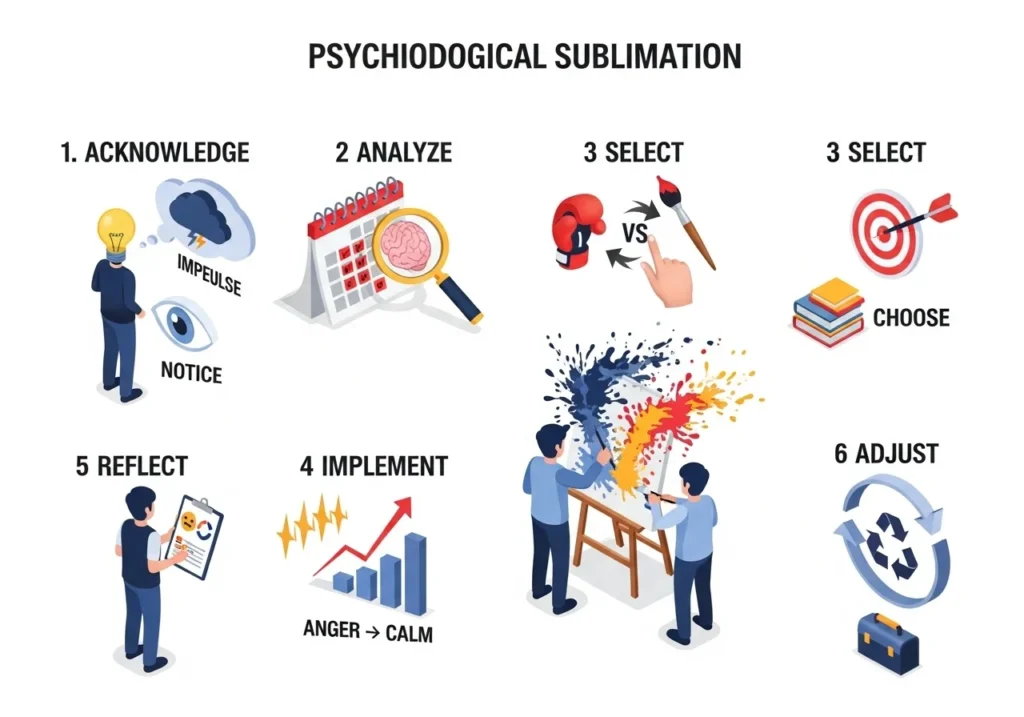
Therapists may help clients recognize strong impulses and guide them toward constructive outlets, such as physical activity, creative work, or meaningful goals. The aim isn’t to ignore emotions, but to channel them safely and productively.
As emotional awareness improves, sublimation becomes less automatic and more intentional. That process supports healthier development and more balanced emotional responses over time.
Sublimation in Culture and Society
Sublimation doesn’t just shape individual behavior, it has influenced culture throughout history.
In religious traditions, practices like celibacy or fasting redirect personal desires into spiritual discipline and service. Historically, artists and reformers have transformed inner conflict or injustice into creative and social contributions.
From art and athletics to activism and therapy, sublimation shows how powerful impulses can be redirected into work that benefits society.








3 Comments