How to Choose the Right Sublimation Blank for Your First Project

Choosing the right sublimation blank makes your first project much easier and far less frustrating.
Simple, beginner-friendly blanks help you learn heat settings, alignment, and transfer techniques without fighting material compatibility problems at the same time.
Start with reliable polyester or polymer-coated blanks, practice on affordable materials first, and focus on consistency. Once your workflow becomes comfortable, expanding into more advanced sublimation projects becomes much easier.
What Is a Sublimation Blank?
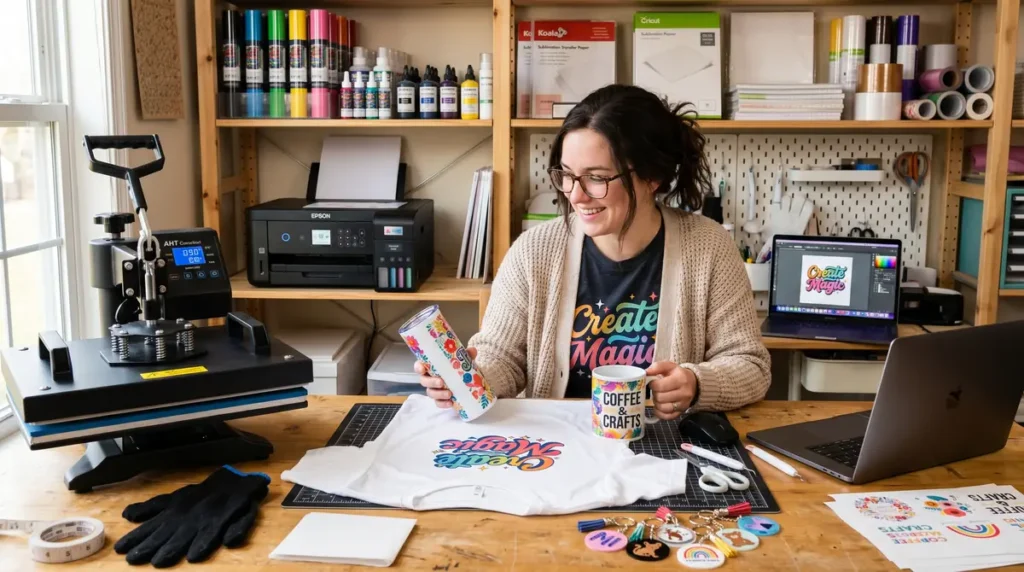
A sublimation blank is a product specially designed to accept sublimation ink during the heat transfer process.
Unlike regular materials, sublimation blanks either:
- contain high polyester content
- or include a polymer coating that allows sublimation dye to bond properly
Without the correct surface, sublimation ink cannot permanently transfer into the material.
Why Sublimation Blanks Need Special Coatings
Sublimation ink becomes a gas when heated. That gas needs a compatible surface to bond with permanently.
For hard goods like:
- mugs
- coasters
- tumblers
- metal panels
- keychains
the item usually needs a polymer coating.
For fabrics, polyester works best because sublimation dye bonds directly into polyester fibers.
You can learn more about compatible materials in this sublimation materials guide.
The Difference Between Regular Materials and Sublimation-Compatible Blanks
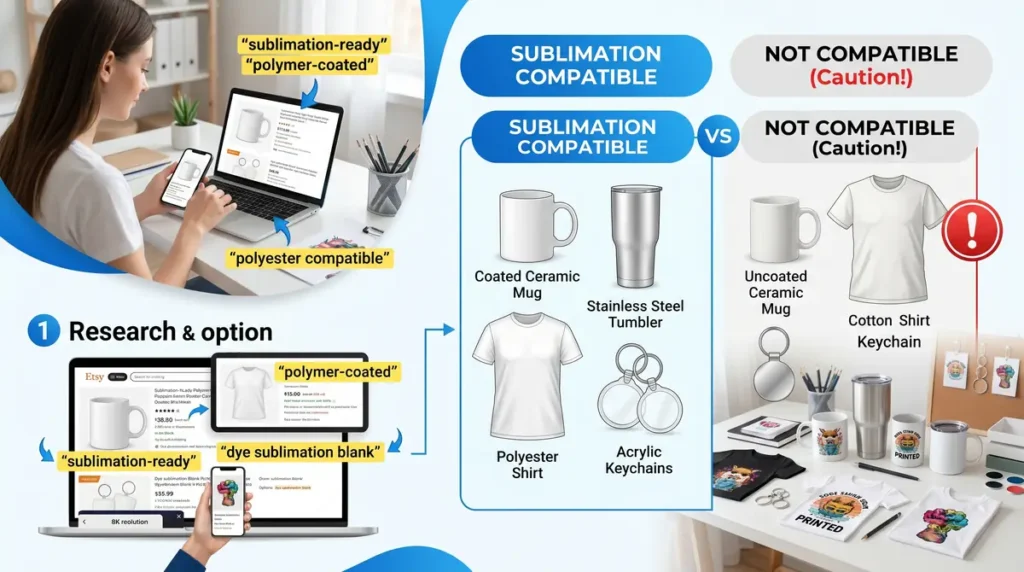
A common beginner mistake is assuming any shirt, mug, or tumbler will work for sublimation.
Regular cotton shirts, untreated ceramic mugs, and uncoated surfaces usually fail because sublimation dye cannot bond correctly.
Sublimation-compatible blanks are specifically made for:
- heat transfer sublimation
- color retention
- permanent dye bonding
- vibrant image transfers
What Makes a Good First Sublimation Blank?
Your first blank should make the process easier, not harder.
The best beginner blanks are:
- affordable
- easy to press
- forgiving with heat settings
- consistent during transfers
Easy-to-Press Materials
Flat and simple surfaces are easier for beginners to manage.
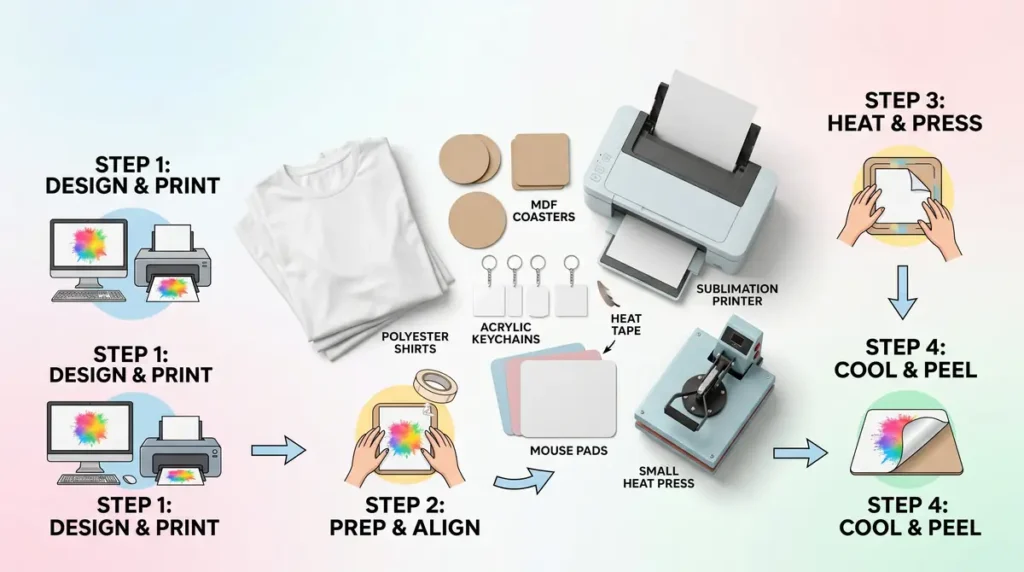
Good beginner choices include:
- polyester shirts
- MDF coasters
- flat keychains
- mouse pads
These materials help you focus on learning the sublimation workflow without dealing with complex pressure issues.
Blanks That Produce Consistent Results
Reliable blanks reduce troubleshooting problems.
Cheap low-quality blanks often create:
- faded prints
- uneven transfers
- coating defects
- inconsistent colors
Many beginners think their printer or ICC profile is broken when the real issue is poor blank quality.
If you later experience print quality issues, this sublimation troubleshooting guide can help identify the problem.
Why Flat Surfaces Are Easier for Beginners
Flat surfaces provide:
- more even pressure
- better heat distribution
- easier paper alignment
- fewer ghosting problems
Curved products like tumblers and mugs are slightly less forgiving because pressure consistency matters more.
Best Sublimation Blanks for Beginners
Not every sublimation blank is equally beginner-friendly.
Some products are much easier to learn with and produce better first results.
Polyester T-Shirts
Polyester shirts are one of the easiest sublimation projects for beginners.
For best results:
- choose white or light-colored shirts
- use high polyester content
- avoid dark fabrics
Most sublimation setups work best with:
- 65% polyester minimum
- 100% polyester for maximum vibrancy
If you’re unsure which fabrics work best, review these best fabrics for sublimation.
Sublimation Mugs
Mugs are another popular beginner project because they:
- sell well
- create vibrant transfers
- work great for gifts
However, mugs require:
- a mug press
- or a sublimation oven setup
Beginners usually get cleaner results using a dedicated mug press because pressure stays more consistent.
MDF Coasters and Keychains
MDF blanks are excellent practice materials.
They are:
- inexpensive
- beginner-friendly
- easy to align
- fast to press
Many beginners improve quickly by practicing on small hard blanks before moving into larger projects.
Tumblers for Intermediate Beginners
Tumblers can produce amazing sublimation results, but they are slightly harder for first-time users.
Common tumbler issues include:
- seam lines
- uneven pressure
- ghosting
- blurry edges
Tumblers become much easier after you understand:
- heat consistency
- paper alignment
- pressure control
Sublimation Blanks Beginners Should Avoid First
Some blanks create unnecessary frustration for new users.
Dark Fabrics
Dark shirts do not work well with standard sublimation printing because sublimation ink has no white base layer.
For most projects, light-colored polyester blanks work best.
Cotton Without Proper Preparation
Standard sublimation does not bond naturally with cotton.
While special sprays and sublimation HTV methods exist, beginners usually get much cleaner results using polyester first.
Uneven or Curved Surfaces
Strong curves and uneven textures make pressure harder to control.
Beginners may notice:
- faded sections
- blurry areas
- inconsistent transfers
Flat blanks are much easier while learning.
Cheap Low-Quality Blanks
Low-quality blanks often use inconsistent coatings.
A common sublimation mistake is buying the cheapest blanks online without checking:
- reviews
- coating quality
- heat recommendations
- supplier reputation
How to Match the Blank to Your First Project Goal
Different blanks work better depending on what you want to create.
Gifts and Personalized Items
Good beginner gift blanks include:
- mugs
- coasters
- ornaments
- keychains
These projects are affordable and beginner-friendly.
Etsy and Small Business Products
If your goal is selling products, beginner-friendly items include:
- polyester shirts
- tumblers
- tote bags
- mugs
You can also explore these best sublimation blanks for Etsy sellers.
Practice Projects for Learning
Practice blanks should be:
- inexpensive
- easy to replace
- forgiving during transfers
MDF products and polyester fabric squares work well for testing settings.
Home Decor and Craft Projects
Once you gain confidence, you can expand into:
- photo panels
- decorative signs
- pillows
- wall decor
Many beginners eventually branch into more creative sublimation craft ideas.
Common Sublimation Blank Mistakes Beginners Make
Most beginner problems come from blank selection mistakes rather than printer problems.
Choosing the Wrong Material
Sublimation works best on:
- polyester fabrics
- polymer-coated hard goods
Untreated materials usually produce poor transfers.
Ignoring Heat Press Settings
Even high-quality blanks fail with incorrect:
- temperature
- pressure
- pressing time
Proper heat consistency matters more than many beginners realize.
You can review recommended heat press sublimation settings for different materials.
Buying Random Cheap Blanks Online
Very cheap blanks often create:
- faded colors
- weak coatings
- inconsistent surfaces
Testing small sample packs first usually saves money long term.
Using Dark or 100% Cotton Fabrics
Dark cotton shirts are one of the most common beginner frustrations.
For cleaner transfers:
- stick with light colors
- prioritize polyester
- keep your workflow simple initially
How to Check If a Sublimation Blank Is Compatible
Beginners should always verify blank compatibility before purchasing.
Reading Product Descriptions Correctly
Look for phrases like:
- sublimation-ready
- polymer-coated
- polyester compatible
- dye sublimation blank
If the description never mentions sublimation compatibility, it may not work properly.
Looking for Polyester or Polymer Coating
Soft goods should contain polyester.
Hard goods should include a sublimation coating.
Without these features, sublimation ink usually cannot bond correctly.
Testing Small Sample Blanks First
Before buying in bulk:
- order small quantities
- test your settings
- compare transfer quality
This prevents expensive beginner mistakes.
Supplies You Need Along With Sublimation Blanks
Your blank is only one part of the sublimation workflow.
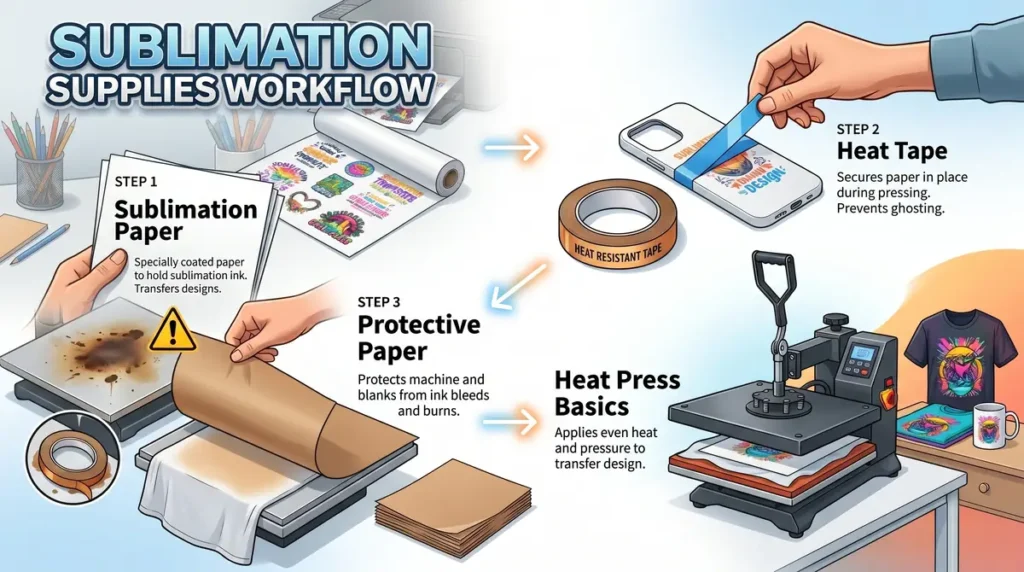
Sublimation Paper
Sublimation paper controls how efficiently ink transfers during pressing.
Using low-quality paper may reduce color vibrancy and sharpness.
You can compare options in this guide to best sublimation paper.
Heat Tape
Heat tape helps secure the transfer paper during pressing.
This reduces movement and prevents ghosting.
Protective Paper
Protective paper keeps excess ink from transferring onto your heat press.
Many beginners accidentally stain their press platens by skipping this step.
Heat Press Basics
A consistent heat press is essential for:
- pressure control
- temperature stability
- clean transfers
Understanding your equipment matters just as much as choosing the right blank.
Beginner Tips for Cleaner Sublimation Results
Small workflow habits make a huge difference in sublimation quality.
Start With Light-Colored Blanks
White and light-colored blanks produce the most vibrant sublimation colors.
Dark materials reduce visibility because sublimation ink is transparent.
Test Small Designs First
Testing small designs helps you:
- confirm settings
- reduce wasted materials
- improve alignment
Many experienced sublimation users still run small test transfers before large projects.
Keep Consistent Heat and Pressure
Uneven pressure creates:
- faded areas
- blurry edges
- inconsistent colors
Stable pressure and proper timing improve transfer consistency.
Avoid Moisture Before Pressing
Moisture inside fabric can cause:
- color fading
- ghosting
- transfer inconsistencies
Pre-pressing garments for a few seconds often improves results significantly.
Frequently Asked Questions
What is the easiest sublimation blank for beginners?
Polyester shirts and MDF coasters are usually the easiest beginner sublimation blanks because they press evenly and produce reliable results.
Can I use cotton for sublimation?
Standard sublimation does not work naturally on cotton because sublimation dye bonds best with polyester fibers.
What color shirts work best for sublimation?
White and light-colored polyester shirts produce the brightest and most accurate sublimation colors.
Which side of sublimation paper do I print on?
Most sublimation paper has a printable coated side. Manufacturers often mark the correct side on the packaging.
Are tumblers hard for beginners?
Tumblers are slightly more advanced because curved surfaces require consistent pressure and alignment.
What should I sublimate first?
Many beginners start with:
- polyester shirts
- mugs
- coasters
- keychains
These projects are affordable and easier to troubleshoot.