
Negotiating Wholesale Pricing with Apparel Blank Manufacturers

Wholesale apparel blanks are one of the biggest expenses for any custom printing business. Even a small discount on each garment can significantly increase your profit margin over time.
The good news is that wholesale pricing is often negotiable. Manufacturers and distributors may offer better rates, lower minimum order quantities, or improved payment terms when you order consistently and build a strong business relationship.
In this guide, you’ll learn proven strategies for negotiating wholesale pricing with apparel blank manufacturers, reducing costs, and securing better deals without sacrificing product quality.
If you are still calculating your production costs, our Print Startup Cost Calculator can help you estimate your overall business expenses before negotiating with suppliers.
Quick Answer
You can negotiate better wholesale pricing with apparel blank manufacturers by:
- Researching current market prices before requesting a quote.
- Ordering larger quantities whenever possible.
- Building a long-term relationship instead of focusing on one order.
- Negotiating shipping costs, payment terms, and minimum order quantities in addition to unit price.
- Paying invoices on time to become a preferred customer.
- Comparing quotes from multiple suppliers before making a decision.
The best negotiations create value for both sides. A supplier who trusts your business is more likely to offer better pricing on future orders.
Understand How Apparel Blank Pricing Works
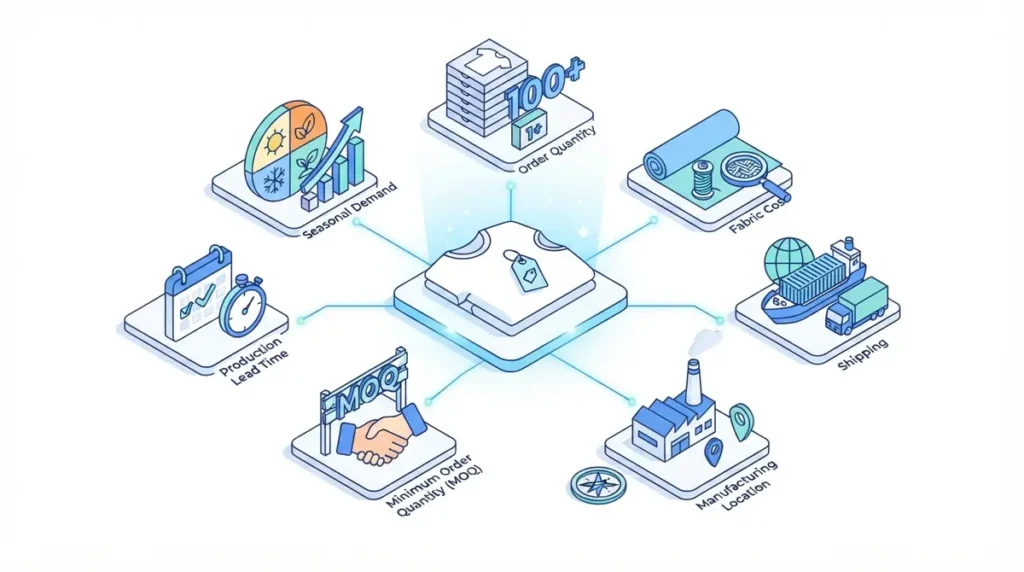
Before asking for a discount, it helps to understand what influences wholesale pricing. Manufacturers calculate prices using several factors, and knowing these variables allows you to negotiate from an informed position.
Order Volume
Larger orders usually reduce the cost per garment because production, packaging, and shipping become more efficient. Even modest increases in quantity may qualify for lower pricing tiers.
Fabric and Material Costs
Cotton prices, polyester availability, and blended fabrics fluctuate throughout the year. Global supply conditions often affect wholesale apparel pricing more than individual negotiations.
Manufacturing Location
Products manufactured domestically may cost more than imported garments because of labor expenses, shipping routes, and production standards.
Brand Reputation
Premium apparel brands often maintain stricter pricing policies. Lesser-known manufacturers may have greater flexibility when negotiating wholesale rates.
Seasonal Demand
Pricing can increase during busy seasons when manufacturers receive more orders. Planning purchases early may help secure better rates and improve inventory availability.
Understanding these factors helps you ask realistic questions during negotiations instead of requesting discounts without supporting reasons.
Prepare Before Contacting a Manufacturer
The strongest negotiations begin before you request a quote. Suppliers are more willing to offer competitive pricing when they see that you’ve done your research and understand your business needs.
Research Multiple Suppliers
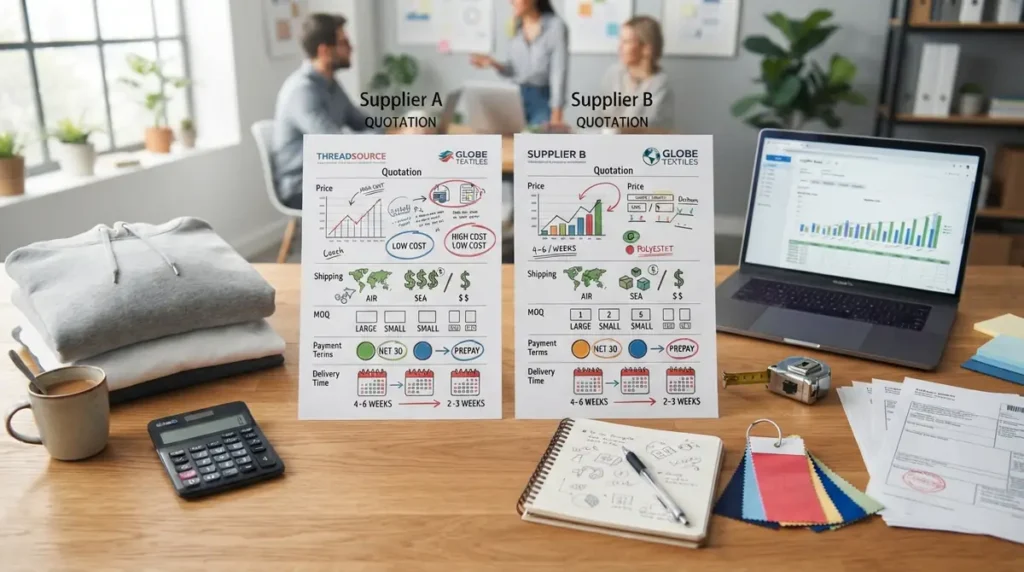
Never rely on a single quote. Contact several manufacturers or distributors and compare:
- Price per garment
- Minimum order quantity (MOQ)
- Shipping costs
- Production time
- Payment terms
- Return and warranty policies
Comparing multiple offers gives you a better understanding of market pricing and strengthens your negotiating position.
Know Your Order Requirements
Be prepared to explain exactly what you need, including:
- Garment style and brand
- Fabric type
- Available sizes
- Color options
- Estimated monthly or yearly order volume
- Expected delivery schedule
The more specific your request, the easier it is for a supplier to provide accurate pricing.
Understand Your Budget
Before negotiating, determine the highest price you can afford while maintaining healthy profit margins. Knowing your target cost helps you evaluate offers objectively and avoid accepting deals that reduce profitability.
If you’re unsure how much you can spend on materials while remaining profitable, request a custom quote through our Get Quote page before committing to a supplier.
Learn the Current Market Price
Check pricing from multiple wholesalers and manufacturers to understand the average cost for the apparel blanks you plan to purchase. Market research helps you recognize competitive offers and identify quotes that are significantly above average.
Entering negotiations with reliable pricing data allows you to discuss costs confidently instead of negotiating based on assumptions.
Build Strong Relationships Instead of Chasing One-Time Discounts
Many buyers focus only on getting the lowest possible price. Manufacturers, however, are more likely to reward customers who place repeat orders and are easy to work with. A strong business relationship often leads to better pricing over time than a single aggressive negotiation.
Be Honest About Your Business Goals
Tell the supplier if you plan to place regular orders or grow your business. Manufacturers are more willing to offer competitive pricing when they see the potential for a long-term partnership.
For example, instead of saying:
“I only need 100 shirts.”
Say:
“We’re starting with 100 shirts, but we expect to order every month as our customer base grows.”
This shows the supplier there is future business worth investing in.
Pay Invoices on Time
Reliable customers often receive benefits such as:
- Better pricing on future orders
- Faster production schedules
- Priority during busy seasons
- Flexible payment terms
- Early access to new products
Late payments can damage your reputation and reduce your negotiating power.
Communicate Professionally
Respond to emails promptly, provide complete order details, and ask clear questions. Professional communication makes transactions smoother and helps build trust with your supplier.
Stay Loyal to Reliable Suppliers
Constantly switching suppliers for small price differences can make it harder to build long-term partnerships. If a manufacturer consistently provides good quality, dependable delivery, and fair pricing, maintaining that relationship may save more money than chasing the cheapest quote.
A trusted supplier is often more willing to accommodate urgent orders, resolve issues quickly, or offer exclusive discounts when your business continues to grow.
Negotiation Strategies That Actually Work
Once you’ve prepared and established contact with a supplier, it’s time to negotiate. The goal is to create a deal that benefits both your business and the manufacturer. These strategies can help you secure better pricing while maintaining a positive relationship.
Start With a Reasonable Offer
Avoid asking for unrealistic discounts. Instead, explain your expected order volume and ask if better pricing is available.
For example:
“We’re planning to place regular orders throughout the year. Is there a better price available if we increase our order quantity?”
This approach encourages discussion rather than putting the supplier on the defensive.
Use Competitive Quotes Respectfully
If you’ve received lower quotes from other suppliers, mention them professionally without making threats.
For example:
“We’ve received a few competitive quotes. We’d prefer to work with your company because of your product quality. Is there any flexibility in your pricing?”
This keeps the conversation positive while showing you’ve done your research.
Increase Order Quantity When Possible
Many manufacturers offer volume discounts based on quantity. If your budget allows, ask whether ordering more units will reduce the price per garment.
Questions like these can help:
- What are your quantity discount tiers?
- How much would the price decrease if we doubled our order?
- Is there a price break at the next volume level?
Sometimes adding a small number of garments can unlock a significantly lower unit price.
Ask Open-Ended Questions
Instead of asking only for a discount, invite the supplier to suggest options.
Examples include:
- Is there any flexibility in this quote?
- How can we reduce the overall cost?
- What would qualify us for better wholesale pricing?
- Do you offer preferred pricing for repeat customers?
These questions often reveal opportunities you may not have considered.
Be Willing to Walk Away
Not every quote is worth accepting. If pricing, quality, or service doesn’t meet your requirements, thank the supplier and continue evaluating other options.
Walking away respectfully keeps the relationship professional and leaves the door open for future negotiations if circumstances change.

Negotiate More Than Just the Price
The unit price is important, but it’s not the only factor that affects your total costs. Many manufacturers have limited flexibility on pricing but can offer savings in other areas. Negotiating these terms can improve your overall value without lowering product quality.
Shipping Costs
Shipping can add a significant amount to large apparel orders. Ask if the supplier offers:
- Free shipping above a certain order value
- Discounted freight rates
- Combined shipping for multiple orders
- Local pickup options
Lower shipping costs can sometimes save more than a small discount on each garment.
Minimum Order Quantity (MOQ)
If you’re a new business, meeting a supplier’s minimum order requirement can be difficult. Ask whether they can:
- Reduce the MOQ for your first order
- Allow mixed sizes or colors to meet the minimum
- Combine multiple products into one order
This gives you more flexibility while keeping your inventory manageable.
Payment Terms
Improved payment terms can help your cash flow, especially if you handle large wholesale orders.
You can ask about options such as:
- Net 30 or Net 60 payment terms
- Partial upfront payment
- Credit accounts for repeat customers
- Early payment discounts
Better payment terms can make it easier to grow your business without tying up too much capital.
Production and Delivery Time
If fast turnaround is important, ask whether the supplier can provide:
- Priority production
- Guaranteed delivery dates
- Rush order options
- Inventory reservations for repeat orders
Reliable delivery schedules help you meet customer deadlines and reduce the risk of delayed projects.
Product Samples
Before placing a large order, request samples to verify:
- Fabric quality
- Color consistency
- Stitching and construction
- Print compatibility
- Overall finish
Testing samples first helps you avoid expensive mistakes and ensures the apparel meets your quality standards before committing to bulk purchases.
Common Mistakes to Avoid During Wholesale Price Negotiations
Even experienced buyers can make mistakes that weaken their negotiating position. Avoiding these common errors can help you build stronger supplier relationships and secure better long-term deals.
Focusing Only on the Lowest Price
Choosing the cheapest supplier isn’t always the best decision. Low prices may come with:
- Poor fabric quality
- Inconsistent sizing
- Delayed deliveries
- Limited customer support
Consider the total value, including product quality, reliability, and service.
Negotiating Without Research
Entering a negotiation without knowing current market prices makes it difficult to judge whether a quote is fair. Research multiple suppliers so you can negotiate with confidence.
Ignoring Total Costs
A lower unit price doesn’t always mean lower overall costs. Compare expenses such as:
- Shipping fees
- Import duties
- Packaging charges
- Payment processing fees
- Rush production costs
Always calculate the total landed cost before making a decision.
Being Too Aggressive
Demanding unrealistic discounts or pressuring suppliers can damage the relationship before it begins. A respectful and professional approach is more likely to lead to flexible pricing and better service.
Not Getting Agreements in Writing
If a supplier agrees to special pricing or payment terms, ask for written confirmation. This helps prevent misunderstandings and provides a clear reference for future orders.
Choosing Price Over Reliability
A dependable supplier who delivers consistent quality and on-time shipments can save your business far more than a small discount from an unreliable vendor. Long-term reliability often has a greater impact on customer satisfaction and profitability than the lowest purchase price.
Sample Negotiation Email Template
Use this email as a starting point when requesting better wholesale pricing from an apparel blank manufacturer. Keep your message professional, concise, and focused on building a long-term relationship.
Subject: Wholesale Pricing Inquiry for Apparel Blanks
Hello,
My name is [Your Name], and I represent [Your Business Name]. We’re looking for a reliable supplier for wholesale apparel blanks and are interested in building a long-term partnership.
We’re currently planning to order approximately [Quantity] garments, with the expectation of placing regular orders as our business grows.
Could you please provide your best pricing for this order? We’d also appreciate information about:
- Volume discount tiers
- Minimum order quantities
- Shipping costs
- Production lead times
- Payment terms
If there is flexibility in pricing for repeat customers or larger orders, we’d be happy to discuss those options.
Thank you for your time. We look forward to hearing from you.
Best regards,
[Your Name]
[Business Name]
[Phone Number]
[Email Address]
Tips for Better Results
- Personalize the email for each supplier.
- Clearly explain your expected order volume.
- Be polite and professional throughout the conversation.
- Respond promptly to follow-up questions.
- Keep communication focused on building a long-term partnership rather than requesting a one-time discount.