How Sublimation Supports Mental Health in Daily Life

Sublimation plays an important role in mental health by helping people turn difficult emotions into positive action.
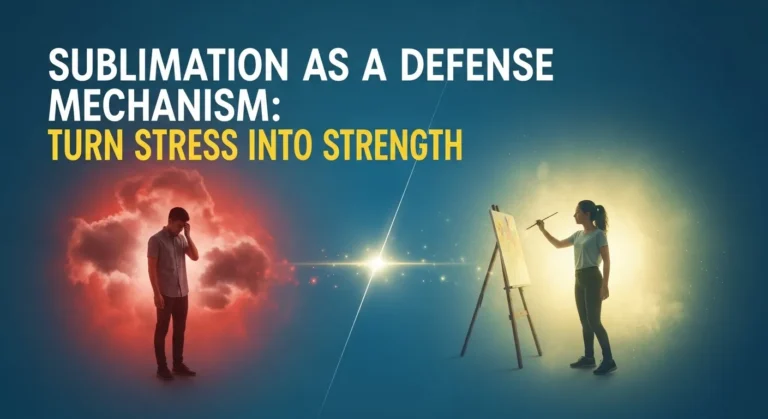
Instead of suppressing feelings like anger, stress, or frustration, sublimation redirects that energy into productive outlets such as creativity, exercise, or meaningful work. If you want to understand the full concept, start with this guide on sublimation in psychology.
In this article, you’ll learn how sublimation supports emotional well-being, why it works, and how to use it in daily life.
For practical strategies, see 7 Sublimation Psychology Hacks.
What Sublimation Means in Mental Health
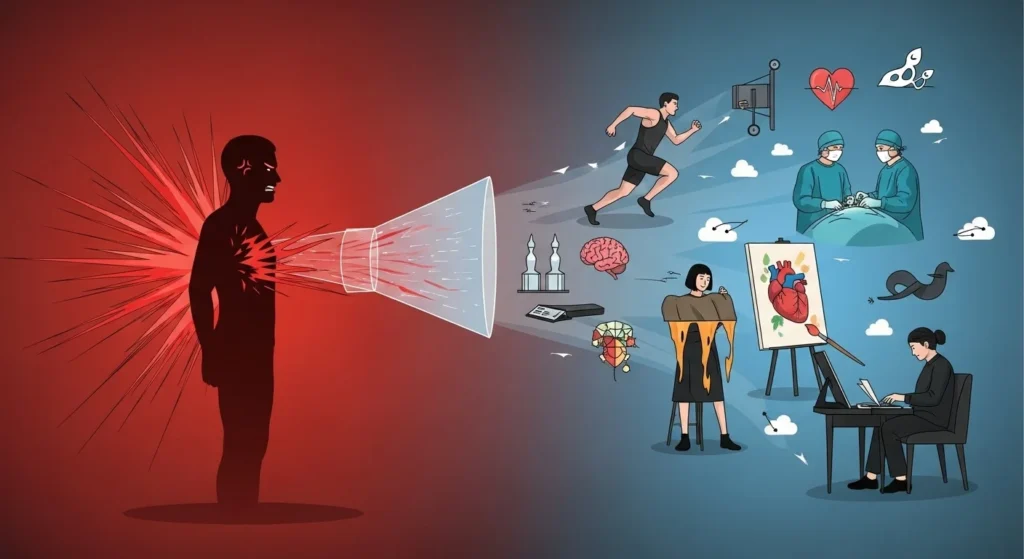
In mental health, sublimation is a defense mechanism that transforms strong or unwanted emotions into constructive behavior.
Instead of acting impulsively or suppressing feelings, the mind redirects emotional energy into activities that improve well-being.
For example, someone experiencing frustration may channel that energy into exercise, while another person may turn emotional stress into creative work.
This process helps maintain emotional balance while still allowing expression.
Why Sublimation Is Important for Emotional Well-Being
Sublimation is considered one of the healthiest ways to deal with emotions.
It helps reduce internal tension without ignoring or avoiding feelings. Instead of building up, emotions are released through action.
This leads to:
- better emotional control
- reduced stress
- improved focus
- healthier coping habits
Because of this, sublimation is often seen as a key part of emotional resilience.defense mechanism. It occurs when the ego manages desires from the id in a way that aligns with the values of the superego.
Real-Life Impact on Mental Health
Sublimation supports mental health in everyday situations.
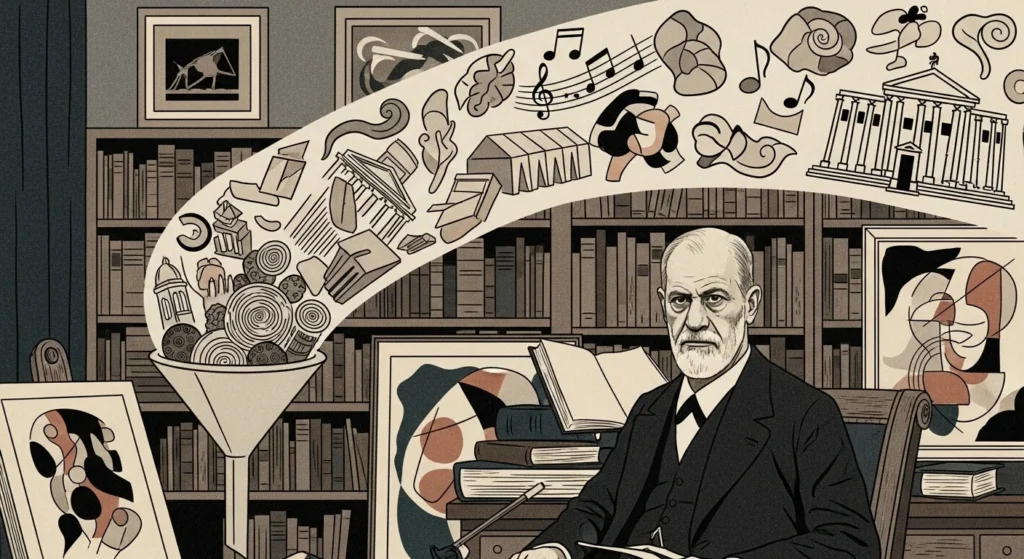
When people face emotional pressure, they often redirect that energy into productive behavior.
Examples include:
- turning stress into physical activity
- using emotional pain to create art
- focusing frustration into work or learning
- channeling guilt into helping others
If you want more detailed scenarios, explore these real-life examples of sublimation.
How Sublimation Helps Manage Stress and Emotions
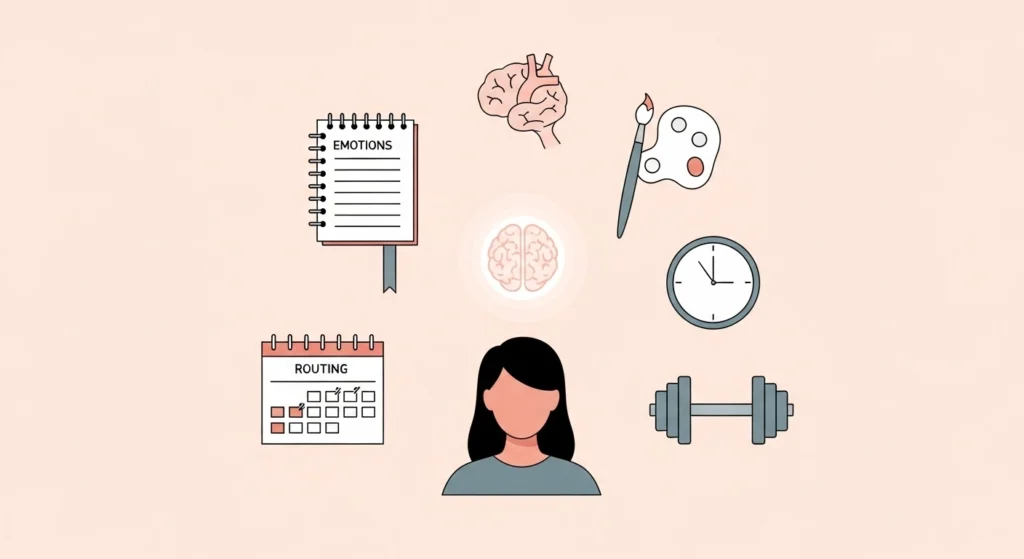
Sublimation works because it gives emotional energy a direction.
Instead of staying trapped inside the mind, that energy is converted into action. Activities like exercise, creativity, or problem-solving naturally reduce stress levels.
Over time, this helps:
- prevent emotional buildup
- improve mood
- create a sense of purpose
This is why sublimation is often more effective than simply suppressing emotions.
How to Use Sublimation in Daily Life
You can apply sublimation intentionally to improve your mental health.
Step 1: Identify the emotion
Recognize what you are feeling, whether it’s anger, stress, or frustration.
Step 2: Choose a productive outlet
Redirect that energy into something useful like exercise, art, or work.
Step 3: Take action
Use the energy instead of holding it in.
Step 4: Build consistency
Over time, this becomes a natural way to manage emotions.
Signs You Are Using Sublimation
You may already be using sublimation without realizing it.
Common signs include:
- feeling better after physical or creative activity
- using work or hobbies to manage stress
- turning emotional experiences into productivity
- preferring action over emotional confrontation
Recognizing these patterns helps you use sublimation more effectively.
When Sublimation May Not Be Enough
While sublimation is helpful, it is not always a complete solution.
Some emotional challenges may require:
- reflection
- communication
- professional support
Sublimation works best when combined with awareness and healthy coping strategies.
How does sublimation support mental health?
Sublimation supports mental health by transforming negative emotions into positive actions, reducing stress and improving emotional balance.
Is sublimation better than suppression?
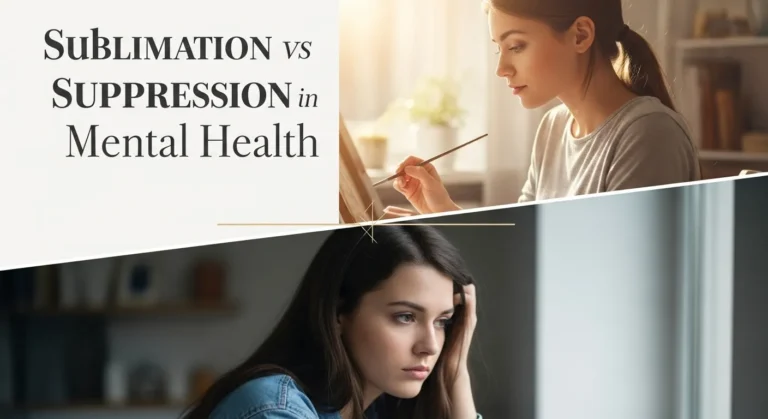
Sublimation is generally more effective because it transforms emotions instead of holding them in. You can learn more in this guide on the difference between sublimation and suppression.
Can sublimation be used intentionally?
Yes, while it often happens unconsciously, people can learn to redirect emotions into productive activities.
What are common examples of sublimation?
Examples include turning anger into exercise, using stress to fuel productivity, or expressing emotions through creative work.