
Real-Life Examples of Sublimation in Daily Life

Sublimation is one of the most powerful ways the mind turns difficult emotions into something useful.
Instead of acting on anger, stress, or desire in harmful ways, sublimation redirects that energy into positive actions like exercise, creativity, or meaningful work. If you want to understand the full concept, it helps to first explore sublimation in psychology and how it works.
In this guide, you’ll see real-life examples of sublimation, learn how to recognize it, and understand how to use it in your daily life.
What Is Sublimation?
Sublimation is the process of turning strong or socially unacceptable impulses into positive and productive behavior.
Instead of suppressing emotions, the mind reshapes them into something useful. For example, anger can become physical activity, while emotional pain can turn into creative expression.
This idea comes from Freud’s theory, which you can explore in more detail in Freud’s sublimation explained simply.
10 Examples of Sublimation (Explained with Images)
Sublimation isn’t just theory. it shows up in daily life more often than we realize.
Here are ten real-world examples that illustrate how emotions transform into meaningful, socially acceptable action.
1. Turning Anger into Exercise

When anger builds up, many people release it through running, boxing, or gym training. The physical intensity channels aggression into endurance and control.
2. Transforming Grief into Art

Artists often process loss or sadness through painting, music, or writing. The emotional energy becomes a visual or auditory expression of healing.
3. Converting Desire into Creativity

Romantic or sexual energy can be sublimated into writing, design, or dance, forms of expression that keep the emotion alive but redirected.
4. Channeling Guilt into Helping Others

When guilt or regret lingers, volunteering or community work often becomes a restorative outlet.
5. Redirecting Anxiety into Planning

Some people cope with anxiety by organizing, scheduling, or creating structured systems, turning restlessness into productivity.
6. Using Jealousy as Motivation

Instead of resenting someone’s success, jealousy can fuel self-improvement and goal setting.
Alt text: Individual using inspiration from others’ success to stay motivated.
7. Turning Loneliness into Learning

Solitude can lead to personal growth when channeled into reading, research, or skill development.
8. Converting Frustration into Innovation
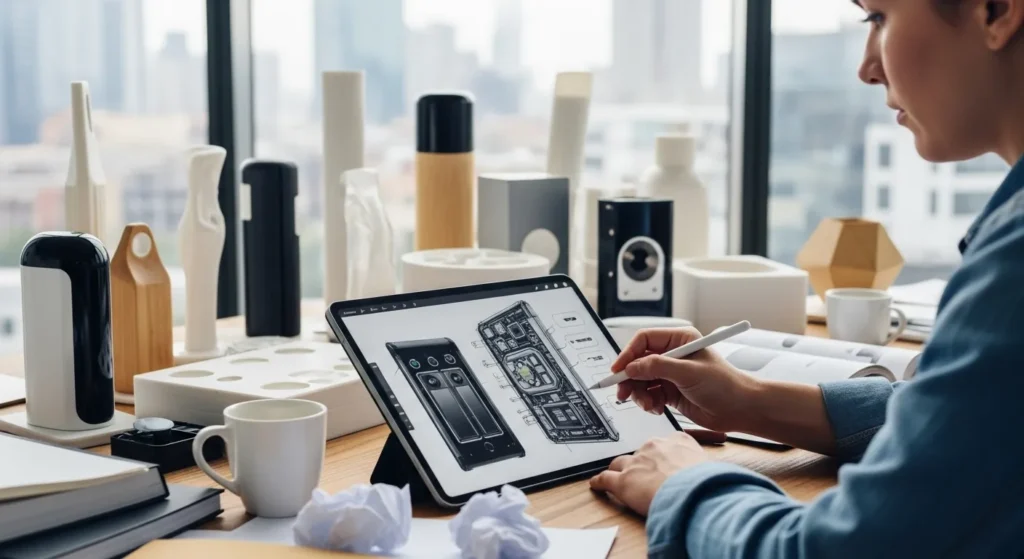
Inventors and problem-solvers often use frustration as the spark for creative breakthroughs.
9. Transforming Shame into Storytelling

Writers and speakers often turn past mistakes into memoirs or talks that help others.
10. Channeling Fear into Preparation

Fear can become fuel for safety and readiness, like preparing for challenges instead of avoiding them.
How to Recognize Sublimation vs Similar Defenses
It’s easy to confuse sublimation with other psychological responses.
Sublimation vs Suppression
Sublimation transforms emotion into action, while suppression pushes the feeling aside without resolving it.
If you want a deeper comparison, this guide explains the difference between sublimation and suppression in more detail.
Sublimation vs Displacement
Displacement redirects emotions toward another person or object, often in a negative way.
Sublimation, on the other hand, turns that same energy into something constructive and beneficial.
How to Use Sublimation in Daily Life
You can use sublimation intentionally to manage your emotions more effectively.
Step 1: Identify the Emotion
Notice what you’re feeling, whether it’s anger, stress, frustration, or desire.
Step 2: Choose a Productive Outlet
Redirect that emotion into something useful like exercise, art, or work.
Step 3: Take Action
Use the energy immediately instead of letting it build up.
Step 4: Repeat Consistently
Over time, this becomes a natural habit that improves emotional control.
Why Sublimation Works
Sublimation works because it gives emotional energy a direction.
Instead of building up and causing stress, that energy is redirected into action. Activities like exercise, creativity, or helping others naturally reduce tension and improve focus.
Over time, this process helps build emotional resilience and better coping habits.
Quick Self-Check: How Do You Sublimate?
Want to know if you already practice sublimation without realizing it?
Take this quick self-check.
Ask yourself:
- Do you often create, fix, or build something when stressed?
- Do you feel better after exercising or cleaning when upset?
- Do you write, paint, or brainstorm ideas when sad or restless?
- Do you help others or volunteer to cope with guilt or frustration?
✅ If you answered “yes” to three or more, you’re already sublimating, turning emotion into action instead of bottling it up.
Those interested in how sublimation translates from psychology to real-world crafting can learn about compatible equipment in Best Printer for Sublimation.