
Freud’s Sublimation Explained Simply (Definition + Real Examples)

Freud’s concept of sublimation explains how people turn powerful emotions into positive actions.
Instead of suppressing instincts like anger or desire, sublimation redirects that energy into creative, productive, or socially acceptable behavior. If you want a broader understanding of how this works, start with this complete guide on sublimation in psychology.
In this article, you’ll learn what Freud meant by sublimation, how it works, and simple examples you can recognize in real life.
What Did Freud Mean by Sublimation?
Freud defined sublimation as a defense mechanism where instinctual drives are transformed into socially acceptable actions.
In simple terms, it means taking raw emotional energy and reshaping it into something useful instead of harmful. Rather than acting on aggressive or impulsive urges, the mind redirects that energy into productive behavior like art, work, or achievement.
This idea becomes easier to understand when you look at the full concept explained in this guide to sublimation in psychology.
How Sublimation Fits Into Freud’s Theory
Freud believed the human mind operates through three key parts that constantly interact with each other.
The id is the source of basic impulses and desires. It seeks immediate satisfaction without concern for consequences.
The ego acts as the decision-maker. It balances impulses with reality and finds practical ways to express them.
The superego represents moral standards and social expectations. It pushes us toward what is considered right or acceptable.
Sublimation happens when the ego takes strong impulses from the id and transforms them into actions that the superego approves of. Instead of suppressing these urges, the mind redirects them in a way that benefits both the individual and society.
To see how this plays out in real situations, explore these real-life examples of sublimation.

How Sublimation Works (Freud’s View)
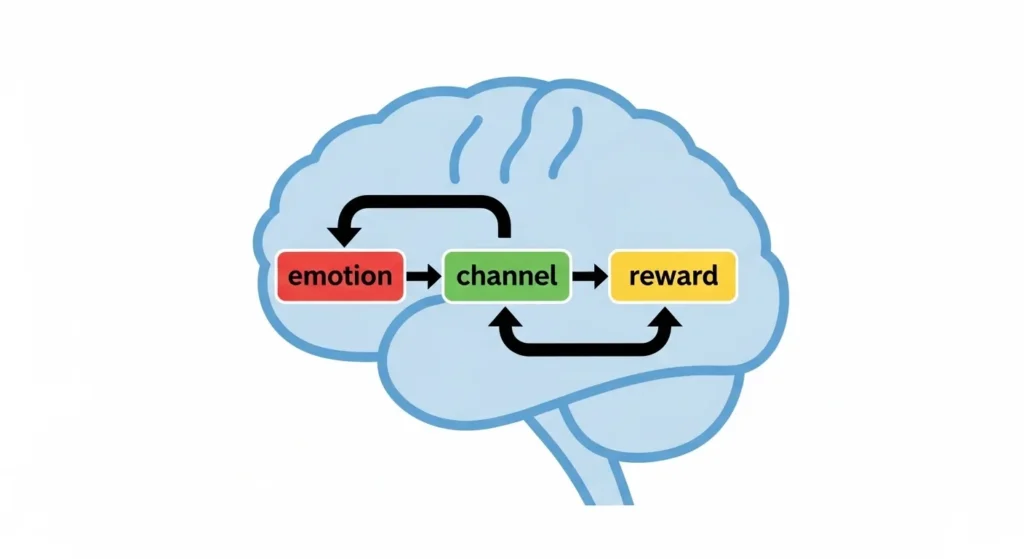
Freud saw sublimation as a process of transformation rather than suppression.
It starts with a strong internal impulse such as anger, desire, or frustration. This impulse cannot always be expressed directly because of social rules or personal values.
Instead of blocking the feeling, the mind redirects it.
The process works like this:
Impulse arises
Direct expression is restricted
The ego redirects the energy
The result becomes a productive action
For example, someone feeling intense frustration might channel that energy into building a business, training physically, or creating something meaningful.
This is why sublimation is often described as turning emotional pressure into productive energy.
Simple Examples Freud Would Recognize
Freud often pointed to everyday behavior as evidence of sublimation.
Anger can be transformed into physical activity such as sports or exercise, allowing a person to release energy in a controlled and healthy way.
Desire or emotional intensity can be redirected into creative work like music, writing, or art, giving those feelings a meaningful outlet.
Frustration can be turned into focus on career goals or personal development, helping someone achieve progress instead of staying stuck.
If you want to explore more practical situations, these detailed real-life examples of sublimation show how this works in everyday life.
Why Freud Considered Sublimation Healthy
Freud believed sublimation was one of the most mature and beneficial defense mechanisms.
Instead of hiding emotions or acting on them destructively, sublimation transforms them into something constructive.
This leads to better emotional control, reduced stress, and more productive behavior.
It allows people to express strong feelings safely while still achieving personal growth.
This is also why sublimation is often compared to other mechanisms like suppression, which you can better understand in this guide on the difference between sublimation and suppression.
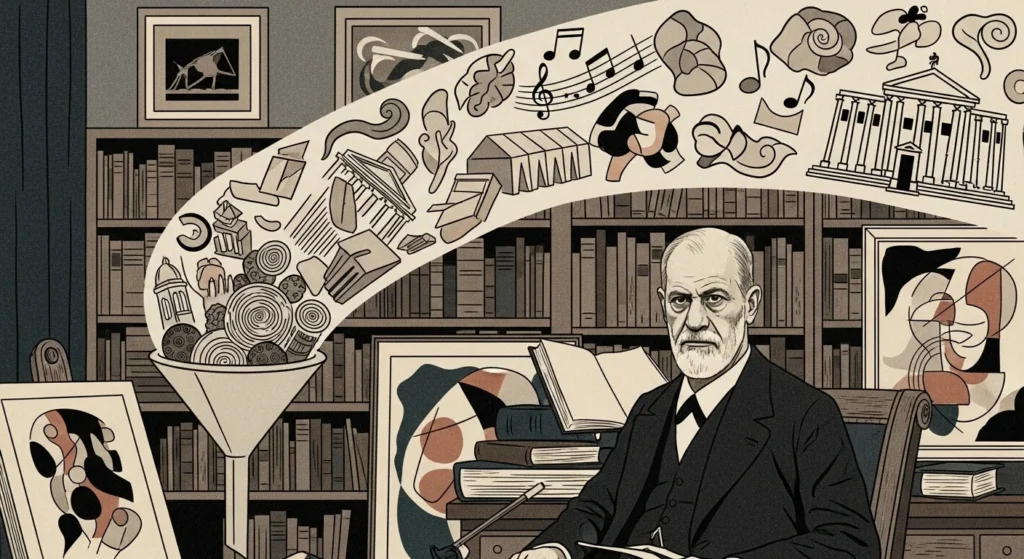
As Verywell Mind notes, physical outlets like sports reduce stress and aggression by transforming adrenaline into achievement. Freud might say the athlete’s ego found a way to satisfy the id’s power drive while earning the superego’s approval.
Freud vs Modern Psychology
Modern psychology still recognizes the value of sublimation, although it explains it in slightly different ways.
Today, researchers focus more on emotional regulation, coping strategies, and behavioral patterns rather than unconscious drives alone.
Even without relying entirely on Freud’s original theory, the idea remains relevant. People still transform emotional energy into creativity, productivity, and meaningful work.
In practical terms, what Freud described continues to appear in everyday human behavior.
Frequently Asked Questions
What is sublimation according to Freud?
Sublimation is a defense mechanism where instinctual drives are redirected into socially acceptable and productive actions.
Why did Freud consider sublimation important?
Freud believed sublimation was important because it allows people to transform potentially harmful impulses into positive outcomes that benefit both the individual and society.
Is sublimation conscious or unconscious?
Sublimation is often unconscious, but it can also become intentional when people learn to redirect their emotions more effectively.
What are examples of sublimation?
Examples include turning anger into physical exercise, using emotional pain to create art, or channeling ambition into career success. strong emotions, not by pushing them down, but by transforming them into something meaningful.