How to Start a Sublimation Printing Business (2026 Guide)

You can start a sublimation printing business for as little as $350 to $700 in basic equipment, and it can be profitable within a few months if you price correctly and pick products people actually buy. Here is what it actually costs, what sells, how to price it, and where to sell it. Use the sublimation ROI calculator and equipment ROI calculator to estimate your break-even point before you invest.
Go to Section
- Equipment and Supplies You Need
- What to Sell
- How to Price Your Products
- Where to Sell
- Is It Profitable? Realistic Numbers
- Design and Software
- FAQs
Equipment and Supplies You Need
Your printer is the biggest decision. Two brands dominate the sublimation market: Sawgrass and Epson.
Sawgrass: the SG500 or SG1000 are industry favorites, built specifically for sublimation with dedicated software (CreativeStudio) that simplifies color management. They cost more upfront (roughly $500 to $2,000) but are close to plug and play.
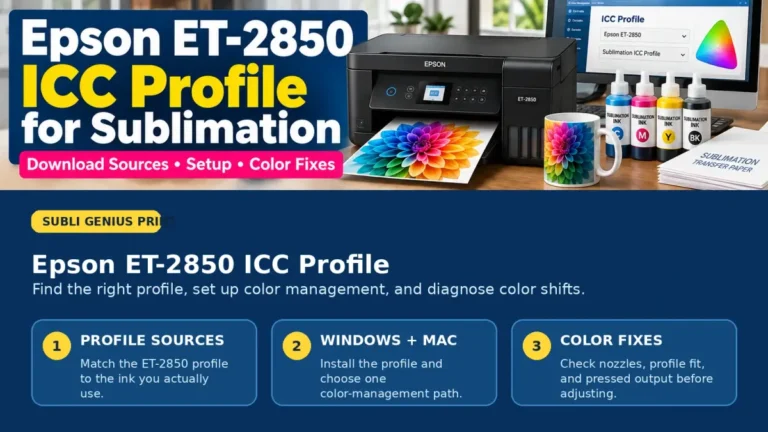
Epson: models like the EcoTank ET-2720 or ET-15000 can be converted to sublimation with the right ink. They run $200 to $600, which is more budget friendly, but you will need to manage color profiles yourself and possibly add a continuous ink supply system.
If you are tech comfortable and watching your budget, go Epson. If you want less setup hassle and are willing to pay for it, go Sawgrass.
Full Supplies List
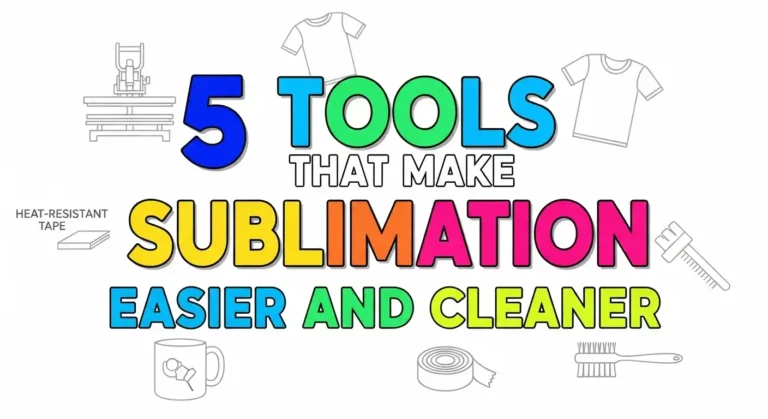
- Sublimation ink: dye based ink made for heat transfer, not standard inkjet ink.
- Sublimation paper: A4 or letter size works for most projects, look for high release paper to avoid ghosting.
- Heat press: a flat press for shirts, or a mug and tumbler press for curved items, look for adjustable pressure and temperature.
- Blanks: sublimation ready shirts, mugs, tumblers, and other coated products.
- Accessories: heat resistant tape, butcher paper, and a lint roller for prepping fabric.
What to Sell
Popular sublimation products fall into a few categories:
- Apparel: t-shirts, hoodies, and socks with custom designs.
- Drinkware: mugs, tumblers, and water bottles.
- Home decor: coasters, pillows, and blankets.
- Accessories: phone cases, keychains, and tote bags.
Niching down helps you stand out in a crowded market, think pet themed mugs or fandom inspired shirts rather than generic designs. Check Etsy and Pinterest trends before committing to a product line.
How to Price Your Products
A simple pricing formula covers your costs and time:
- Cost of materials: calculate per item, for example about $2 for a mug or $0.50 for ink and paper on a shirt.
- Labor: add $10 to $15 per hour for your own time.
- Profit margin: aim for a 30 to 50 percent markup on top of materials and labor.
Worked example: a mug costing $2 in materials plus about $3 in labor comes to $5 in cost. At a 50 percent markup, that mug sells for $15 to $20, in line with what similar mugs sell for on Etsy.
Check what competitors charge on Etsy or Amazon before settling on a price, and consider bundle or bulk discounts to boost average order size.
Where to Sell
- Etsy: great for handmade, custom items, low startup cost but takes listing and transaction fees.
- Shopify: build your own store for full control, pair it with a print on demand fulfillment service like Printful if you do not want to fulfill orders yourself.
- Social media: sell directly through Instagram or TikTok shops using short product videos.
Use high quality photos and clear descriptions no matter where you sell. Buying blanks in bulk keeps your per unit cost down as you scale.
Is It Profitable? Realistic Numbers
Sublimation can be profitable quickly because the equipment cost is low compared to other print methods, and margins on drinkware and apparel are typically strong (30 to 50 percent after materials and labor). A single mug or shirt might only net you $8 to $12 in profit, but the low barrier to entry means many sellers turn a profit within their first few months rather than needing to scale to break even.
The main risk to profitability is underpricing. Sellers who price only slightly above material cost without accounting for their own time and slow-moving inventory tend to struggle even with steady sales volume.
Design and Software
You do not need advanced design skills to get started:
- Canva: free, drag and drop, tons of templates, the easiest starting point for beginners.
- Adobe Photoshop or Illustrator: the industry standard for detailed, fully custom work, with a steeper learning curve.
- Affinity Designer: a one time purchase alternative to Adobe with strong features for the price.
- Sawgrass CreativeStudio: included with Sawgrass printers, built specifically around sublimation workflows.
Start with Canva if you are new. As your product line grows, Adobe or Affinity give you more control over custom artwork.
FAQs
Is sublimation profitable?
Yes, for most sellers. Equipment costs are low compared to other print methods, and typical margins run 30 to 50 percent after materials and labor. Profitability mainly comes down to pricing correctly and choosing products people actually want, not the printing method itself.
What do I need to start sublimation printing?
A sublimation printer and ink, sublimation paper, a heat press, and sublimation ready blanks like shirts or mugs. A basic setup runs $350 to $700, see the equipment section above for specific picks.
What sublimation items sell best?
Mugs, tumblers, and custom apparel are the most consistent sellers, especially with a niche angle like pet themes or fandom designs. Home decor items like coasters and pillows also sell well as gifts.
How much should I charge for sublimation prints?
Add your material cost, your labor at $10 to $15 an hour, and a 30 to 50 percent markup on top. A mug costing about $5 total to make typically sells for $15 to $20.