What Is a Sublimation Oven? (When You Actually Need One)

If you’re getting into sublimation printing, you’ve probably heard people talk about using an oven instead of a heat press. That can feel confusing, especially when you’re just trying to figure out the basics.
A sublimation oven is simply another way to apply heat during the sublimation process, but it’s designed for items that a heat press can’t handle easily.
In this guide, you’ll learn exactly what a sublimation oven is, how it works, when you should use it, and whether you actually need one for your setup.
What Is a Sublimation Oven?
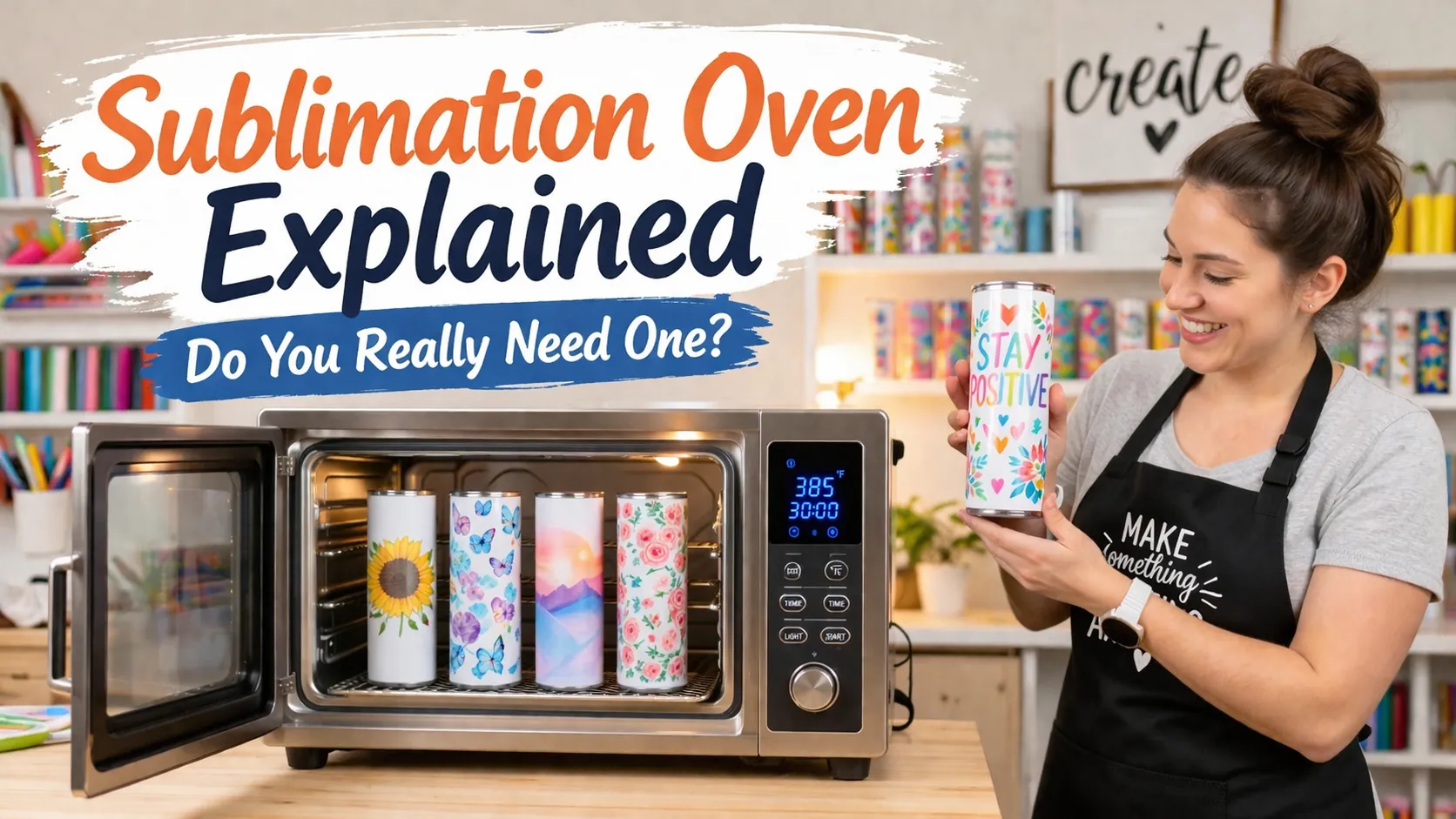
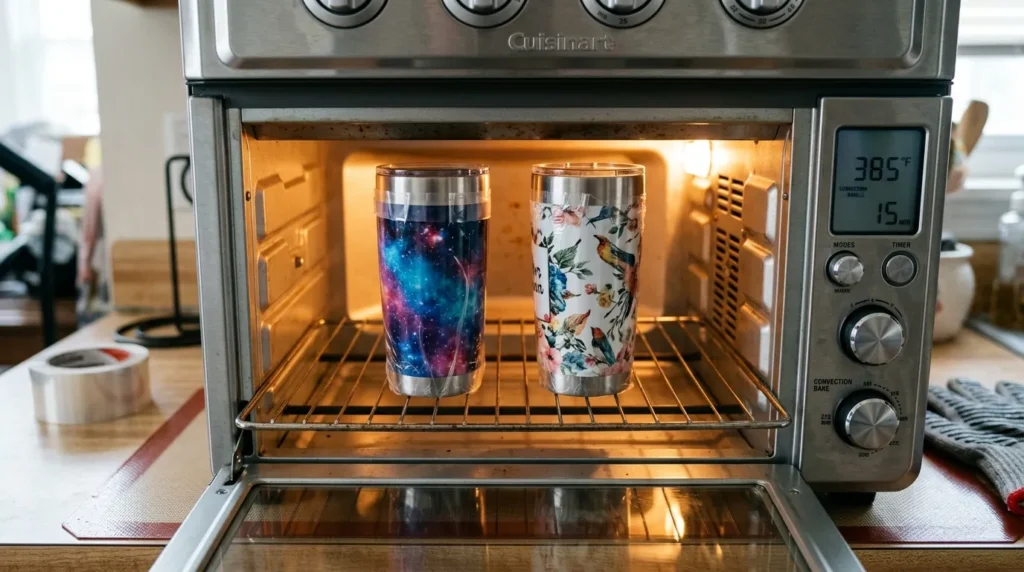
A sublimation oven is a convection oven used to transfer sublimation designs onto 3D or curved objects using heat.
Instead of pressing from the top like a heat press, the oven surrounds the item with consistent heat. This allows the sublimation ink to activate, turn into gas, and bond evenly with the surface.
This method is commonly used for:
- Tumblers
- Mugs
- Water bottles
- Irregular or full-wrap items
If you’re new to how the process works overall, it helps to review this complete sublimation printing guide before diving deeper.
How Does a Sublimation Oven Work?
The process is simple, but each step matters for getting clean, vibrant results.
Step-by-step workflow:
- Print your design using sublimation ink
- Wrap the design tightly around your item
- Secure it using heat tape or shrink wrap
- Place the item inside the oven
- Heat activates the ink and turns it into gas
- The gas bonds with the polymer coating on the item
Unlike a heat press, the oven provides even heat distribution from all directions. This is what makes it ideal for curved or cylindrical surfaces.
Temperature, time, and airflow all play a role. If these are off, you may notice uneven transfers or faded areas.
What Can You Make with a Sublimation Oven?
A sublimation oven is mainly used for products that are difficult to press evenly.
Common items include:
- Full-wrap tumblers
- Ceramic mugs
- Stainless steel bottles
- Irregular-shaped blanks
These items require consistent heat all around, which a flat heat press cannot provide.
To choose the right products, you can explore this sublimation blanks and substrates guide to understand which materials work best.
Image suggestion:
A collection of sublimated tumblers, mugs, and bottles prepared with printed designs and shrink wrap.
Sublimation Oven vs Heat Press: What’s the Difference?
Many beginners wonder whether they should use an oven or a heat press. The answer depends on what you’re making.
| Feature | Sublimation Oven | Heat Press |
|---|---|---|
| Heat Type | Surrounding heat | Direct top pressure |
| Best For | 3D and curved items | Flat surfaces |
| Pressure | Indirect (via wrap) | Direct pressure |
| Use Case | Tumblers, mugs | T-shirts, flat blanks |
| Control | Airflow-based | Pressure + heat |
Key takeaway:
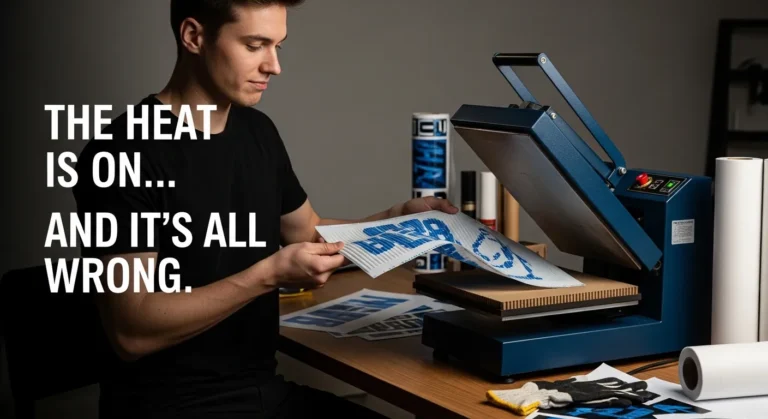
- Use a heat press for flat items like shirts and panels
- Use an oven for curved or full-wrap items
If you’re still working with flat designs, understanding proper heat press temperature for sublimation will give you better results.
When Should You Use a Sublimation Oven?
You should consider using a sublimation oven when:
- You’re making full-wrap tumblers
- Your designs cover the entire surface
- The item cannot fit properly in a press
- You want to produce multiple tumblers at once
In most home setups, beginners start with a heat press. As they move into tumbler printing or bulk production, an oven becomes more useful.
Do You Need a Special Sublimation Oven?
No, you don’t need a special sublimation-branded oven. A convection oven works just fine.
However, there is one important rule:
Do not use the same oven for food after sublimation.
Sublimation involves inks and coatings that should not mix with food preparation.
For safety:
- Use a dedicated oven for sublimation only
- Ensure good ventilation
- Avoid placing food inside afterward
Common Problems When Using a Sublimation Oven
Like any sublimation method, ovens come with their own challenges.
Common issues:
- Uneven colors
- Ghosting (blurry double images)
- Faded prints
- Shrink wrap marks
Why these happen:
- Incorrect temperature or time
- Loose wrapping
- Poor airflow inside the oven
- Low-quality blanks
If you run into issues, this sublimation troubleshooting guide can help you identify and fix problems quickly.
Tips for Better Results with a Sublimation Oven
Small adjustments can make a big difference in your final results.
Practical tips:
- Use high-quality shrink wrap for tight contact
- Avoid overcrowding the oven
- Test temperature settings before bulk production
- Rotate items if heat distribution is uneven
- Use consistent timing for repeatable results
You may notice that even a slight temperature change can affect color vibrancy.
Best Practices for Beginners
If you’re just starting with a sublimation oven, keep things simple.
- Start with one item at a time
- Use trusted blank suppliers
- Keep notes on temperature and time
- Test before scaling production
This helps you build a reliable workflow without wasting materials.
Frequently Asked Questions
Can I use a regular kitchen oven for sublimation?
Yes, but it should be dedicated to sublimation only and never used for food afterward.
Do I need shrink wrap for sublimation oven?
Yes, shrink wrap helps apply even pressure and ensures the design transfers properly.
What temperature works best for sublimation ovens?
Most setups use around 350–400°F, but exact settings depend on the blank and coating.
Is a sublimation oven better than a mug press?
It depends on your needs. Ovens are better for full-wrap designs, while mug presses are simpler for standard mugs.
Can I sublimate tumblers without an oven?
Yes, you can use a tumbler press, but ovens are often better for full coverage and batch production.