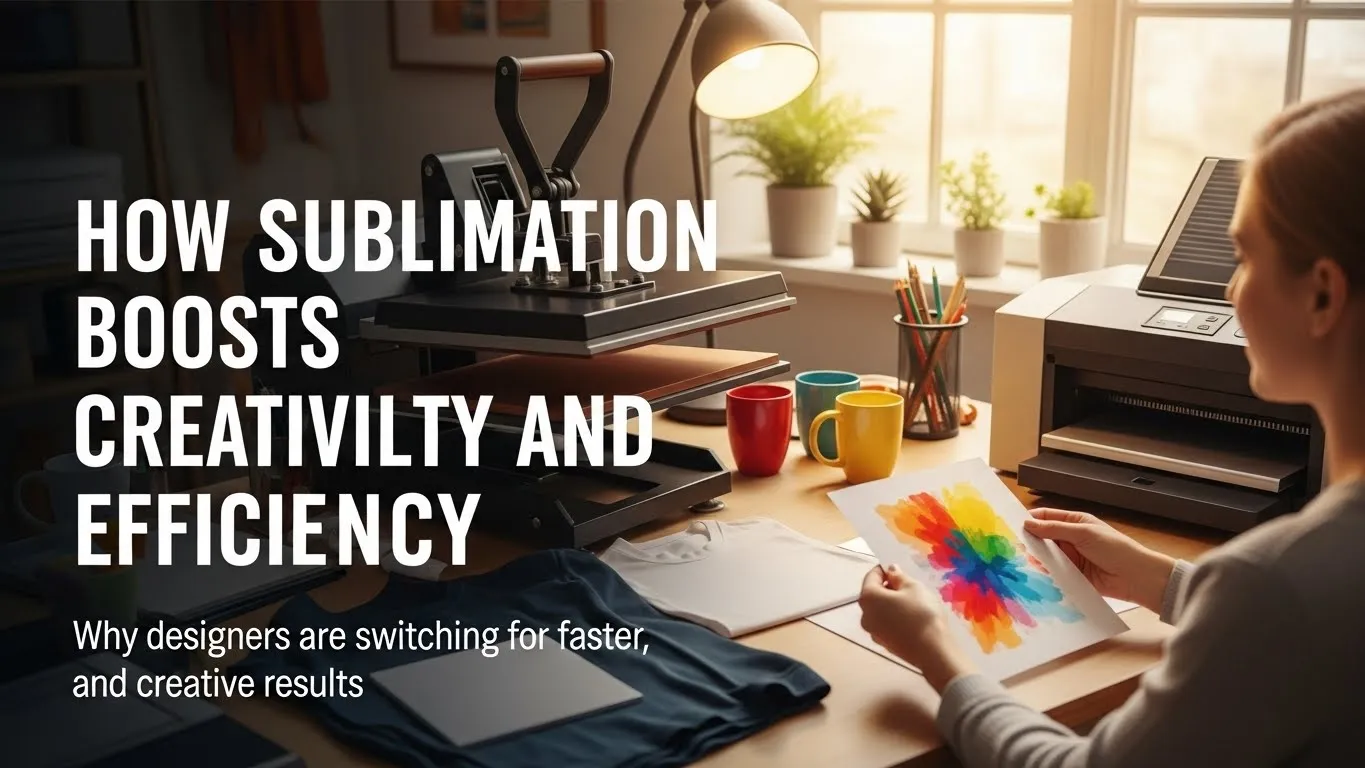
How Sublimation Boosts Creativity and Efficiency for Designers and Artists

I didn’t realize how much freedom I was missing in my designs until I tried sublimation for just one project, and it kind of surprised me how smooth everything felt. And it made me wonder why the results show up so fast when you switch to a method that basically removes all the usual limits.
Sublimation is one of those tools that gives designers room to breathe. You get bold colors, fast production, easy testing, and fewer limitations. Once you start building your workflow around it, everything from idea to finished product feels smoother and way more fun.
If you’ve ever felt stuck choosing between creativity and speed, sublimation flips that whole idea on its head. You’ll see how this simple print method helps designers and artists move faster, experiment more, and bring ideas to life without running into the usual roadblocks.
Why sublimation changes the game for creatives
If you’ve ever bounced between vinyl, screen printing, DTG, or even digital transfers, you’ve probably run into the same headaches. Extra steps. Color limits. Material issues. Long production times. Sublimation sidesteps a lot of that, which is why so many designers end up falling in love with it.
What makes sublimation different
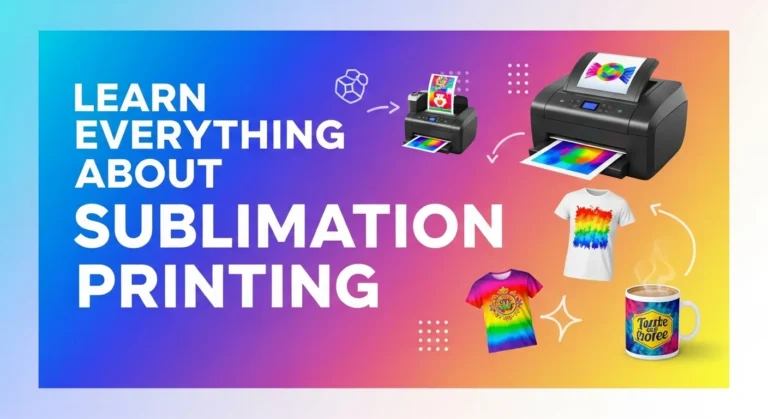
Sublimation turns ink into a gas that bonds into polyester fibers or coated surfaces. That’s why prints come out sharp and smooth. If you’re not familiar with the basics yet, you’ll get a clearer picture here in the breakdown of the sublimation process you can explore later through this guide on the sublimation process.
Why designers benefit
You get seamless full-color results with insane detail, so gradients, shadows, and textures look exactly how they appeared on your screen.
Why this matters
It means fewer limits, faster testing, and a smoother path from idea to final product.
How sublimation boosts creativity for designers and artists
This is where sublimation shines. You get a level of freedom that makes creative projects feel more fun and way less restricted. It’s almost like switching from crayons to a full digital painting setup.
Full-color, photo-quality work
Sublimation can hit bright tones, soft fades, neon effects, and clean edges without losing detail. If you’ve ever had colors print dull, learning how to avoid that helps a lot, and this guide on why sublimation colors look dull and how to fix it goes into those common issues.
Unlimited placement
You aren’t limited to front-chest prints or tiny logos. You can wrap mugs, cover an entire hoodie, or create full-pattern shirts.
Experiment freely
With low material waste and easy reprints, you can test new art styles without stressing over mistakes.
Perfect for digital art
Watercolor, neon, glitch art, textured illustrations, Procreate styles, and layered Photoshop work all transfer beautifully.
Why this matters
You get room to test, tweak, and evolve your style in ways that physical media or other print methods just don’t support.
How sublimation makes your workflow faster and more efficient
If you design for clients, run a shop, or hold deadlines, speed matters just as much as quality.
Shorter turnaround times
You can go from design to finished product in minutes. There’s no drying time, pretreatment, layering, or weeding.
Fewer production errors
Sublimation is predictable once you dial in the right heat, pressure, and time. A lot of mistakes come from heat press issues, and this guide on 5 heat press mistakes that ruin your transfers shows how to avoid the biggest ones.
Faster prototyping
You can create samples for apparel, drinkware, and accessories instantly, which is huge for branding clients or Etsy shops.
Color consistency
Once you choose a solid ink and ICC profile setup, colors stay almost identical across batches.
Why this matters
Your turnaround times go down, your customer satisfaction goes up, and you can say yes to more projects without burning yourself out.
Tools and software designers love when working with sublimation
A clean workflow makes everything smoother.
Formats and resolution
You’ll usually work with PNG or high-res JPG, 300 DPI or higher, and RGB until final print conversion.
Software that works great
Photoshop, Procreate, Illustrator, Affinity, and Canva are all solid choices.
Color management
Matching colors is easier when you understand ICC profiles. If you’re new to that part of the process, this guide on what is an ICC profile in sublimation helps explain why they matter and how they affect your colors.
Client mockups
Mockups help clients visualize before you press, which cuts down on revisions and gives you a faster approval process.
Why this matters
When your tools run smoothly, you don’t waste hours fixing problems that shouldn’t exist in the first place.
Best products for designers to create with sublimation
Once you understand the basics, you can explore a ton of product categories.
Popular apparel
Jerseys, tees, leggings, sweatshirts, and hoodies. If you want to explore hoodie-specific options, here’s a detailed sublimation hoodie guide.
Drinkware
Tumblers, mugs, bottles. Stainless steel requires a coating, but the results can be stunning.
Home décor
Blankets, pillows, coasters, wall art, aluminum panels.
Accessories
Keychains, bag tags, ornaments, patches. If you’re stocking up, here’s a helpful roundup of sublimation blanks and substrates.
Why this matters
Expanding your product range gives you more income streams and more chances to show off your art.
Creative ideas to use sublimation in your portfolio or shop
If you ever feel stuck on what to make next, sublimation opens a ton of creative possibilities.
Personalized merch
Names, monograms, family photos, pet portraits.
Limited edition art drops
Seasonal themes, color experiments, or collector sets.
Matching collections
Sets of mugs, shirts, blankets, or accessories.
Branded products
Perfect for events, teams, and small businesses.
Seasonal ideas
Fall, Halloween, Spring, Summer, Christmas, and more. If you want fresh inspiration, check out these creative sublimation ideas.
Why this matters
Fresh ideas keep your shop active and your portfolio exciting for new clients.
Common mistakes designers make with sublimation and how to avoid them
Even experienced artists run into issues now and then.
Color mismatches
Often tied to ink, paper, or heat settings.
Blurry prints
Usually caused by movement or low-quality images.
Wrong materials
Only polyester or poly-coated blanks work.
Bad heat settings
Too much time or too little pressure can cause fading or scorching. If you’re struggling with that, this guide on sublimation heat settings clears up a lot of confusion.
Why this matters
Fixing these mistakes saves time, money, and frustration.
When sublimation isn’t the right fit
It’s amazing for most design styles, but not everything.
Material limits
Cotton won’t hold sublimation without special methods or hacks.
Some niche cases
If you need raised texture or metallic foil, you’ll need a different print method.
Why this matters
Knowing the limits keeps your expectations realistic and helps you choose the right method for each project.
Step-by-step, how designers can get started with sublimation fast
Getting started with sublimation is simpler than most people expect. A basic setup is enough to create your first professional-looking projects.

Basic setup
You only need a sublimation printer, compatible ink, transfer paper, a heat press, and a few blank items to begin. This small kit lets you experiment without a big investment.
First projects
Mugs, shirts, and keychains make great starter pieces because they’re easy to press and forgive small mistakes. They help you build early wins and understand how designs transfer.
Settings
Dialing in your heat press settings is key. Time, temperature, and pressure change by material, so keep a reliable guide to sublimation temperatures close while you work. This guide on sublimation temperatures is great to keep on hand.
Build confidence
As you press more items, you’ll naturally learn how long to press, when to tweak settings, and how to prevent common issues like ghosting or fading. Consistency builds skill fast.