How Long Do Sublimation Prints Stay Vibrant? A Realistic Lifespan Guide

I once pulled a ten year old sublimated shirt out of storage and the colors looked almost untouched.
That moment made me curious why some sublimation prints seem to ignore time, while others fade way sooner than expected.
Sublimation prints can stay vibrant for up to 100 years without cracking, peeling, or noticeable fading, significantly longer than other popular print methods such as Direct to Garment (DTG), screen printing, and Heat Transfer Vinyl (HTV).
That durability is why sublimation outperforms many common print methods used on apparel, drinkware, and décor, especially when you understand the full sublimation printing process.
How Long Do Sublimation Prints Actually Last?
Sublimation printing works by turning solid dye into a gas that bonds directly with polyester fibers or polymer coatings. The ink becomes part of the material itself, not a layer sitting on top, which is explained in detail in this guide on what sublimation printing is.
Because of that molecular bonding, sublimation prints:
- Don’t crack
- Don’t peel
- Fade far slower than surface based print methods
Typical lifespan expectations:
- Indoor apparel and décor, 40 to 75 years
- Indoor signage or framed prints, up to 100 years
- Outdoor or sun exposed items, several years with gradual fading depending on UV exposure
These estimates align closely with real world results seen in long term sublimation print durability testing and use.
Sublimation vs Other Print Methods, Longevity Comparison
Different printing methods age very differently, mostly because of how ink interacts with the surface. A broader breakdown of these differences is covered in sublimation vs screen printing.
| Print Method | Typical Vibrancy Lifespan |
|---|---|
| Sublimation | Up to 100 years indoors |
| Screen Printing | Fades after repeated washes |
| Direct to Garment (DTG) | Fades within months to a few years |
| Heat Transfer Vinyl (HTV) | Cracks and peels over time |
| Dye Based Inkjet | Few months |
| Pigment Based Inkjet | Few years |
Because sublimation dye becomes part of the substrate, it consistently outperforms surface level methods like DTG printing and vinyl transfers.
What Affects the Lifespan of Sublimation Prints?
1. Material Choice Matters Most
Sublimation performs best on materials designed to accept gaseous dye. Polyester fibers and polymer coatings provide the strongest bond, as outlined in this polyester sublimation guide.
Best materials include:
- 100% polyester fabrics
- High polyester blends
- Polymer coated hard surfaces like mugs, metal panels, and phone cases
Using incompatible materials, such as untreated cotton, is one of the most common causes of premature fading, which is why substrate selection matters so much in sublimation blanks and substrates.
2. UV Light Exposure
UV exposure is the single biggest factor in color degradation over time. Even the most durable sublimation prints will fade faster if exposed to direct sunlight for long periods, especially on outdoor items like those discussed in sublimation printing lifespan.
To reduce UV damage:
- Avoid direct sunlight when displaying prints
- Use UV resistant coatings on décor items
- Limit outdoor exposure whenever possible
3. Heat, Moisture, and Humidity
Environmental stress accelerates dye breakdown. High heat, steam, and humidity gradually reduce vibrancy, especially when care instructions are ignored. Proper environmental control is part of good sublimated products care.
Stable indoor conditions help sublimation prints maintain their original color far longer than fluctuating environments.
4. Print Quality and Production Setting
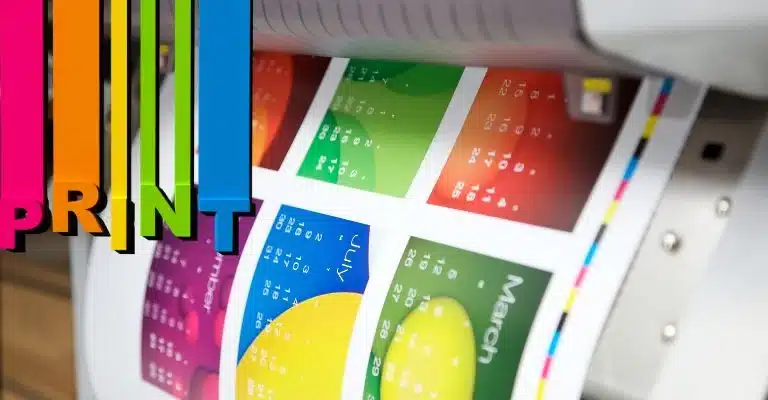
Longevity is also determined during production. Incorrect heat press settings, low quality ink, or mismatched ICC profiles weaken dye bonding. Many fading issues trace back to mistakes covered in common sublimation printing problems.
- Critical factors include:
- Compatible sublimation paper
- High quality sublimation ink
- Proper ICC color profiles
- Correct heat press temperature, pressure, and dwell time
How to Make Sublimation Prints Last Longer
1. Choose the Right Substrate
Always match your project to materials designed for sublimation. If you’re unsure what works best, this guide on best fabrics for sublimation breaks it down clearly.
2. Limit UV Exposure
For items meant to be displayed, positioning matters. Indoor placement dramatically extends print life, while outdoor placement should only be used with UV rated coatings, as discussed in how long do sublimation prints stay vibrant.
3. Wash and Clean Correctly
Improper washing is a silent killer of sublimation prints. Following proper care routines outlined in how to wash sublimation helps preserve color and sharpness.
For apparel:
- Wash inside out
- Use mild detergent
- Avoid bleach
- Air dry or use low heat
4. Store Prints Properly
Storage conditions matter just as much as usage. Long term storage tips for printed products are part of broader sublimation tutorials and guides, especially for businesses handling inventory or bulk orders.
Why Sublimation Prints Stay Vibrant So Long
The reason sublimation lasts so long comes down to chemistry. The dye transitions into a gas and embeds into the substrate at a molecular level, which is why sublimation behaves differently than surface based methods explained in introduction to sublimation printing.
There’s no ink layer to peel away, which means the design ages with the material itself.
How to Care for Sublimation Prints:
To ensure your sublimation prints stay vibrant for a long time, follow these care tips:
- Avoid exposing them to direct sunlight or extreme heat.
- Use gentle detergents and avoid harsh chemicals when washing them.
- Dry them on low heat or air dry them to prevent damage.
- Store them in a cool, dry place away from direct sunlight.
- Handle them with care to avoid scratches or peeling.
How to Make Sublimation Prints More Vibrant
Vibrant sublimation starts before you even press the design. The biggest improvements usually come from dialing in materials and settings, not changing the artwork.
- Use high quality sublimation ink and paper designed to release dye efficiently
- Print on white or very light polyester or properly coated blanks
- Apply the correct heat, pressure, and time so the dye fully gases and bonds
- Use the correct ICC color profile for your printer and ink combination
When sublimation looks flat, it’s often because the dye never fully bonded into the substrate.
How Do I Keep My Sublimation From Fading?
Sublimation fading is slow, but it can happen if prints are exposed to harsh conditions over time.
To keep prints looking new:
- Limit long term exposure to direct sunlight
- Wash apparel inside out using mild detergent
- Avoid bleach, fabric softeners, and harsh chemicals
- Air dry or use low heat instead of high dryer settings
- Store unused items in cool, dry spaces
Good care doesn’t just preserve color, it preserves clarity and sharp edges too.
Why Do My Sublimation Prints Look Dull?
Dull sublimation prints usually point to a process issue, not the design itself.
Common causes include:
- Printing on low polyester or incompatible materials
- Incorrect heat press temperature or press time
- Too little pressure during pressing
- Low quality ink or paper
- Missing or incorrect ICC color profiles
If colors look muted right after pressing, the dye likely didn’t reach full gas conversion.
Does Sublimation Fade Over Time?
Yes, sublimation can fade over time, but it fades much slower than most other print methods.
Because sublimation dye becomes part of the material rather than sitting on top:
- There is no cracking or peeling
- Fading happens gradually, not suddenly
- Indoor items can stay vibrant for decades
Most noticeable fading comes from UV exposure, extreme heat, or poor substrate choice, not normal use.
How Many Washes Do Sublimation Prints Last?
Sublimation prints are dyed into the fabric itself, not layered on top. Because of that, a properly produced sublimation garment can withstand hundreds of washes without cracking or peeling. Most real world polyester sublimation shirts remain visually strong after 300 to 500 standard home washes when basic care is followed.
Heat and chemicals are what shorten wash lifespan fastest. High dryer temperatures, bleach, and aggressive detergents slowly weaken dye molecules. Following proper sublimated products care keeps colors sharp far longer.
Wash Durability Overview
| Care Method | Expected Vibrancy Over Time |
|---|---|
| Cold or warm wash, mild detergent | Excellent after hundreds of washes |
| Low heat or air dry | Minimal color change |
| High heat drying | Gradual fading over time |
| Bleach or harsh chemicals | Accelerated fading |
Does Sublimation Last Longer on Fabric or Hard Goods?
Sublimation typically lasts longer on hard goods than on fabric. Apparel experiences constant fiber movement, friction, and washing, which slowly softens color over many years. Hard goods like mugs and metal panels have no fiber wear, allowing dye to remain locked in place longer.
Substrate quality plays a major role here, which is why understanding sublimation blanks and substrates is critical for long term durability.
Fabric vs Hard Goods Lifespan Comparison
| Sublimation Surface | Longevity Expectation |
|---|---|
| Polyester apparel | Decades with gradual softening |
| Ceramic mugs | Many years with daily use |
| Metal photo panels | Extremely long lasting indoors |
| Poorly coated blanks | Early fading possible |
Indoor vs Outdoor Sublimation Lifespan
Indoor environments protect sublimation dye from UV radiation, moisture, and temperature swings. That’s why indoor apparel, décor, and signage often stay vibrant for decades, as shown in long term sublimation print durability observations.
Outdoor exposure changes everything. Constant sunlight and weather stress break down dye molecules faster, even though the print itself remains bonded to the surface.
Indoor vs Outdoor Longevity Comparison
| Display Environment | Typical Sublimation Lifespan |
|---|---|
| Indoor, climate controlled | 40 to 100 years |
| Indoor near windows | Gradual fading over time |
| Outdoor, partial shade | 3 to 5 years |
| Outdoor, direct sun | 1 to 3 years |
Sublimation performs best indoors, where its color stability and durability truly shine.
Does Sublimation Fade in the Dryer?
Yes, sublimation can fade faster in the dryer, especially when exposed to high heat repeatedly. While the dye is permanently bonded into the fabric, excessive heat accelerates molecular breakdown over time. This doesn’t cause peeling or cracking, but it can slowly soften colors.
Low heat or air drying dramatically slows this process and is one of the easiest ways to extend print vibrancy. This is why dryer habits matter just as much as washing, a point reinforced in long term sublimated products care.
Dryer Impact on Sublimation Prints
| Drying Method | Long Term Effect on Color |
|---|---|
| Air dry | Best color preservation |
| Low heat dryer | Minimal fading over time |
| Medium heat dryer | Gradual softening of colors |
| High heat dryer | Faster fading and dulling |
Does Sublimation Crack or Peel Over Time?
No, sublimation does not crack or peel. This is one of its biggest advantages over vinyl, screen printing, and transfers. Sublimation dye becomes part of the material itself, so there is no ink layer to lift, split, or flake.
What some people mistake for cracking is actually color fading, which looks very different.
Sublimation vs Surface Prints Over Time
| Print Method | Cracking or Peeling | Fading Behavior |
|---|---|---|
| Sublimation | Never | Slow, gradual |
| HTV | Common | After cracking |
| Screen printing | Possible | After ink wear |
| DTG | No peeling | Faster fading |
What Causes Sublimation to Fade Faster Than Expected?
When sublimation fades early, the issue is almost always tied to materials or process errors, not the technology itself. Many premature failures trace back to avoidable mistakes covered in common sublimation printing problems.
The most common causes include using incompatible fabrics, under pressing, or low quality blanks with weak coatings.
Early Fading Causes and Impact
| Cause | Effect on Print |
|---|---|
| Low polyester content | Weak dye bonding |
| Incorrect press temperature | Incomplete dye transfer |
| Short press time | Dull or unstable colors |
| Cheap or damaged blanks | Uneven fading |
| Excessive UV exposure | Accelerated color loss |
Does Sublimation Ink Expire or Lose Strength Over Time?
Yes, sublimation ink does have a shelf life. While it doesn’t suddenly fail, old or improperly stored ink can lose color intensity, leading to dull or inconsistent prints.
Most sublimation inks perform best when used within 12 to 24 months of manufacture and stored in cool, dry conditions. Ink quality directly affects vibrancy, which is why choosing the best sublimation ink matters for long term results.
Sublimation Ink Lifespan Guide
| Ink Condition | Print Outcome |
|---|---|
| Fresh, properly stored ink | Strong, vibrant colors |
| Older but sealed ink | Slight color drop possible |
| Heat exposed ink | Noticeable dulling |
| Expired or contaminated ink | Inconsistent or faded prints |
These factors don’t affect whether sublimation bonds, but they strongly influence how vibrant and long lasting the final print appears.
How Long Do Sublimation Prints Last Compared to DTF?
DTF and sublimation behave very differently over time. Sublimation dye becomes part of the material, while DTF sits on top as a flexible film layer. That difference shows up clearly after repeated washing and wear.
DTF often looks great at first, especially on cotton, but over time it can crack, lift, or feel heavy. Sublimation doesn’t crack or peel, and fading happens much more gradually. These differences are explored further in DTF vs sublimation printing.
DTF vs Sublimation Durability Comparison
| Feature | Sublimation | DTF |
|---|---|---|
| Cracking or peeling | Never | Possible over time |
| Feel on fabric | No texture | Slight film feel |
| Wash durability | Hundreds of washes | Moderate to high |
| Long term fading | Slow | Faster once film degrades |
FAQs
Final Words:
Various factors, including the material, exposure to UV light, and temperature and humidity, can impact the durability of sublimation prints. To sum up, these factors can affect the longevity of the prints. By choosing the right material, avoiding exposure to UV light, storing prints correctly, and handling them with care, you can extend the life of your sublimation prints.
At Subli Genius Print, we use high-quality materials and advanced techniques to create vibrant and long-lasting sublimation prints.