
75GSM Jumbo Roll Sublimation Paper: Specs & Buying Guide

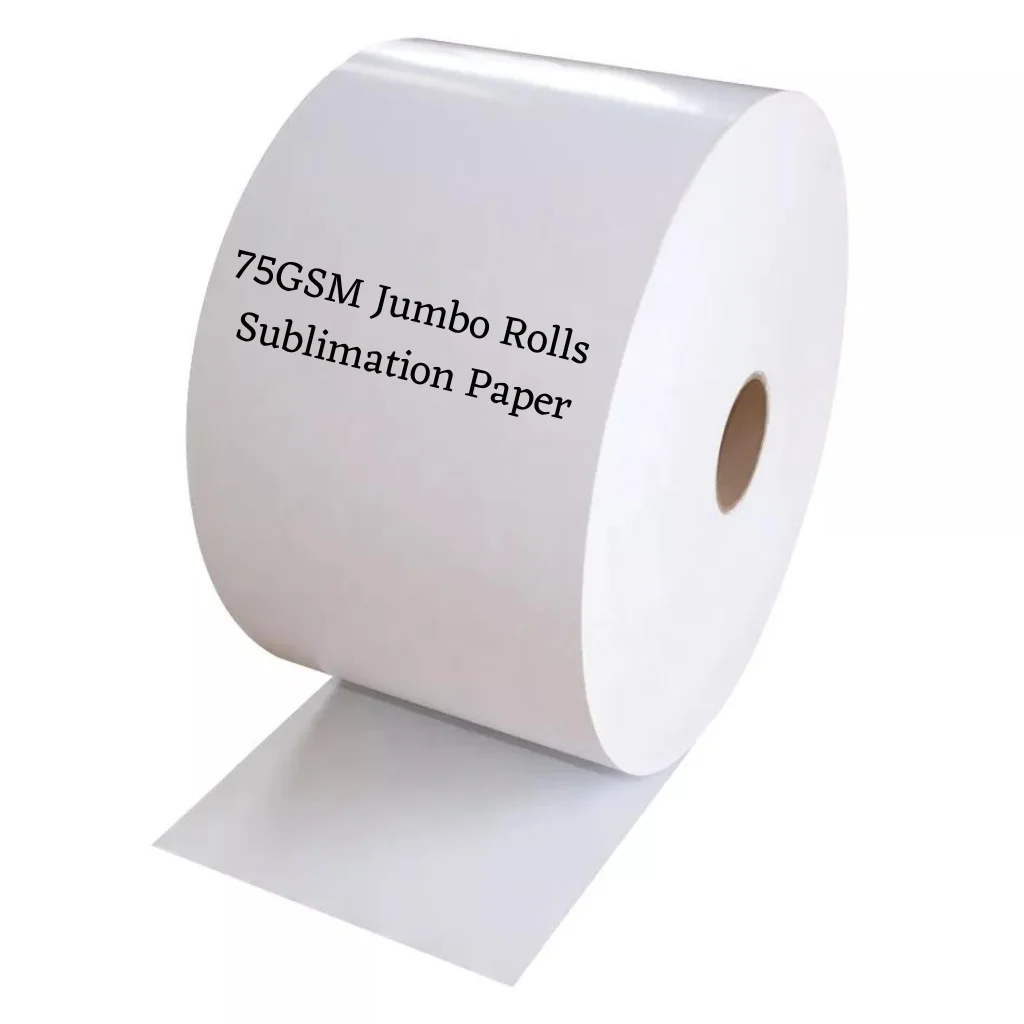
75GSM jumbo-roll sublimation paper can suit production workflows that need long continuous runs and lower roll changes. GSM measures paper basis weight; it does not, by itself, guarantee transfer quality, ink capacity, jam-free feeding, or savings. Before ordering, confirm roll width, length, core and maximum diameter, coating, ink load, drying behavior, printer support, and return terms with the supplier.
For a new paper or printer combination, test a sample using your actual ink, print profile, artwork coverage, and transfer blank. Check feeding and tracking, drying, cockling or curl, ink release, color after pressing, and waste before committing to a large roll quantity.
This guide explains where a 75GSM roll may fit, what to verify in the product specification, and how to troubleshoot common production problems.
What Is 75GSM Sublimation Paper?
GSM means grams per square meter and describes basis weight, not thickness by itself. Coating, paper construction, moisture, and supplier tolerances also affect how a roll behaves. A 75GSM paper should be judged by its documented coating, ink capacity, drying, transfer performance, and the feed limits of your printer.
Whether a 75GSM roll feeds reliably depends on the printer’s supported media width, roll diameter, core, tension, and paper path. The transfer press acts on the paper and substrate together; do not assume paper weight alone determines heat resistance or transfer quality.
Why 75GSM is Ideal for Sublimation:
- Lower basis weight: May reduce paper mass per square meter, but feed reliability depends on roll construction, tension, printer setup, and media limits.
- Test roll handling: Check whether the paper tracks straight and resists cockling, curling, or tearing in your own workflow.
- Substrate-specific: Match the paper and ink to the blank and transfer setup; a paper suitable for one workflow may not suit another.
Benefits of 75GSM Sublimation Paper
- Lightweight Yet Durable:
- Thin enough for smooth printing but strong enough to withstand the heat press.
- Perfect for high-speed, high-volume printing.
- Excellent Ink Absorption:
- Transfer color and detail depend on the paper coating, ink, color profile, artwork, substrate, and press settings—not GSM alone.
- Ideal for photo-quality designs and intricate patterns.
- Cost-Effective for Bulk Printing:
- Compare price per usable printed area, including roll length, width, shipping, waste, and failed transfers; heavier paper is not automatically more expensive per finished item.
- Great for businesses looking to maximize profits without sacrificing quality.
Comparison: 75GSM vs. Other Weights
| Paper weight | What weight alone tells you | What to compare in testing |
|---|---|---|
| 75GSM | Lower basis weight than 90GSM or 120GSM | Feeding, tracking, drying, curl, ink load, release, and transfer results on your setup |
| 90GSM | Higher basis weight than 75GSM | Whether the added paper body improves handling for your job and still fits printer media limits |
| 120GSM | Higher basis weight than 75GSM and 90GSM | Whether stiffness and handling suit the printer path and artwork coverage; confirm supported media specs |
Why Choose Jumbo Rolls?
If you’re printing in bulk, jumbo rolls are a no-brainer. These oversized rolls of sublimation paper are designed to handle high-volume projects with ease, saving you time, money, and hassle. Here’s why they’re a must-have for serious sublimation pros:
Advantages of Jumbo Rolls
- Perfect for High-Volume Projects:
- Whether you’re printing hundreds of t-shirts, mugs, or posters, jumbo rolls keep you stocked without constant reloading.
- Ideal for businesses with tight deadlines and large orders.
- Reduces Waste and Cost Per Print:
- Buying in bulk lowers the cost per sheet, making jumbo rolls a budget-friendly choice.
- Less frequent paper changes mean fewer scraps and less downtime.
- Compatible with Wide-Format Printers:
- Designed for compatible roll-fed printers only; verify the exact model’s supported width, core, diameter, and media weight before ordering.
- A sample run can reveal tracking, skew, curl, or feeding issues before you load a production roll.
Use Cases: Who Benefits Most?
- Small Businesses: Save on costs while meeting high demand for custom apparel, mugs, and more.
- Event Decor Companies: Print large batches of banners, tablecloths, and signage without breaking a sweat.
- Custom Apparel Brands: Produce vibrant, durable designs on t-shirts, hoodies, and leggings at scale.
- Promotional Product Suppliers: Create branded items like tote bags, coasters, and phone cases in bulk.
Key Features to Look For
Sublimation paper is not the same, and when it comes to 75GSM jumbo rolls, there are a few essential features to keep in mind. These qualities will ensure that you receive the best results every time, regardless of your level of experience.
1. Compatibility
- Why It Matters: Your sublimation paper needs to work seamlessly with your printer to avoid jams, misprints, and wasted materials.
- What to Look For:
- Verify the exact printer model supports the roll width, core, outside diameter, thickness, and roll weight. Check the printer manual and the paper supplier’s spec sheet; a brand name alone does not establish roll compatibility.
- Smooth feeding and consistent performance, even at high speeds.
2. Ink Absorption
- Why It Matters: Poor ink absorption leads to smudged, faded, or uneven transfers.
- What to Look For:
- High-quality 75GSM paper that absorbs ink evenly for vibrant, photo-quality designs.
- Minimal bleed-through, even with intricate patterns or dark colors.
3. Durability
- Why It Matters: Thin paper can tear during printing or heat pressing, ruining your design and wasting materials.
- What to Look For:
- Lightweight yet sturdy paper that resists tearing and jamming.
- Can withstand high heat and pressure without curling or warping.
4. Storage
- Why It Matters: Improper storage can degrade the paper’s coating, leading to poor transfers.
- What to Look For:
- Store rolls in a cool, dry place away from direct sunlight.
- Keep them in their original packaging or a sealed container to prevent moisture damage.
- Use a roll holder or dispenser to avoid creases and tears.
Compare Paper Rolls by Specification
Brand names alone do not confirm that a roll will work in your printer. Compare the exact SKU and written specifications before ordering:
- Paper width, roll length, core diameter, and maximum outside diameter
- Basis-weight tolerance, coating type, recommended ink load, and drying guidance
- Supported printer/media configurations and any required paper profile or settings
- Sample availability, minimum order, shipping cost, storage guidance, and return policy
- Transfer results using your own ink, artwork, substrate, and heat-press workflow
Where to Buy
- Subli Genius Print: Review the current product listing for available roll dimensions, pricing, shipping, and bulk-order terms; request the technical specification and a sample when available.
- Amazon: A convenient option for smaller orders with fast shipping.
- Wholesale Distributors: Ideal for large-scale buyers needing bulk discounts (e.g., Conde Systems, Joto).
How to Use 75GSM Jumbo Rolls Effectively
Now that you have your 75GSM jumbo rolls, what’s next? Setting up your printer and heat press correctly and knowing how to troubleshoot common issues is crucial to getting the most out of your sublimation paper. Let’s break it down step by step.
Printer Setup: Loading Jumbo Rolls
- Prepare Your Printer:
- Confirm the printer is designed for roll media and that the roll width, core, outside diameter, and weight are within the manufacturer’s limits.
- Check that you’re using sublimation ink—regular ink won’t work.
- Load the Roll:
- Place the jumbo roll on the printer’s roll holder, ensuring it unrolls smoothly.
- Load the roll and identify the coated print side according to the paper supplier’s instructions; print-side orientation varies by product and printer path.
- Adjust the paper guides to prevent skewing or jams.
- Test Print:
- Run a small test print to check alignment, color accuracy, and ink absorption.
Heat Press Settings: Flawless Transfers
- Use the time, temperature, pressure, and transfer procedure specified for the exact substrate, ink, and press. Sublimation settings differ for polyester fabric, coated hard goods, and different blanks.
Pro Tip: Always use a Teflon sheet or parchment paper to protect your design and heat press plate.
Troubleshooting Tips
- Ink Bleeding:
- Cause: Too much ink or incorrect paper coating.
- Fix: Confirm the correct media profile and ink limits, allow adequate drying, and test the paper’s coating and transfer settings. Change one variable at a time and consult the printer and paper supplier guidance.
- Paper Jams:
- Cause: Improper loading or low-quality paper.
- Fix: Ensure the roll is loaded correctly and use a brand known for smooth feeding, like A-Sub or Hiipoo.
- Faded Transfers:
- Cause: Insufficient heat or pressure.
- Fix: Increase temperature or pressure slightly and ensure your heat press is evenly calibrated.
- Residue on Transfers:
- Cause: Poor-quality paper or incorrect peeling technique.
- Fix: Use a high-quality paper like TexPrint R and peel while hot or cold, depending on the brand’s instructions.
Cost Savings: Bulk Buying Tips
If you’re running a high-volume sublimation business, buying in bulk isn’t just a smart move—it’s essential. 75GSM jumbo rolls are already cost-effective, but purchasing them in bulk can save you even more. Here’s how to maximize your savings and keep your paper in top condition.
Why Buy in Bulk?
- Save Up to 30–40%: Bulk orders often come with significant discounts, reducing your cost per sheet.
- Fewer Interruptions: With a large supply on hand, you won’t run out of paper mid-project.
- Consistent Quality: Buying from the same supplier ensures uniformity in your prints.
Storage Solutions for Jumbo Rolls
Storing jumbo rolls properly is key to maintaining their quality and avoiding waste. Here’s how to do it right:
- Cool, Dry Place: Keep rolls away from humidity, heat, and direct sunlight to prevent coating degradation.
- Original Packaging: Store rolls in their original plastic wrap or a sealed container to protect them from dust and moisture.
- Roll Holders: Use a roll holder or dispenser to prevent creases, tears, and unrolling.
- Vertical Storage: If space allows, store rolls vertically to reduce pressure on the edges.
Where to Find Deals
- Subli Genius Print: Check the current listing or request a quote for available dimensions, current pricing, shipping, and bulk terms. Confirm printer compatibility against the roll specification before ordering.
- Wholesale Suppliers: Check out distributors like Conde Systems or Joto for competitive pricing on large orders.
- Online Retailers: Amazon and Walmart often have deals on bulk packs, especially during sales events.
Explore the world of Subli Genius Print with our comprehensive guide, for more information or a step-by-step how-to guide.



One Comment