
What Are Sublimated Jerseys? (Complete Beginner Guide)

If you’ve ever seen a sports jersey with bright colors, detailed graphics, and no cracking or peeling, chances are it was sublimated. For related planning, see How to Sublimate Mugs.
But what exactly does that mean?
Sublimated jerseys are one of the most popular choices for teams, brands, and creators because they offer durability, comfort, and unlimited design flexibility.
In this guide, you’ll learn what sublimated jerseys are, how they’re made, and whether they’re the right choice for your needs.
What Are Sublimated Jerseys? (Quick Definition)
Sublimated jerseys are jerseys printed using dye sublimation, where the ink becomes part of the fabric instead of sitting on top.
During the process, heat turns the ink into gas, which bonds directly with polyester fibers. This creates a design that won’t crack, peel, or fade easily.
If you’re new to how this works, this sublimation printing guide explains the full process in simple terms.
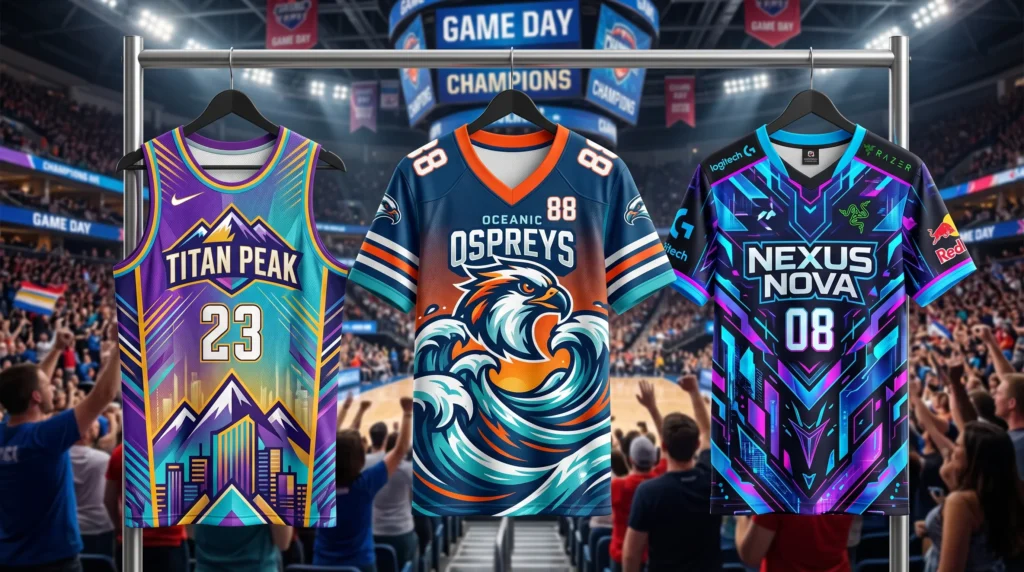
How Are Sublimated Jerseys Made?
Sublimated jerseys go through a specific production process that ensures long-lasting results.
Step-by-step process:
- The design is created digitally
- It is printed onto sublimation transfer paper
- The design is heat pressed onto polyester fabric
- The ink turns into gas and bonds with the fibers
- The printed fabric is cut and sewn into a jersey
This process is important because the design becomes part of the material, not just a layer on top.
That’s why sublimated jerseys feel smooth and lightweight.
What Materials Are Used for Sublimated Jerseys?
Sublimated jerseys are almost always made from polyester.
Why polyester?
- It allows proper ink bonding
- It holds vibrant colors
- It is lightweight and breathable
- It dries quickly
Other fabrics like cotton or nylon do not work well with sublimation.
To understand fabric compatibility, check this sublimation materials guide before choosing your blanks.
Benefits of Sublimated Jerseys
Sublimated jerseys are popular for a reason. They offer several practical advantages.
Key benefits:
- No cracking or peeling
The design becomes part of the fabric - Lightweight feel
No heavy layers or textures - Unlimited design options
Full-color, edge-to-edge printing - Long-lasting prints
Designs stay vibrant after many washes - Breathable and comfortable
Ideal for sports and active wear
These features make sublimation a top choice for performance apparel.
Sublimated Jerseys vs Screen Printed Jerseys
Choosing the right method depends on your needs.
| Feature | Sublimated Jerseys | Screen Printed Jerseys |
|---|---|---|
| Durability | Very high | Medium |
| Feel | Smooth (no texture) | Slightly raised ink |
| Design flexibility | Unlimited colors | Limited colors |
| Best for | Complex designs | Simple bulk designs |
Screen printing can still be useful, but sublimation wins when it comes to detail and comfort.
Sublimated Jerseys vs Heat Transfer Vinyl (HTV)
HTV is another common method, but it works differently.
Key differences:
- HTV sits on top of the fabric
- Sublimation becomes part of the fabric
- HTV is thicker and can feel heavier
- Sublimation is lighter and more breathable
For large, detailed designs, sublimation is usually the better choice.
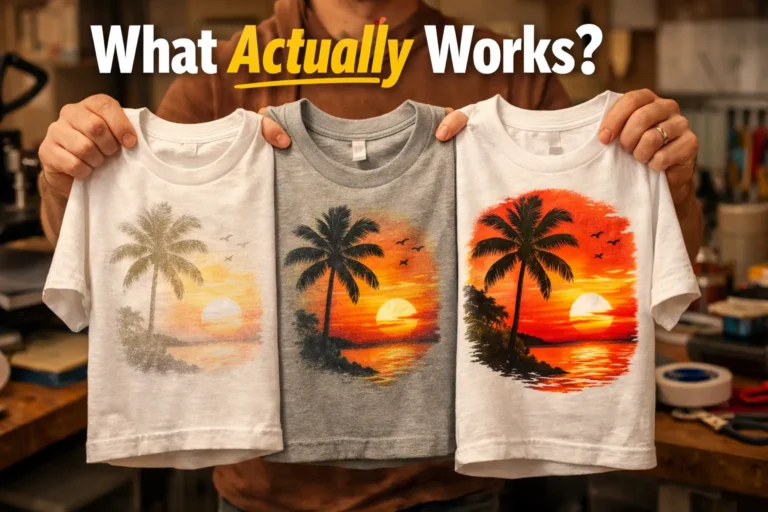
Image suggestion:
Side-by-side close-up of sublimated jersey vs screen print vs HTV showing texture differences.
Common Uses for Sublimated Jerseys
Sublimated jerseys are used across many industries.
Popular applications:
- Sports teams (football, basketball, soccer)
- Esports teams
- School uniforms
- Custom merchandise
- Cycling and running apparel
Their flexibility makes them suitable for both personal and commercial use.
Are Sublimated Jerseys Good for Everyday Wear?
Yes, but it depends on your preference.
Pros:
- Lightweight and comfortable
- Breathable fabric
- Easy to maintain
Cons:
- Polyester feel may not suit everyone
- Less “cotton-like” softness
For active or casual wear, they work very well.
Common Mistakes When Ordering or Making Sublimated Jerseys
Many beginners make avoidable mistakes.
Common issues:
- Choosing the wrong fabric
- Using low-resolution designs
- Ignoring color settings
- Not accounting for seams in design
These can lead to poor print quality or misaligned graphics.
Tips for Designing High-Quality Sublimated Jerseys
If you want professional results, focus on design quality.
Practical tips:
- Use high-resolution artwork (300 DPI)
- Extend designs beyond cut lines (bleed area)
- Consider seam placement carefully
- Use correct color profiles for printing
If your colors don’t look right, improving your sublimation color accuracy can make a big difference.
Frequently Asked Questions
Do sublimated jerseys fade over time?
No, the design is embedded into the fabric, so it stays vibrant for a long time with proper care.
Can you sublimate on cotton jerseys?
No, sublimation requires polyester or a polymer coating to work properly.
Are sublimated jerseys breathable?
Yes, they are lightweight and designed for airflow, making them ideal for sports.
How long do sublimated jerseys last?
They can last for years without cracking or peeling if cared for properly.
Are sublimated jerseys better than screen printing?
For detailed designs and comfort, sublimation is usually the better option.