
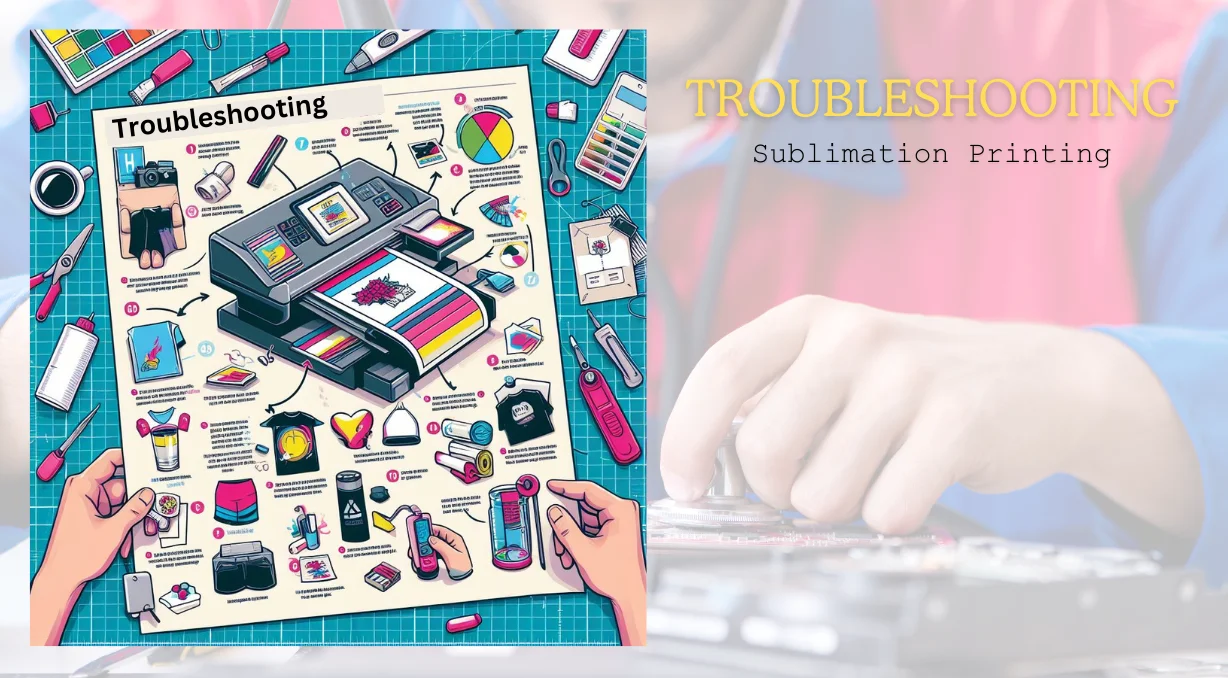
50/50 Cotton-Polyester Sublimation Problems?

Sublimating on 50/50 cotton-polyester shirts sounds like a great compromise. You get the soft feel of cotton with some polyester for sublimation.
In reality, this blend causes more confusion, faded prints, and disappointment than almost any other fabric.
This guide explains why 50/50 sublimation behaves the way it does, what problems are normal, what can be improved, and when it’s better to choose a different option.
What Results You Should Expect From 50/50 Sublimation
Sublimation on 50/50 cotton-polyester is not broken, but it is limited by design.
If you:
- Understand the material
- Lower expectations
- Adjust settings carefully
You can achieve a consistent vintage look.
If you need bold, professional prints, switch to polyester or an alternative method.
Can You Sublimate on 50% Cotton and 50% Polyester?
Yes, but with limitations.
Sublimation ink only bonds permanently with polyester fibers, not cotton. On a 50/50 blend, only half the fabric accepts the ink. The rest stays untouched.
That’s why results often look:
- Faded
- Washed-out
- Vintage or distressed
If you’re new to how sublimation actually works, start here first:
What Is Sublimation Printing?
Why Sublimation Doesn’t Stick Well to 50/50 Polyester Blends
This is the root of almost every problem.
Sublimation ink:
- Turns into gas under heat
- Bonds with polyester molecules
- Does nothing to cotton fibers
On a 50/50 shirt:
- Polyester fibers absorb dye
- Cotton fibers remain blank
The result is uneven color and reduced vibrancy. This isn’t a settings issue. It’s a material limitation.
What Goes Wrong With Sublimation on 50/50 Shirts
These are the most common issues people report, and why they happen.
Faded or Washed-Out Colors
Only half the fibers hold dye. Even perfect settings won’t match 100% polyester.
Uneven or Patchy Prints
Fabric weave and fiber distribution vary across the shirt, causing inconsistent ink absorption.
Ink Bleeding or Shadowing
Excess heat causes ink vapor to spread, especially when cotton fibers don’t absorb it.
Fading After Washing
Cotton areas never bonded with ink, so fading becomes more noticeable over time.
For a broader breakdown of print failures, this guide helps diagnose related issues: 10 Common Sublimation Printing Problems Solved
50/50 Cotton-Polyester Sublimation Temperature and Time
Many people think higher heat fixes fading. It usually makes things worse.
Recommended Starting Settings
| Setting | Range |
|---|---|
| Temperature | 375–385°F |
| Time | 30–40 seconds |
| Pressure | Medium, even |
Why lower heat helps:
- Reduces ink spread
- Prevents scorching
- Limits over-vaporization
Always test. Every press and shirt behaves differently.
For a reliable reference, use this guide: Sublimation Heat Press Temperature Guide
Common Sublimation Mistakes That Make 50/50 Results Worse
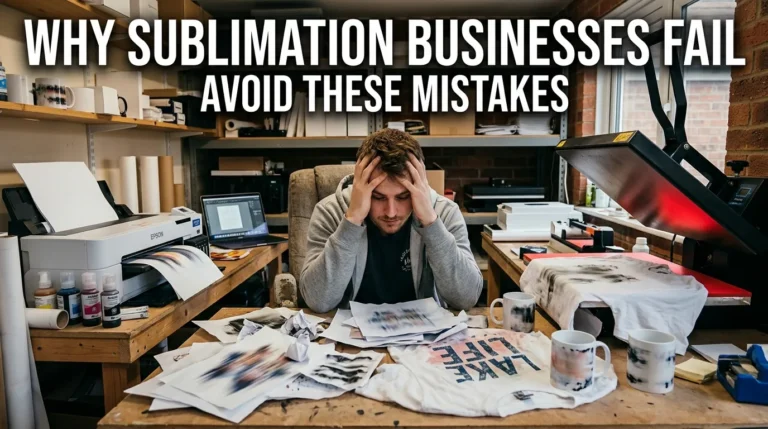
These mistakes show up repeatedly in failed projects.
- Pressing too hot
- Pressing too long
- Expecting full vibrancy
- Using pillows incorrectly
- Skipping moisture removal
If you’re troubleshooting multiple failures, this resource connects the dots:
Troubleshooting Guide for Sublimation Printing
Does Sublimation Spray Help on 50/50 Cotton-Poly Blends?
Sometimes, but with trade-offs.
What Sublimation Spray Does
- Adds a temporary coating
- Allows more ink to sit on cotton fibers
Downsides
- Stiffer fabric feel
- Reduced wash durability
- Inconsistent results
Spray can improve brightness slightly, but it does not turn cotton into polyester.
Will 50% Cotton and 50% Polyester Shrink?
Yes, especially under high heat.
Shrinkage risks include:
- Design distortion
- Alignment issues
- Increased fading visibility
How to Reduce Shrinkage
- Pre-press the shirt for 5–10 seconds
- Use moderate temperatures
- Avoid excessive pressure
50/50 vs 100% Polyester for Sublimation
This comparison explains why professionals rarely choose blends.
| Feature | 50/50 Blend | 100% Polyester |
|---|---|---|
| Color Vibrancy | Low | High |
| Durability | Medium | Excellent |
| Wash Resistance | Moderate | Strong |
| Print Consistency | Unpredictable | Reliable |
| Best Use | Vintage look | Professional results |
If long-term quality matters, polyester wins every time. Polyester Sublimation Guide
Is Sublimation on 50/50 Worth It?
It depends on your goal.
50/50 Makes Sense If:
- You want a faded, retro look
- Soft feel matters more than color
- You’re doing personal projects
Avoid 50/50 If:
- You sell products
- You need bright colors
- You want consistent results
Better Alternatives to Sublimating on 50/50 Shirts
If 50/50 keeps disappointing you, these options work better.
100% Polyester Shirts
Best results, highest durability.
Sublimation Printable Iron-On
Lets you use cotton and dark fabrics with better color control.
How Sublimation Printable HTV Works
DTF or HTV
More versatile for cotton, but different feel and workflow.
Visual Comparison: 50/50 Cotton-Polyester vs 100% Polyester Sublimation Results
What You’re Seeing in These Results
At first glance, sublimation on a 50/50 shirt can look acceptable. But when you compare it side by side with 100% polyester, the differences become obvious.
50/50 Cotton-Polyester Sublimation
- Colors appear lighter and muted
- Design often looks vintage or washed
- Inconsistent saturation across the print
- Fading becomes more noticeable after washing
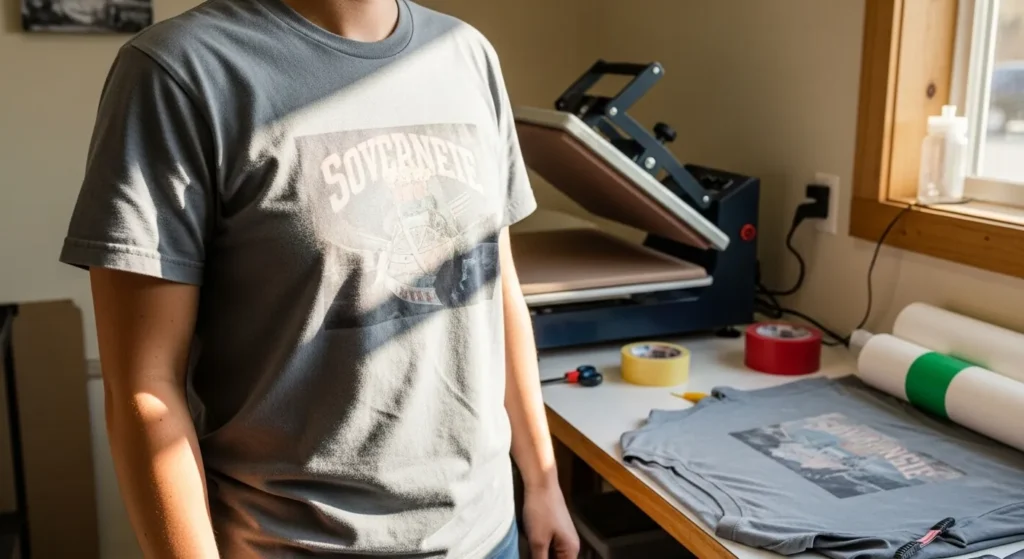
This happens because only the polyester fibers bond with sublimation ink. The cotton fibers remain undyed.
100% Polyester Sublimation
- Bright, vibrant colors
- Sharp details and clean edges
- Even ink absorption across the fabric
- Strong wash durability over time
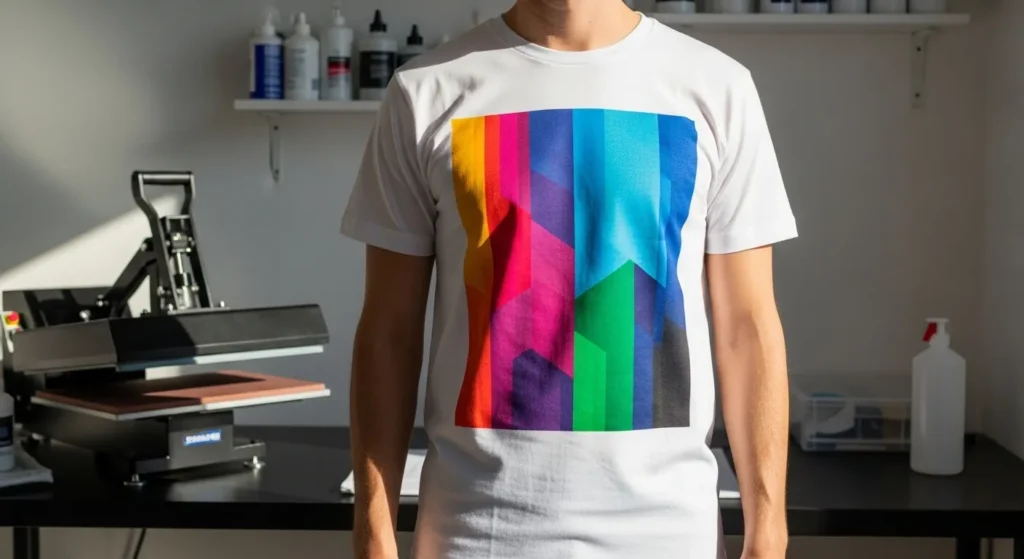
Polyester fully accepts sublimation dye, which is why it’s the industry standard.
Quick Visual Takeaway
| Feature | 50/50 Blend | 100% Polyester |
|---|---|---|
| Color vibrancy | Low to medium | High |
| Consistency | Uneven | Uniform |
| Vintage look | Yes | No |
| Long-term durability | Moderate | Excellent |
| Best use case | Soft, faded style | Professional prints |
Before vs After Washing: What Changes With 50/50 Sublimation
Before Washing (Right Off the Heat Press)
- Colors look as good as they’re ever going to get
- Contrast is acceptable, especially on light designs
- The vintage look can feel intentional at this stage
- Polyester fibers are fully dyed, cotton fibers are not
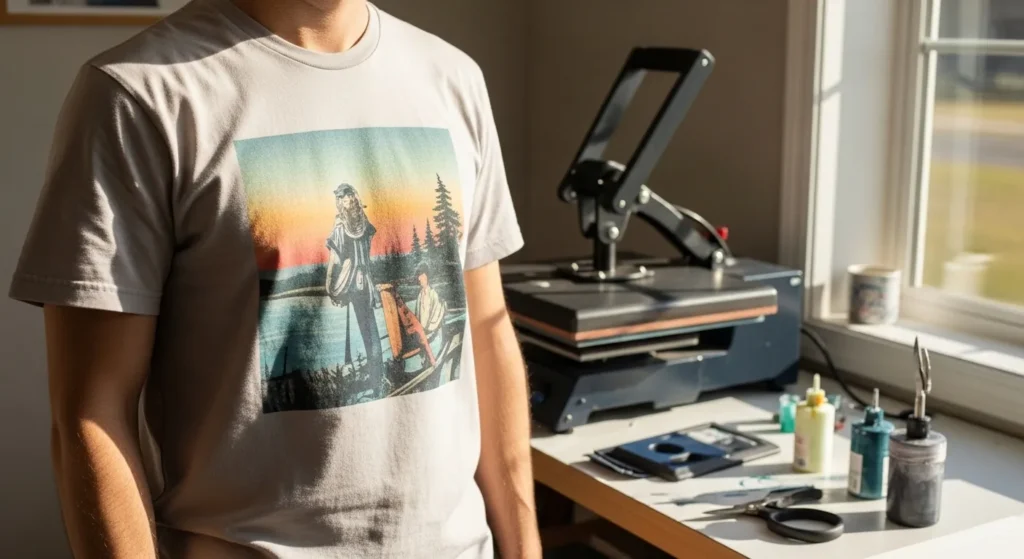
This is the moment many people think, “Hey, this worked.”
After Washing (1–5 Wash Cycles)
- Colors appear noticeably lighter
- Fine details lose contrast
- The print blends more into the fabric
- Any unevenness becomes more obvious
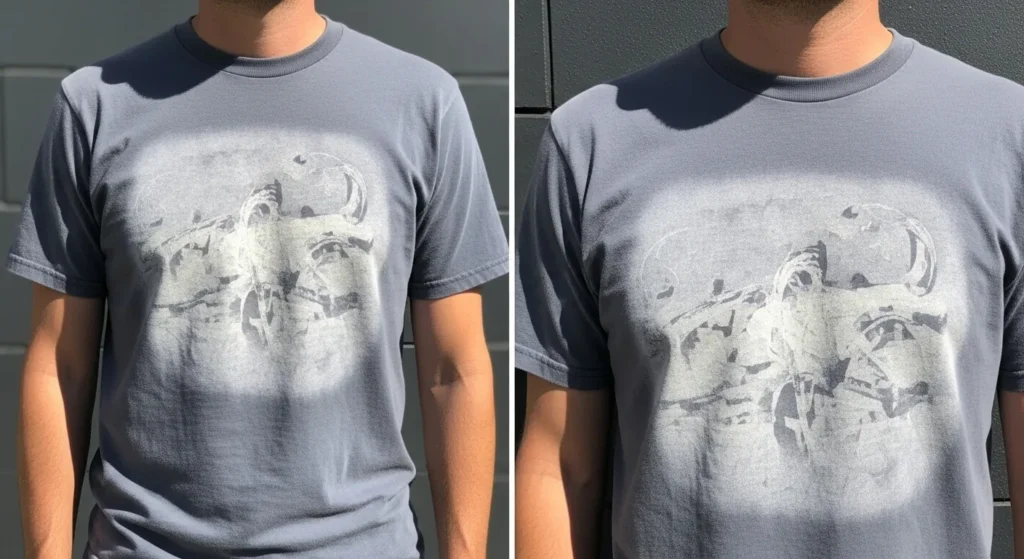
This isn’t the ink washing out. It’s the cotton fibers revealing themselves over time.
Why Washing Affects 50/50 More Than Polyester
- Sublimation dye is locked into polyester, not cotton
- Cotton fibers stay their original color forever
- Washing removes surface residue and softens fabric
- The contrast between dyed and undyed fibers increases
On 100% polyester, there’s no contrast shift, so prints stay vibrant.
How to Reduce Fading After Washing (Realistic Tips)
You can’t completely stop fading on 50/50 cotton-polyester sublimation, but you can slow it down by controlling heat, timing, and wash care.
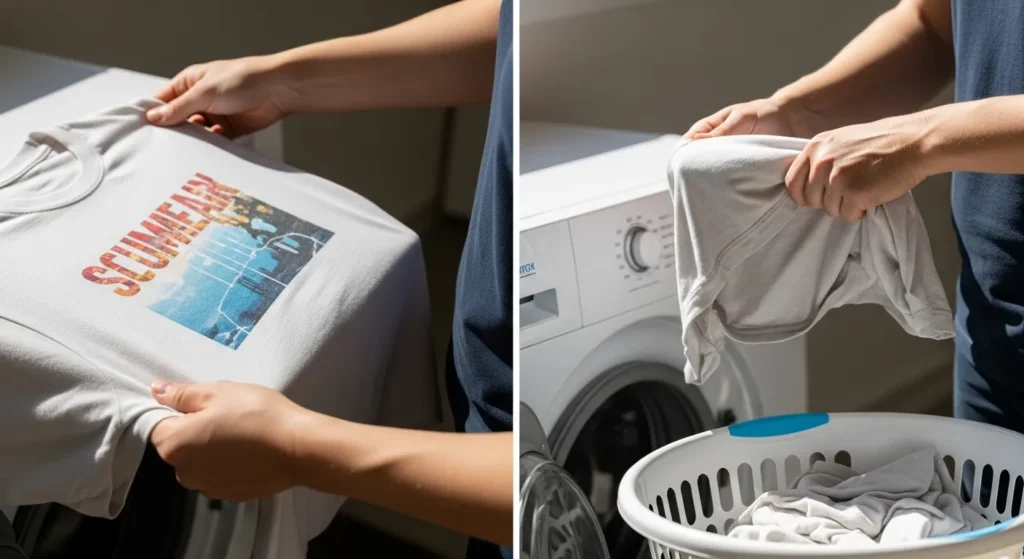
Before pressing
- Pre-press the shirt to remove moisture from the fabric
- Use moderate heat rather than maximum temperature
- Avoid pressing longer than recommended to reduce over-vaporization
After pressing
- Wait at least 24 hours before washing the garment
- Wash the shirt inside out
- Use cold water only
- Avoid fabric softener
- Tumble dry on low heat or hang dry
These steps help preserve contrast and slow visible fading, but they will not make a 50/50 blend perform like 100% polyester.
Quick Reality Check
| Fabric | After Wash Result |
|---|---|
| 50/50 cotton-poly | Softer, lighter, more vintage |
| 100% polyester | Nearly unchanged |
| Sublimation printable iron-on | Slight texture change, color stays |
The Honest Takeaway
If your design must:
- Stay bold
- Stay high-contrast
- Look the same after 10+ washes
Then 50/50 is the wrong fabric.
If you’re aiming for:
- A worn-in look
- Soft hand feel
- Casual or personal wear
Then 50/50 can work, as long as expectations are set early.
Problem 1: Faded Colors
- It’s the Blend: Cotton fibers don’t bond with sublimation ink in the same way that polyester does. This means colors won’t be as saturated on a 50/50 blend. It’s a trade-off for the softer feel!
- Tips to Boost Vibrancy:
- Optimize Settings: Start with a slightly lower temperature (around 375-385°F] and a shorter press time (30-40 seconds) than you’d use on 100% polyester. Gradually experiment to see what works best for you.
- The Right Ink Matters: Some inks may work better with blends. If you have options, look for those that might handle cotton blends better.
- Choose Your Paper Wisely: Use paper designed for fabric blends, it might help the ink transfer slightly better.
Can You Sublimate on 50/50 Cotton-Polyester Blends? The Honest Answer + Tips
Problem 2: Ink Bleeding
- What’s Happening: During sublimation, the ink can vaporize and spread beyond your design, especially with blends.
- Techniques to Prevent Bleeding:
- Simple Barriers Place a sheet of parchment paper or a Teflon sheet inside the shirt to stop the ink from transferring to the back.
- Ditch the Pillow: Teflon pillows can cause the ink to re-vaporize and blur around your design. Opt for a flat press if possible.
Troubleshooting Checklist
- Are my temp and time right for 50/50?
- Am I using the best paper for my blend?
- Is there a barrier inside my garment to prevent bleeding?
- If I’m using a Teflon pillow, could that be the issue?

Every sublimation setup is slightly different. The key to success on 50/50 blends is experimentation. Don’t be afraid to make small adjustments to heat, time, and materials until you find what delivers the best results for you. With a little practice, you’ll be rocking the vintage sublimation look in no time!
Additional Notes from User Data
- The data mentioned inconsistency in 50/50 results. You could include a note about how fabric weave and other factors within blends can influence the outcome.
- Washing is inevitable. Reiterate that gentle wash cycles can help minimize long-term fading.
Troubleshooting Guide for Sublimation Printing.
FAQ:
Can you sublimate on 50/50 cotton-poly?
Yes, but results will be lighter and less durable than polyester.
Why does it fade so fast?
Because cotton fibers don’t bond with sublimation ink.
Can I make it brighter?
Slightly, with lower heat and testing, but never like polyester.
Will it last after washing?
Expect gradual fading, even with gentle care.
Is sublimation spray worth it?
Sometimes, but it adds trade-offs in feel and longevity.



2 Comments