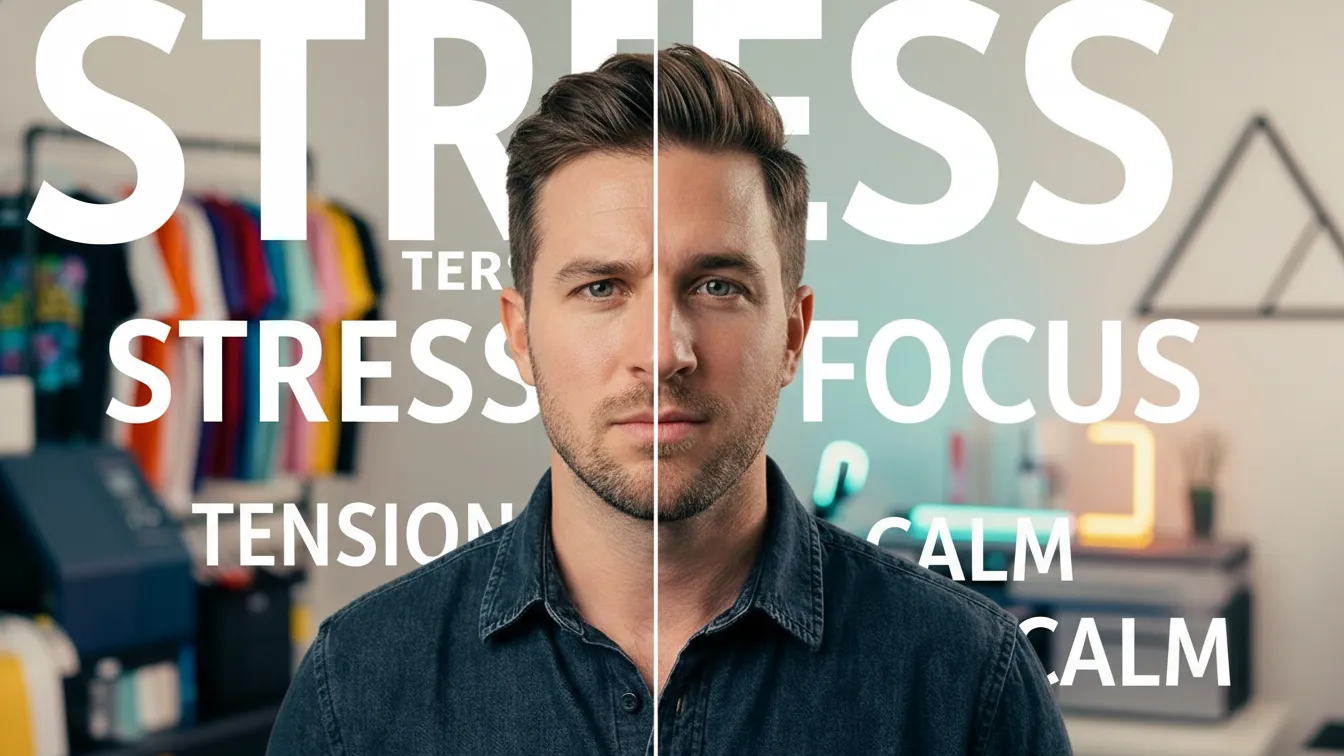
Emotional Sublimation in Psychology, Why It Works and How You Can Use It

Emotional sublimation is one of the healthiest defense mechanisms in psychology. Learn how it works, why it helps you redirect intense feelings, and simple ways to apply it in daily life.
I didn’t realize how often I was turning stress into productivity until someone told me that was sublimation.
And it made me wonder why channeling tough emotions into the right outlet feels so grounding and almost effortless once you get the hang of it.

Here’s a quick look at what emotional sublimation really is and how it can help you handle feelings without stuffing them down.
What Emotional Sublimation Really Means
Emotional sublimation is a psychological process where you take a strong or uncomfortable emotion and channel it into something constructive. You are not ignoring the feeling. You are changing where it goes.
In psychology, sublimation is considered a mature defense mechanism because it lets you express emotion without harming yourself or others. Anger turns into motivation. Anxiety turns into focus. Desire turns into creativity.
If you want a deeper breakdown of how this fits into mental health frameworks, this explanation of sublimation in psychology helps connect the theory to everyday behavior:
sublimation in psychology
Emotional Sublimation vs Other Defense Mechanisms
| Defense Mechanism | What Happens Emotionally | Example |
|---|---|---|
| Sublimation | Emotion is redirected into a healthy action | Anger turned into exercise |
| Displacement | Emotion shifts to a safer target | Yelling at family after work stress |
| Suppression | Emotion is pushed down consciously | Ignoring sadness to stay busy |
| Repression | Emotion is buried unconsciously | Forgetting painful memories |
| Projection | Emotion is blamed on others | Accusing others of anger you feel |
How Sublimation Works in Your Brain
When emotions spike, your brain looks for relief. If there’s no healthy outlet, it stores tension in your body or pushes it out sideways through irritability, shutdown, or impulsive behavior.
Sublimation works because it gives your nervous system a release valve. You still feel the emotion, but your brain associates it with action instead of threat.

This is why people often feel calmer after writing, exercising, cleaning, or creating something. The emotion moves through you instead of getting stuck.
Psychologists explain this as redirection rather than suppression. You stay aware of what you feel while choosing a safer output.
Common Emotions and Sublimation Outlets
| Emotion | Typical Feeling | Healthy Sublimation Outlet |
|---|---|---|
| Anger | Tension, heat, urgency | Sports, cleaning, intense workouts |
| Anxiety | Restlessness, worry | Planning, journaling, organizing |
| Sadness | Heaviness, withdrawal | Art, music, writing |
| Desire | Drive, longing | Creative work, learning skills |
| Frustration | Irritation, pressure | Problem solving, building projects |
Real Life Examples of Emotional Sublimation
Most people practice sublimation without realizing it. Here are some common examples you might recognize.
- Feeling angry and going for a hard workout
- Turning heartbreak into music, art, or writing
- Channeling stress into organizing or planning
- Using nervous energy to study or build a skill
Classic psychology textbooks often mention four clear patterns.
- Aggression redirected into sports
- Sexual energy expressed through creativity
- Anxiety transformed into productivity
- Frustration released through problem solving
You can see more everyday scenarios like this in these real life examples of sublimation in daily life:
real life examples of sublimation
Sublimation in Daily Life Examples
| Situation | Emotional Trigger | Sublimated Response |
|---|---|---|
| Work pressure | Fear of failure | Skill building or overtime focus |
| Breakup | Loss, rejection | Music, gym routine, personal growth |
| Conflict | Anger or hurt | Reflection before communication |
| Boredom | Restlessness | Creative hobbies or learning |
Sublimation vs Displacement and Other Defense Mechanisms
Sublimation is often confused with displacement, but they’re not the same.
Displacement moves emotion from the original source to a safer target, like snapping at family after a bad day at work. Sublimation changes the form of the emotion itself, not just the target.
Here’s a simple way to tell the difference.
- Displacement still causes harm or tension
- Sublimation creates something useful or healthy
Other mechanisms like projection or repression avoid the emotion entirely. Sublimation keeps it conscious and intentional.
This comparison explains how sublimation differs from suppression in mental health and why the outcome feels so different:
sublimation vs suppression in mental health
How to Practice Emotional Sublimation on Purpose
You don’t have to wait for sublimation to happen by accident. You can train it.
Start with awareness.
- Name the emotion
- Notice where it sits in your body
- Decide how much energy it carries
Then choose an outlet that matches the intensity.
- High energy emotions work well with movement
- Heavy emotions pair better with writing or art
- Restless emotions calm down through structure
The key is letting the emotion fuel the activity instead of trying to erase it.
These practical sublimation techniques break down how to redirect emotions safely and consistently:
sublimation techniques
Sublimation in Therapy
Therapists use sublimation intentionally, especially in long term emotional work.
Instead of telling you to stop feeling something, therapy helps you understand the emotion and find healthier expressions for it. This is common in psychodynamic therapy, CBT, and trauma informed approaches.
Sublimation is especially helpful for:
- Chronic anxiety
- Unprocessed grief
- Anger linked to boundaries
- Trauma related emotional overload
It allows progress without emotional shutdown.
This overview shows how sublimation fits into therapy and mental health support:
sublimation as a defense mechanism
Sublimation in Therapy and Mental Health
| Area | How Sublimation Helps | Why It Matters |
|---|---|---|
| Anxiety | Redirects nervous energy | Reduces rumination |
| Trauma | Creates safe emotional outlets | Prevents overwhelm |
| Anger | Channels intensity safely | Protects relationships |
| Addiction recovery | Replaces urges with actions | Builds new habits |
Sublimation in Relationships
In relationships, sublimation helps prevent emotional spillover.
Instead of reacting impulsively, you redirect emotional energy into reflection, communication, or self regulation. That’s what keeps conflict from turning destructive.
Healthy relationship sublimation looks like:
- Taking space before responding
- Writing thoughts before discussing them
- Using creative or physical outlets after conflict
Unhealthy sublimation happens when emotions are avoided instead of processed. The balance matters.
This guide explains how sublimation shows up in emotional dynamics between people:
sublimation psychology explained simply
Sublimation in Relationships
| Emotional Moment | Unhealthy Reaction | Sublimated Reaction |
|---|---|---|
| Argument | Silent treatment | Writing thoughts before talking |
| Jealousy | Accusations | Self reflection, confidence work |
| Stress | Emotional withdrawal | Physical or creative release |
| Disappointment | Passive aggression | Honest but calm communication |
Sublimation in Addiction and Impulse Control
Sublimation plays a big role in recovery and impulse management.
Cravings don’t disappear just because you resist them. Sublimation helps by giving the urge a different direction, like movement, creativity, or structure.
Instead of fighting impulses, you reroute the energy behind them. Over time, the brain learns new reward pathways.
This is why many recovery programs encourage hobbies, routines, and physical outlets.
You can see how sublimation supports impulse control in this mental health focused resource:
mental health in sublimation
Sublimation in Art, Philosophy, and Culture
Long before modern psychology, philosophers talked about transforming desire into meaning.
Artists often describe their work as emotional release. Pain becomes beauty. Confusion becomes insight. That’s sublimation in action.
Freud later formalized this idea, but modern psychology sees it less as moral transformation and more as emotional regulation.
It’s not about elevating emotions, it’s about moving them safely.
This cultural and psychological angle shows how sublimation appears beyond therapy rooms:
sublimation psychology hacks
The Opposite of Sublimation
The opposite of sublimation is emotional suppression or avoidance.
When emotions are pushed down without an outlet, they usually resurface as stress, burnout, physical symptoms, or sudden emotional reactions.
Suppression feels calm in the short term but creates tension long term. Sublimation releases pressure while keeping awareness intact.
This comparison explains what happens when emotions are blocked instead of redirected:
opposite of sublimation
Healthy vs Unhealthy Sublimation
| Type | What It Looks Like | Long Term Effect |
|---|---|---|
| Healthy | Emotion acknowledged and expressed | Emotional balance |
| Unhealthy | Emotion avoided through overwork | Burnout |
| Balanced | Emotion processed then redirected | Growth and stability |
Sublimation Techniques for Managing Emotions
Emotional sublimation techniques focus on redirecting intense feelings into healthy and productive actions. Instead of suppressing emotions, you consciously guide their energy toward activities that reduce stress and improve emotional balance.

This approach works best when you acknowledge what you feel first, then choose an outlet that matches the intensity of that emotion. High energy emotions need movement, while heavier emotions respond better to creative or reflective outlets.
Step by Step Sublimation Techniques
Step 1: Identify the emotion
Pause and name what you’re feeling. Anger, anxiety, sadness, frustration, or desire. This awareness keeps the emotion from leaking out unconsciously.
Step 2: Notice emotional intensity
Ask yourself how strong the emotion feels. Mild, moderate, or intense. This helps you choose the right outlet instead of forcing calm too early.
Step 3: Choose a matching outlet
Use physical movement for high energy emotions. Use writing, art, or music for heavier emotions. Use structured tasks for restless or anxious energy.
Step 4: Engage fully in the activity
Let the emotion fuel the action. Focus on the movement, the sound, or the task. Avoid multitasking so the emotion can fully release.
Step 5: Reflect briefly after
Check how your body and mind feel afterward. This reinforces the brain’s association between emotional awareness and healthy relief.
When to Use Sublimation Techniques
- During emotional overload
- After conflict
- When urges or impulses rise
- When stress feels stuck in the body
Emotional Sublimation Examples and Psychological Comparisons
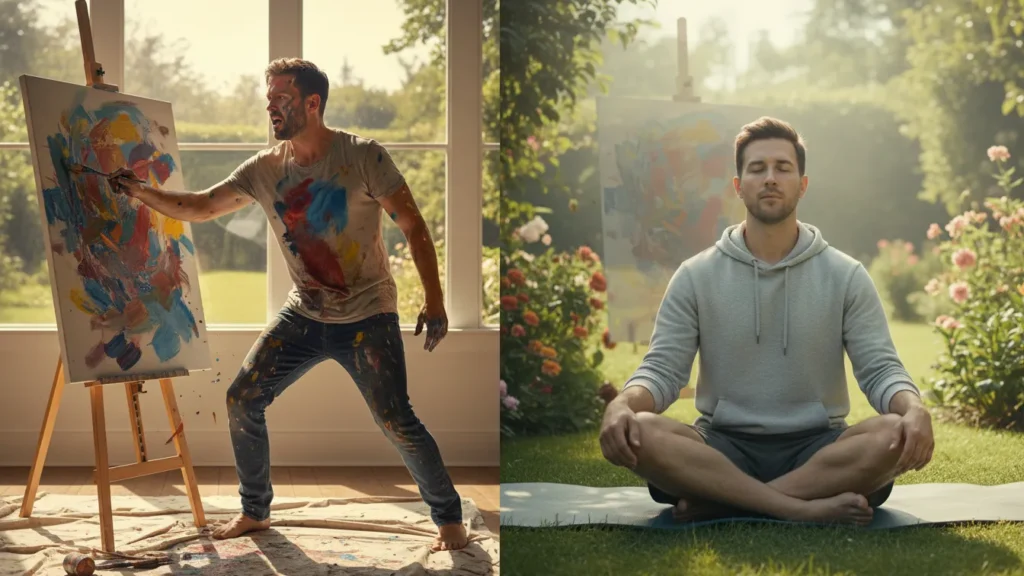
Emotional sublimation appears in everyday behavior and psychological patterns. These examples show how emotions are redirected rather than suppressed, making them useful instead of destructive.
This list also helps compare sublimation with other defense mechanisms so the differences are clear.
Common Examples of Emotional Sublimation
- Turning anger into intense physical exercise
- Channeling anxiety into planning or organization
- Using sadness as motivation for art or writing
- Redirecting desire into creative or intellectual work
Sublimation Compared to Other Defense Mechanisms
- Sublimation transforms emotional energy into healthy action
- Displacement shifts emotion to a safer target
- Suppression hides emotion without releasing it
- Projection assigns emotions to others
Sublimation stands out because it maintains emotional awareness while changing how the emotion is expressed.
Where These Patterns Commonly Appear
- Work and productivity habits
- Creative expression
- Relationships and communication
- Therapy and emotional regulation practices
Final Thoughts on Making Sublimation a Daily Habit
Emotional sublimation isn’t about being productive all the time. It’s about respecting your emotions enough to give them a safe place to go.
Once you start noticing how emotions fuel behavior, you gain choice. That choice is what turns emotional intensity into strength instead of stress.