
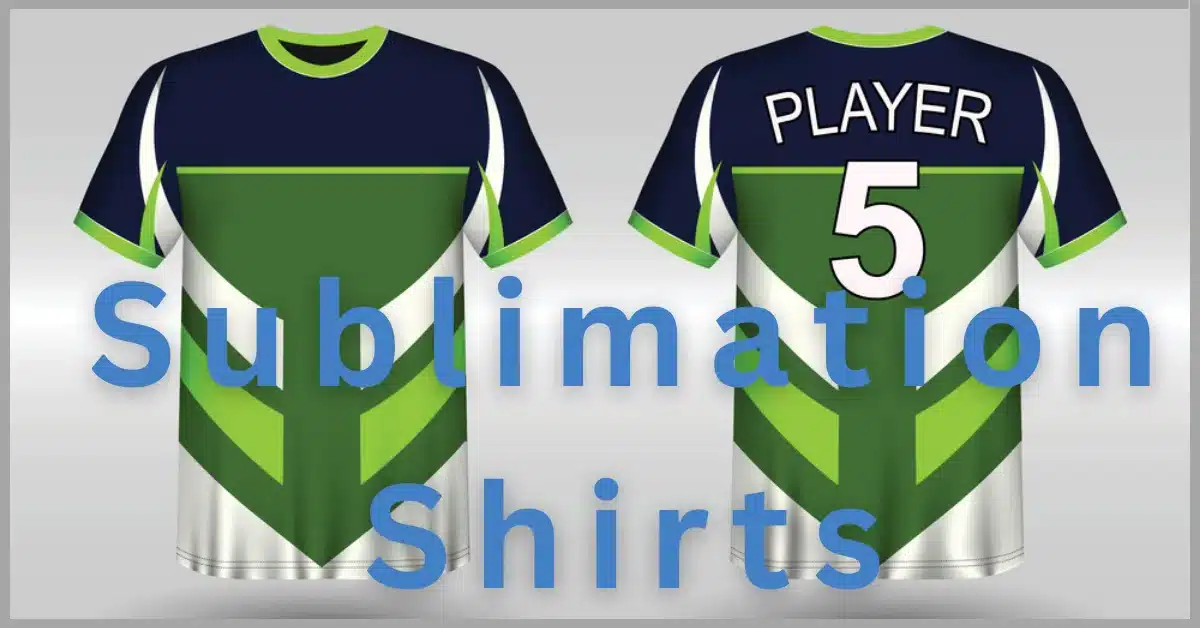
Sublimation Shirts: Best Fabrics, Colors & Printing Tips

They look printed, but they don’t feel printed. And once you understand why, sublimation shirts start to make a lot more sense.
Quick Answer: Which Shirt Should You Buy?
For bright, predictable results, start with a white or pale shirt that has a high polyester content and is sold as sublimation-ready. More polyester usually means stronger color; blends may create a softer, heathered look. Standard sublimation ink is transparent and does not print white. Test an unfamiliar blank before producing a batch.
What Are Sublimation Shirts?
Sublimation shirts are garments where the design doesn’t sit on top of the fabric like vinyl or screen print. Instead, the ink becomes part of the shirt itself.
Here’s the simple version:
- Special sublimation ink is printed onto transfer paper
- Heat and pressure turn that ink into a gas
- The dye diffuses into suitable polyester fibers
- Result: the color is within the fiber, but its appearance still depends on the blank, process and care
Because the dye enters the polyester fibers, a correctly made sublimation print typically has little raised feel and does not peel like a surface film. It is not immune to fading, scorching or fabric wear; results depend on the blank, process and care.
How Sublimation Shirts Work (Without the Science Headache)
The Sublimation Process, Explained Simply
During heat transfer, sublimation dye turns to gas and diffuses into suitable polyester fibers. Follow the settings from the ink, paper and blank suppliers; there is no single temperature and time for every shirt.
What this means for you:
- No raised texture
- No heavy ink layers
- No stiffness on the shirt
The design feels just like the fabric because it is the fabric.
What Fabrics Actually Work for Sublimation Shirts?
This part matters more than most people realize.
Standard dye sublimation is designed for polyester or polyester-coated substrates. Untreated cotton does not bond durably with standard sublimation dye; specialty systems may support other fabrics, so check the system maker’s specifications.
Best Fabric Options
| Shirt composition | Likely sublimation result | Best fit |
|---|---|---|
| 100% polyester | Usually the most vivid and consistent when the blank is light-colored and sublimation-ready. | Bright graphics, photos and teamwear. |
| Polyester-rich blend (for example, around 65/35) | Only the polyester fibers take standard sublimation dye; the print may look softer or vintage, depending on the fabric and process. | When a softer hand feel matters and a muted look is acceptable. |
| 50/50 polyester-cotton blend | Can produce a more faded or heathered result; test the exact shirt because knit, finish and color matter too. | Intentional vintage-style designs, not color-critical work. |
| Untreated cotton | Standard sublimation dye will not bond durably to cotton fibers. | Choose a different print method or a compatible specialty system. |
There is no universal polyester cutoff that guarantees a particular result. Treat percentages as a guide, check the blank maker’s specifications, and test the exact shirt before accepting customer orders.
For the most predictable color, start with a white or very light, high-polyester blank labeled for sublimation. Standard sublimation ink is transparent and does not print white, so dark shirt color can overwhelm or alter the design. Cotton does not bond with standard sublimation dye; blends can look softer or vintage. See Can You Sublimate on Different Materials?
Can You Sublimate on Cotton or Dark Shirts?
Not with standard direct-to-polyester sublimation alone. For a dark or cotton garment, either switch to a light polyester blank or use a compatible specialty transfer system that provides an opaque base, following that system’s instructions. If you want the garment printed directly without a specialty sublimation layer, compare DTF, DTG or screen printing. Test first: these methods have different feel, color, cost and production requirements.
How to Make a Sublimation Shirt (Step-by-Step)
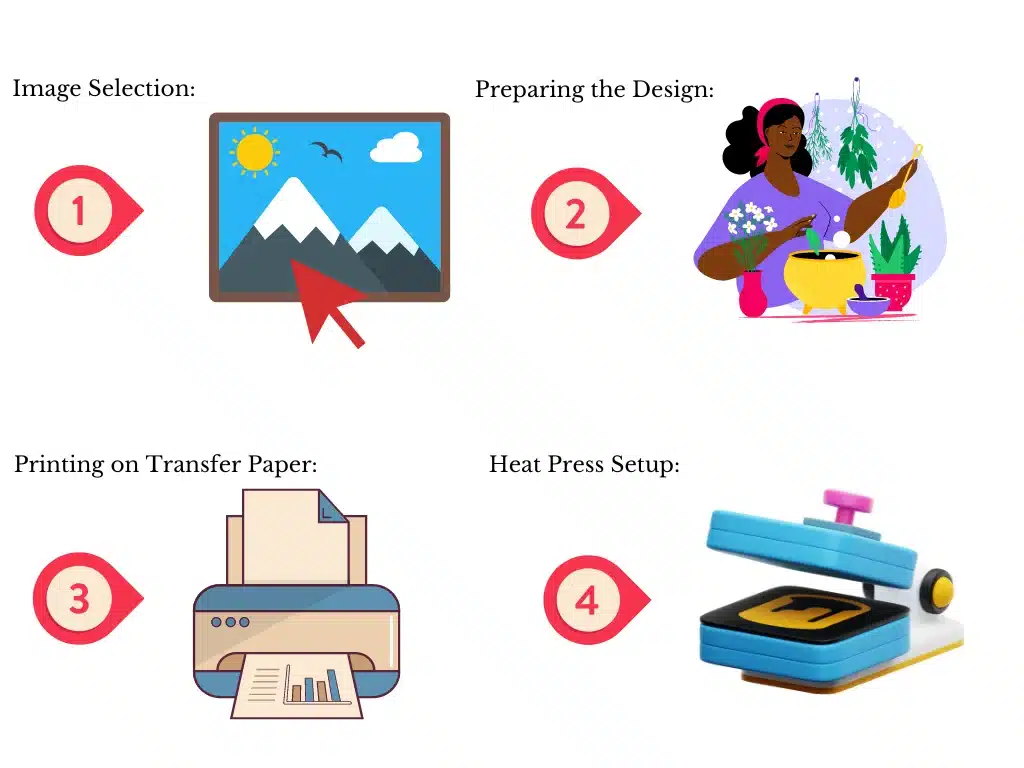
Making a sublimation shirt isn’t complicated once you know the order. The key is using the right materials and applying heat correctly so the design bonds with the fabric.
Step 1: Choose the Right Shirt
For bright, predictable results, start with a white or light-colored shirt with high polyester content and confirm it is suitable for sublimation. A blend may produce a softer, muted or vintage look. Standard sublimation on untreated cotton is not wash-durable.
Step 2: Prepare Your Design
Create or select a high-resolution image using your design software. Before printing, mirror the design, since sublimation transfers are applied face down.
Step 3: Print the Sublimation Transfer
Load sublimation transfer paper into your sublimation printer and print the mirrored design using sublimation ink. Let the print dry for a few seconds before handling.
Step 4: Position the Transfer on the Shirt
Lint-roll the shirt, then place it flat on the press. Put protective paper inside the garment to help prevent dye transfer to the back. Place the printed transfer face down and secure it with heat-resistant tape without stretching the fabric.
Step 5: Apply Heat and Pressure
Use the time, temperature and pressure recommended for your transfer, ink and blank; there is no universal setting for every combination. Incorrect settings can cause pale color, scorching or press marks. Test an unfamiliar shirt first and keep a record of settings that work.
Step 6: Cool and Reveal the Design
Remove the transfer according to the paper or blank instructions, lifting it cleanly rather than sliding it across the shirt. Sliding can cause a shadow or ghost image. Inspect the result before producing a batch.
Troubleshooting Common Sublimation Shirt Problems
- Washed-out color: First check fiber content, shirt color and whether the blank is sublimation-ready. Then verify the print mode/color profile and supplier-recommended time, temperature and pressure.
- Ghosting or blurred edges: Keep the transfer from shifting with suitable tape or tack spray, and lift it cleanly after pressing instead of sliding it.
- Shiny marks, scorching or press lines: Check press temperature accuracy and even pressure; use only the protective materials and settings specified for that garment.
- Dye on the back: Put clean protective paper inside the shirt and replace it if dye transfers.
- Colors look wrong: Remember that the shirt color shows through transparent sublimation ink and white areas remain the fabric color. Print a small color test before a large run.
Press settings are starting points, not universal recipes. For example, Sawgrass’s polyester-fabric setting is a guide; follow the recommendations for your exact blank, ink and paper, and confirm the press is calibrated.
How Sublimation Prints Compare
Sublimation dye bonds with polyester rather than forming a thick surface film. That changes the print feel, but it does not make the garment or color immune to wear.
Key Advantages
- Little added surface texture when correctly transferred to suitable polyester
- No surface film to crack or peel like some transfer methods; the garment and color can still wear or fade
- Can support all-over designs when produced as a compatible cut-and-sew garment; a standard shirt transfer is not edge-to-edge
- Print adds little film-like weight; breathability and comfort depend on shirt fabric and construction
That’s why sublimation is the go-to method for athletic jerseys, branded uniforms, and full-coverage designs.
Real-World Uses for Sublimation Shirts
You’ve probably worn one without realizing it.
- Sports jerseys and team apparel
- Event and festival shirts
- Custom brand merch
- Photo-realistic graphic tees
- Company uniforms that need to last
Sublimation can suit polyester teamwear and full-color designs, but the right method depends on garment fiber, color, order size, feel and budget.
Comfort Is the Secret Bonus
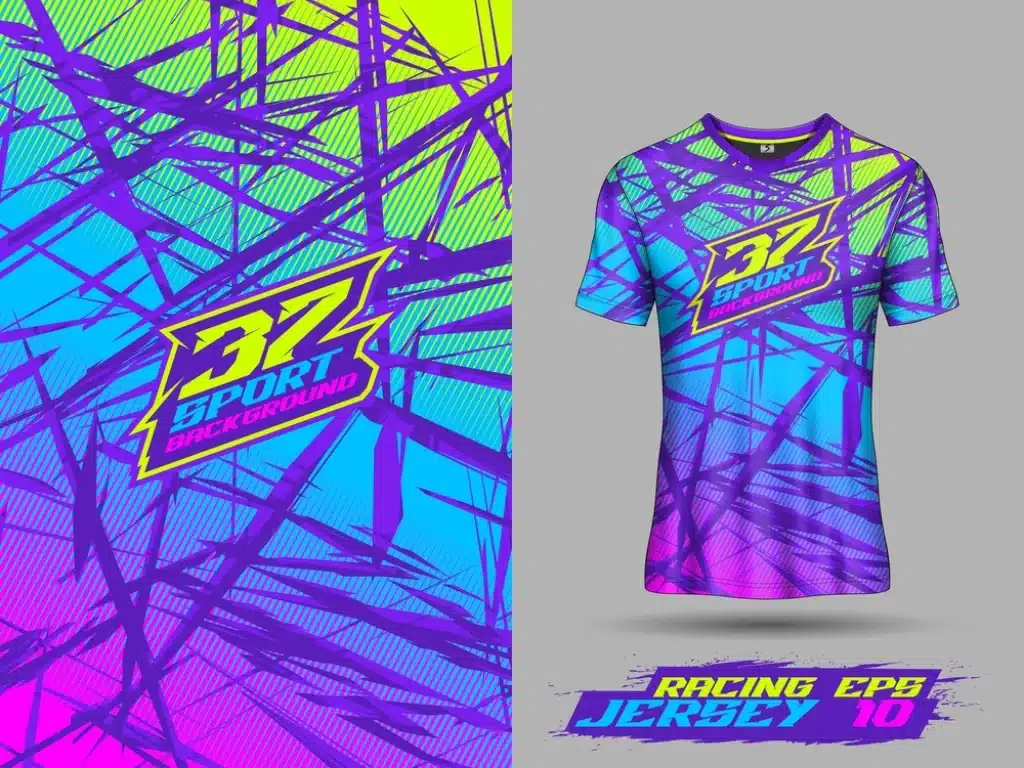
Sublimation usually adds little raised texture compared with a film transfer. The fabric itself still determines softness, stretch and breathability.
- Little raised print texture compared with many film transfers
- Fabric feel and flexibility depend on the blank
- Fit and movement depend on the garment construction
Some people prefer the low-profile print feel for activewear, but comfort and breathability depend on the garment fabric, fit and construction.
How to Care for Sublimation Shirts (So They Last Years)
Follow the garment label and blank supplier’s care instructions. These general habits may help, but they cannot guarantee a particular print lifespan.
Washing
- Turn shirts inside out
- Use the wash temperature recommended on the garment care label
- Use a suitable detergent; follow the care label for bleach and additives
Drying
- Air dry when possible
Ironing
- Rarely needed
- Avoid ironing directly over the design; follow the garment maker’s heat-care instructions
For print setup, color accuracy, and heat-related details, this resource is helpful: Sublimation Printer Settings
Environmental Considerations
Environmental impact depends on ink, energy, substrate, pretreatment, production volume and waste. Sublimation is not automatically eco-friendly; evaluate the full process and verify supplier claims.
Do not assume a print method is environmentally preferable based on a single attribute such as ink type or low visible runoff. Consider the garment, energy use, consumables, waste and supplier documentation for the full production process.
Why Sublimation Shirts Stand Out
Sublimation is a useful option for vivid designs on suitable light polyester garments. It is not ideal for every fabric, color or order.
If you want:
- Bright color on white or light polyester
- Little raised print texture
- Custom full-color artwork on compatible garments
For cotton or dark garments, another print method may be a better fit. Match the process to the shirt and the look you want.
Common Myths About Sublimation Shirts
Myth: Sublimation works on any shirt
Truth: It needs polyester or a poly coating
Myth: The design will fade eventually
Truth: The dye bonds with polyester, but fading and fabric wear still depend on material, process and care
Myth: Sublimation feels plastic
Truth: The print usually adds little raised texture; the shirt itself still has its own feel
Frequently Asked Questions (FAQs)
Can I wear sublimation shirts every day?
Yes, if the garment suits your needs. Follow its care label; print and fabric wear depend on materials, production and washing.
Do sublimation shirts work for adults too?
Yes. The same fabric and color considerations apply to adult sizes; check the garment content, fit and care instructions.
Can I make my own design?
Usually, yes. Check file quality, color and mirroring before printing. White portions print as the shirt color because standard sublimation does not print white ink.
Do sublimation shirts shrink?
It depends on fabric and garment construction. Follow the care label; polyester content alone does not guarantee a shirt will never shrink or change shape.
Are sublimation shirts good for businesses?
They can work well for full-color designs on suitable light polyester apparel. For cotton, dark shirts or small runs, compare DTF, DTG and screen printing before choosing.
What percentage polyester is best for sublimation?
For the most vivid, consistent result, choose a light, sublimation-ready shirt with as much polyester as practical. Blends can work, but only their polyester fibers take standard dye, so the result may look more muted. There is no guaranteed cutoff; test the exact blank.
Can I sublimate on a dark shirt or cotton shirt?
Not with standard direct sublimation alone. Use a light polyester blank, a compatible specialty system with an opaque base, or another method such as DTF, DTG or screen printing.
How can I get a softer or more cotton-like shirt?
Look for cotton-feel polyester or a polyester-rich blend. Expect a possible trade-off: blends can give a softer hand but a less vivid or more vintage-looking print.
For more reading about Sublimation Printing, or more about Buyer Guide.



5 Comments