
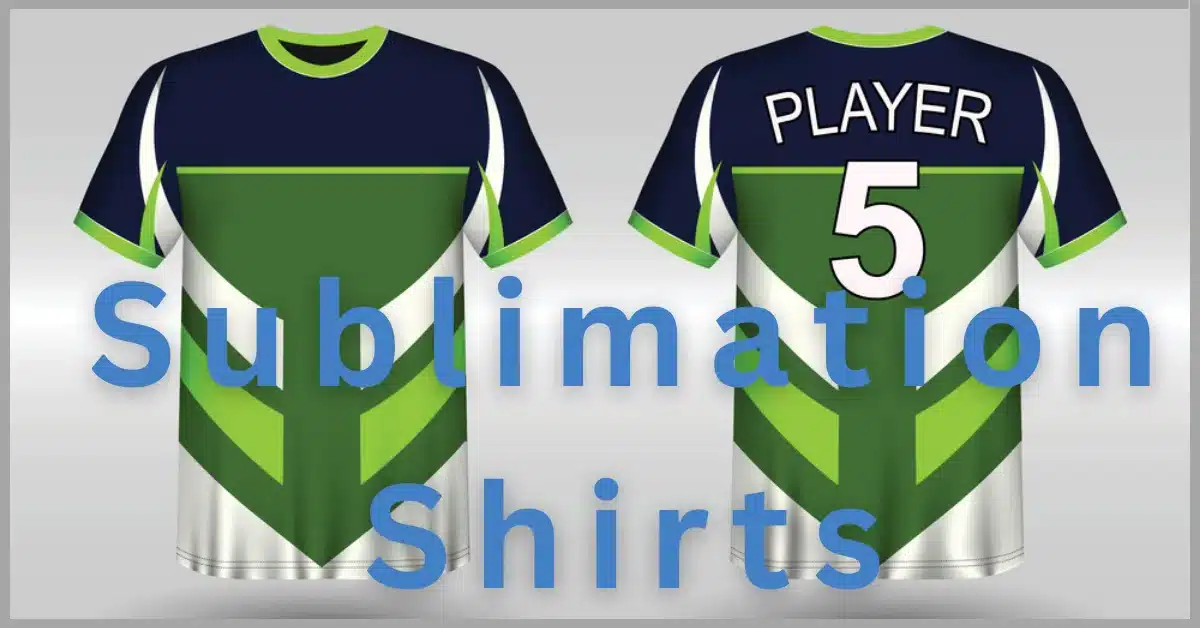
Sublimation Shirts: Colorful Designs That Truly Become the Fabric

They look printed, but they don’t feel printed. And once you understand why, sublimation shirts start to make a lot more sense.
What Are Sublimation Shirts?
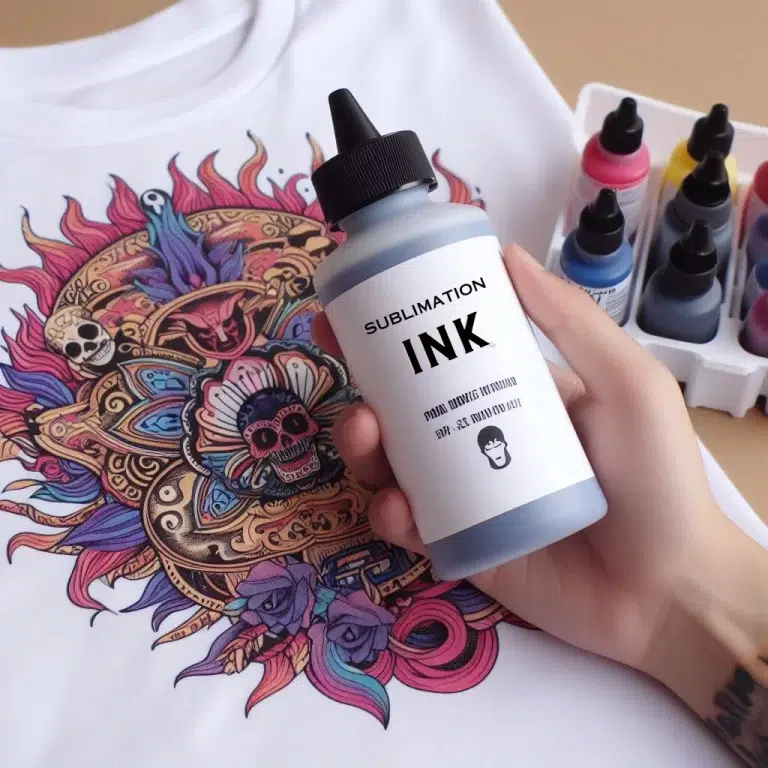
Sublimation shirts are garments where the design doesn’t sit on top of the fabric like vinyl or screen print. Instead, the ink becomes part of the shirt itself.
Here’s the simple version:
- Special sublimation ink is printed onto transfer paper
- Heat and pressure turn that ink into a gas
- The gas bonds directly with polyester fibers
- The design becomes permanent inside the fabric
That’s why sublimation shirts feel soft, never crack, and don’t peel, even after years of wear.
How Sublimation Shirts Work (Without the Science Headache)
The Sublimation Process, Explained Simply
Sublimation is a physical change where solid ink skips the liquid stage and turns into gas under heat. When that gas meets polyester fibers, it locks in at a molecular level.
What this means for you:
- No raised texture
- No heavy ink layers
- No stiffness on the shirt
The design feels just like the fabric because it is the fabric.
What Fabrics Actually Work for Sublimation Shirts?
This part matters more than most people realize.
Sublimation only works on polyester or poly-coated fabrics. Cotton doesn’t bond with sublimation ink on its own.
Best Fabric Options
- 100% polyester – brightest colors, sharpest details
- Poly blends (65/35 or 50/50) – softer feel, slightly muted colors
- Poly-coated performance fabrics – great for sportswear
If you want a deeper breakdown of material behavior, this guide explains it clearly: Can You Sublimate on Different Materials?
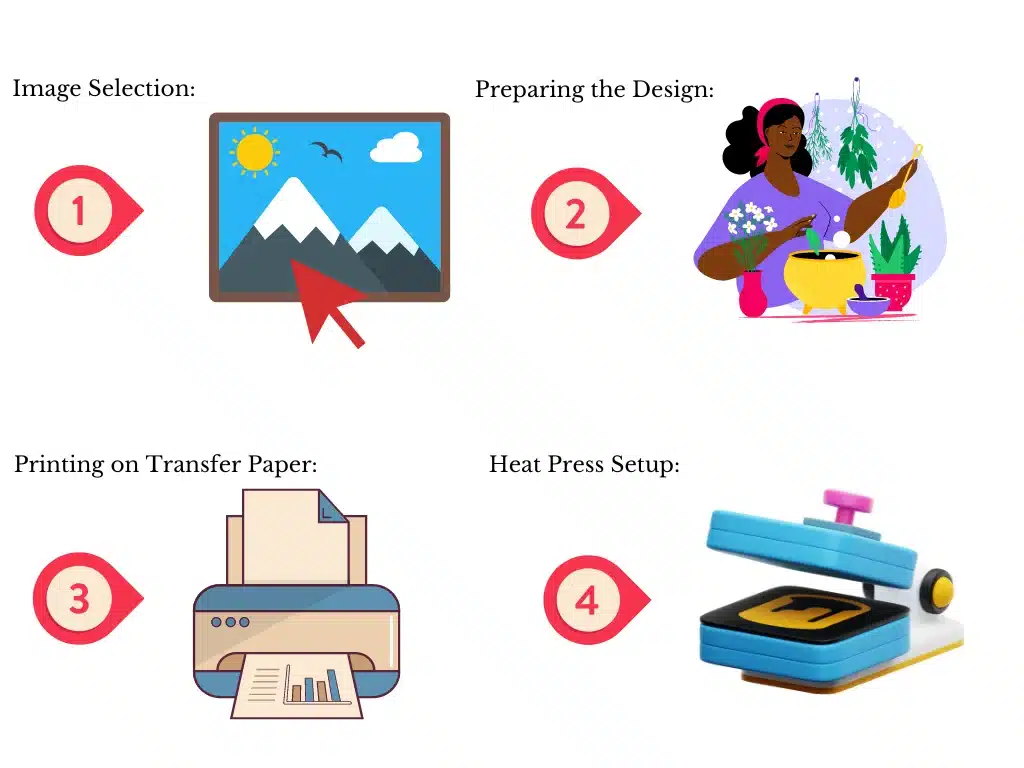
How to Make a Sublimation Shirt (Step-by-Step)
Making a sublimation shirt isn’t complicated once you know the order. The key is using the right materials and applying heat correctly so the design bonds with the fabric.
Step 1: Choose the Right Shirt
Start with a white or light-colored shirt made from 100% polyester or a high-poly blend. Sublimation ink bonds only with polyester fibers, so cotton alone won’t work.
Step 2: Prepare Your Design
Create or select a high-resolution image using your design software. Before printing, mirror the design, since sublimation transfers are applied face down.
Step 3: Print the Sublimation Transfer
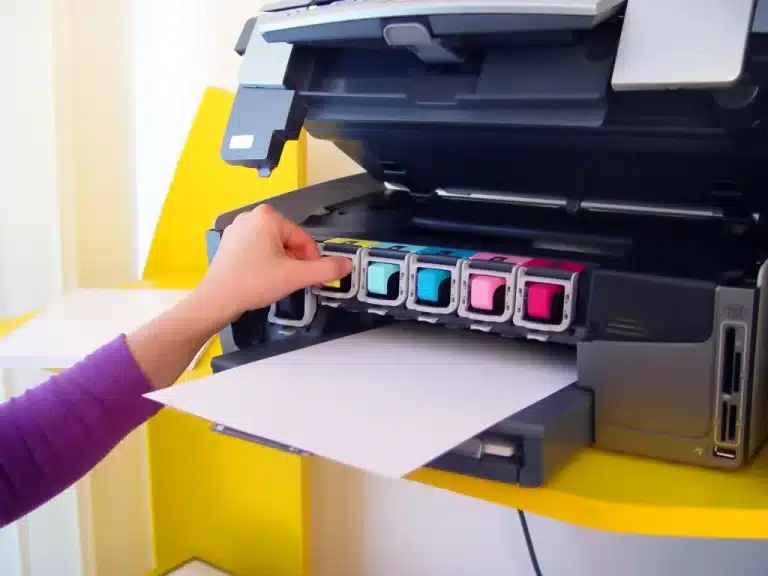
Load sublimation transfer paper into your sublimation printer and print the mirrored design using sublimation ink. Let the print dry for a few seconds before handling.
Step 4: Position the Transfer on the Shirt
Lay the shirt flat on the heat press. Place the printed transfer face down on the shirt and secure it with heat-resistant tape so it doesn’t move during pressing.
Step 5: Apply Heat and Pressure
Press the shirt using a heat press at the recommended sublimation settings. This is when the ink turns into gas and bonds permanently with the polyester fibers.
Step 6: Cool and Reveal the Design
After pressing, let the shirt cool slightly. Peel away the transfer paper to reveal a vibrant, permanent design that feels just like the fabric.
Why Sublimation Shirts Look Better Over Time
Most prints fade because ink sits on top of fabric. Sublimation flips that completely.
Key Advantages
- Fade-resistant, even after 50+ washes
- No cracking or peeling, ever
- All-over printing, edge to edge
- Breathable and lightweight, perfect for daily wear
That’s why sublimation is the go-to method for athletic jerseys, branded uniforms, and full-coverage designs.
Real-World Uses for Sublimation Shirts
You’ve probably worn one without realizing it.
- Sports jerseys and team apparel
- Event and festival shirts
- Custom brand merch
- Photo-realistic graphic tees
- Company uniforms that need to last
Brands prefer sublimation when durability matters more than short-term cost.
Comfort Is the Secret Bonus
A lot of people expect vibrant prints to feel heavy. Sublimation does the opposite.
- No ink layers trapping heat
- Fabric stays flexible
- Shirts move naturally with your body
That’s why sublimation shirts are popular for activewear and long workdays.
How to Care for Sublimation Shirts (So They Last Years)
Sublimation is low-maintenance, but a few habits help keep colors bold.
Washing
- Turn shirts inside out
- Use cold water
- Mild detergent only
- Skip bleach
Drying
- Air dry when possible
- Use low heat if machine drying
Ironing
- Rarely needed
- If you must, iron inside out on low heat
For print setup, color accuracy, and heat-related details, this resource is helpful: Sublimation Printer Settings
Is Sublimation Printing Eco-Friendly?
Compared to many traditional printing methods, yes.
- Uses water-based inks
- Produces minimal waste
- No excess ink runoff
- No plastisol chemicals
It’s one reason many print shops are shifting toward sublimation for apparel.
Why Sublimation Shirts Stand Out
Sublimation shirts aren’t just printed clothing. They’re wearable designs that don’t fade, crack, or lose comfort.
If you want:
- Long-lasting color
- Soft, breathable fabric
- Designs that feel natural
- Professional-grade durability
Sublimation shirts deliver where other printing methods fall short.
Common Myths About Sublimation Shirts
Myth: Sublimation works on any shirt
Truth: It needs polyester or a poly coating
Myth: The design will fade eventually
Truth: The color lifespan often matches the fabric itself
Myth: Sublimation feels plastic
Truth: There’s no texture at all
Frequently Asked Questions (FAQs)
Can I wear sublimation shirts every day?
Yes, they’re designed for frequent use and repeated washing.
Do sublimation shirts work for adults too?
Absolutely. They’re used heavily in adult sportswear and work apparel.
Can I make my own design?
Yes. Custom artwork, photos, and branding work perfectly.
Do sublimation shirts shrink?
Polyester resists shrinking better than cotton, especially with cold washes.
Are sublimation shirts good for businesses?
They’re one of the best options for long-term branded apparel.
For more reading about Sublimation Printing, or more about Buyer Guide.

4 Comments